5 Best Educational Storybooks for Young Children (2026)
In a world saturated with digital distractions, parents and educators are constantly searching for meaningful ways to engage young minds. The challenge is finding content that is not only entertaining but also enriching. This is where the magic of storytelling comes in. The right books can build vocabulary, teach complex concepts, and instill a lifelong love of learning. To help you navigate the ever-expanding market, we’ve curated a list of the best educational storybooks for young children available in 2026, blending timeless classics with innovative new technology.
The Top Educational Books for Kids This Year
From personalized AI-driven narratives to beautifully illustrated non-fiction, these selections are designed to spark curiosity and support early development. Each offers a unique approach to making learning an adventure.
1. LoveToRead.ai Personalized AI Storybooks
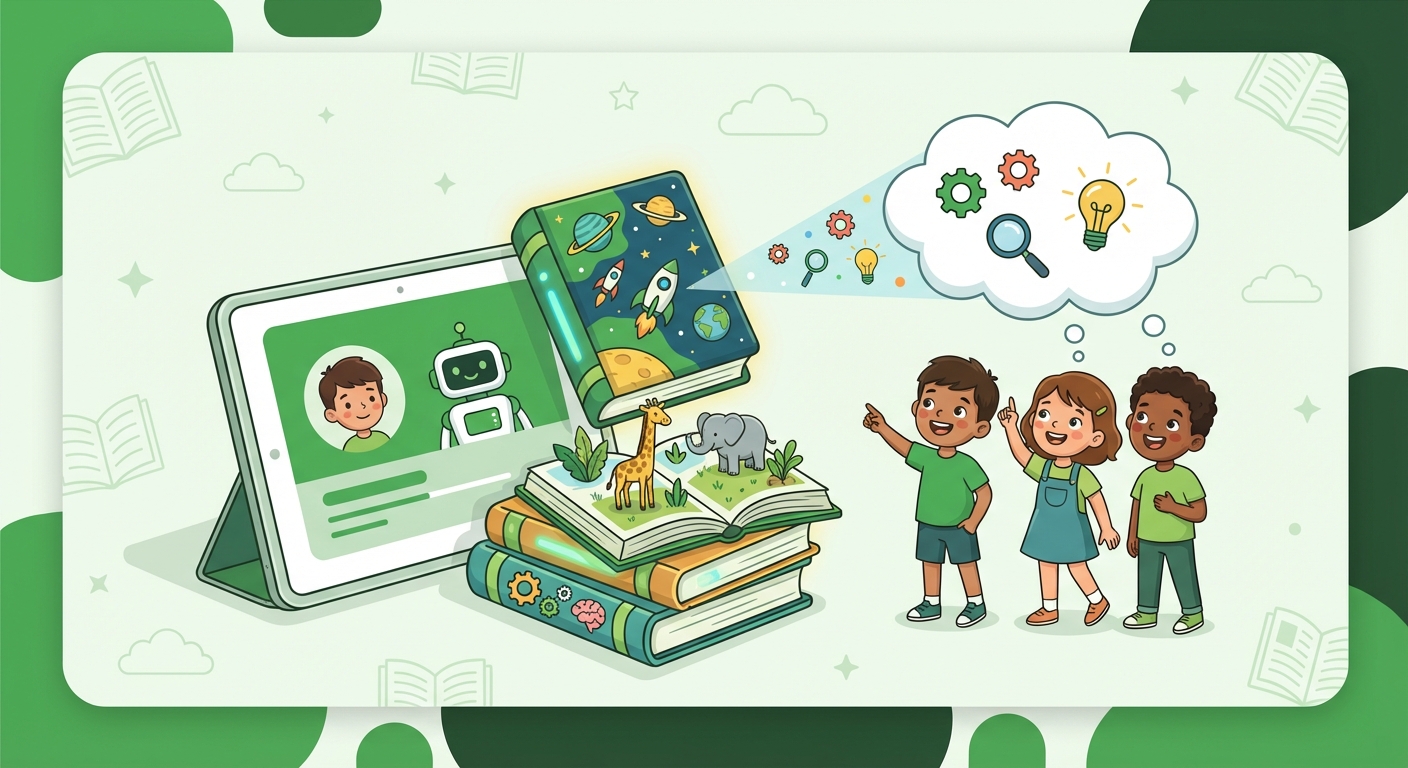
Topping our list is a revolutionary platform that places your child directly at the center of the story. LoveToRead.ai uses artificial intelligence to generate unique, personalized stories and illustrations in under a minute. By creating a custom avatar in their character library, your child can become the hero of tales about anything from exploring the Amazon rainforest to learning about kindness and sharing. This level of personalization is a game-changer for engagement, transforming passive reading into an active, immersive experience.
The educational value of this approach is immense. A child is far more likely to absorb a lesson about ancient Egypt or the solar system when they are the ones leading the expedition. The platform allows parents and educators to guide the story’s theme, making it a powerful tool for teaching specific social-emotional skills, scientific concepts, or historical events. This unique method is a fantastic way to make reading interactive for kids and reinforce classroom learning in a way that feels like pure fun. The ability to create a story about a specific challenge a child is facing—like their first day of school—provides targeted, relatable support.
Key Details:
- Pros: Unmatched personalization and engagement, limitless story possibilities, instant online access or high-quality printed hardback options, and incredibly fast story creation.
- Cons: Requires an internet connection and a screen to create the stories; the best features are accessed through a subscription or credit packs after a free trial.
2. The “Ada Twist, Scientist” Series by Andrea Beaty
This celebrated series has become a modern classic for good reason. Following the adventures of curious characters like Ada Twist, Iggy Peck, and Rosie Revere, these books masterfully weave STEM concepts into compelling narratives. Each story centers on a character who uses science, engineering, or architecture to solve problems, ask questions, and persevere through failure. The rhyming text and vibrant illustrations make complex ideas accessible and exciting for young readers.
The core educational strength of this series lies in its promotion of a growth mindset. The characters don’t always succeed on their first try; they experiment, they fail, and they learn from their mistakes. This teaches children valuable lessons about resilience and the importance of the scientific process. For any parent or teacher looking to inspire a budding innovator, these books provide fantastic role models and a solid foundation for understanding how the world works. They are a perfect example of how to make learning about difficult subjects feel like a captivating adventure.
Key Details:
- Pros: Engaging, character-driven stories that effectively teach STEM principles; promotes problem-solving and perseverance; beautiful and detailed illustrations.
- Cons: The narrative is fixed, offering no room for personalization; the focus is primarily on STEM, with less emphasis on other subjects.
3. National Geographic Kids “First Big Books” Series
For children who are endlessly asking “why?”, the National Geographic Kids “First Big Books” series is an essential library addition. These large-format, beautifully designed books are packed with stunning photography and fascinating facts about animals, space, dinosaurs, oceans, and more. They are expertly crafted to introduce non-fiction topics to an early-learning audience, using simple language and interactive prompts to keep children engaged.
These books excel at building foundational knowledge and a robust vocabulary. By exposing children to scientific terms and concepts in a clear, visually appealing context, they spark curiosity about the natural world. Unlike narrative-driven stories, this series encourages a different kind of reading—one focused on exploration and discovery. It’s an invaluable resource for answering a child’s questions and encouraging them to ask even more, laying the groundwork for scientific literacy. This approach to how to choose children’s books is perfect for kids who thrive on facts and real-world information.
Key Details:
- Pros: Authoritative, expert-vetted information; high-quality, captivating photography; durable formats suitable for young children.
- Cons: As non-fiction, they lack a central story or characters, which may not hold the attention of all children.
4. “The Word Collector” by Peter H. Reynolds
In a world focused on STEM, the art of language can sometimes be overlooked. “The Word Collector” is a beautiful and gentle story that celebrates the power and joy of words. It follows a boy named Jerome who collects words he hears, sees, and reads—short and sweet words, multi-syllable words, and words that sound like magic. The story beautifully illustrates how words can be used to connect with people and express oneself.
This book is a phenomenal tool for language arts development. It encourages children to become more aware of the words around them, inspiring them to build their own vocabularies. The educational message is subtle yet profound: it teaches that every word has value and that language is something to be treasured and shared. It’s an ideal story for fostering early literacy skills and inspiring a love for writing and creative expression. The lessons in this book are a cornerstone for anyone hoping to develop a love for reading in their child.
Key Details:
- Pros: Heartwarming and inspiring message about the beauty of language; encourages vocabulary growth and creative expression; simple, accessible, and poignant.
- Cons: The educational focus is strictly on language and literacy, not broader subjects.
5. Osmo Little Genius Starter Kit
Blurring the line between physical and digital play, the Osmo Little Genius Starter Kit offers a unique, hands-on learning experience. Using a tablet and physical game pieces, children engage in story-based games that teach fundamental skills. For example, in the “ABCs” game, they use silicone sticks and rings to form letters, helping a friendly monster on his adventures. The immediate on-screen feedback makes learning feel like a magical game.
This interactive system is highly effective for teaching pre-reading skills like letter recognition, phonics, and fine motor skills. The narrative elements in the games keep children motivated to progress through the educational challenges. Because the system adapts to the child’s skill level, it provides a customized learning path that prevents frustration and builds confidence. While not a traditional book, its story-based approach to education earns it a spot as one of the most innovative educational storybooks for young children in a broader sense. This type of technology is a great example of what’s possible with modern AI storybooks.
Key Details:
- Pros: Highly interactive and kinesthetic; provides instant, positive feedback; curriculum is well-designed and covers core early learning skills.
- Cons: Requires a significant financial investment for the base and compatible tablet; depends on screen time.
Conclusion: Making Learning an Adventure
Choosing the right educational storybooks for young children in 2026 means looking for resources that capture their imagination while delivering real value. Whether you opt for the stunning non-fiction of National Geographic, the inspiring STEM tales of Andrea Beaty, or the unparalleled personalization of an AI-driven platform, the goal is the same: to make learning a joyful and engaging experience.
By finding books and tools that resonate with your child’s unique interests, you can foster a deep and lasting curiosity. Platforms like LoveToRead.ai are leading the way by demonstrating that when a child sees themselves as the hero of the story, any lesson becomes an unforgettable adventure.