How Bedtime Stories Are Often Read for Magical Nights
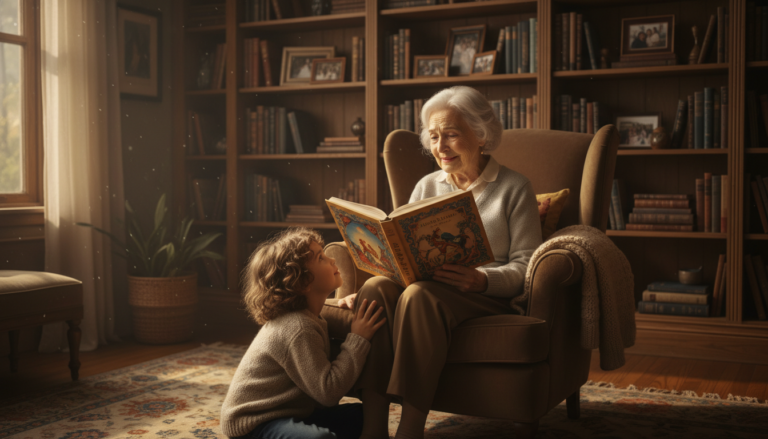
Bedtime stories are usually read in a calm, soothing voice. The setting is key—think a quiet, dimly lit room that signals it's time to wind down for sleep. This cherished ritual is built on gentle interaction, expressive tones, and a consistent routine that turns reading into a powerful bonding experience.
The Art of the Bedtime Story Ritual
Reading a bedtime story is so much more than just saying the words on a page. It's a carefully crafted experience that builds connection and sparks a child's imagination. This simple act is often one of the first ways kids discover that entire worlds can live inside a book.
When you read with intention, it becomes a reliable tool for calming a child's mind and body, getting them ready for a night of restful sleep.

This nightly practice is a true art form. It lays the groundwork for a lifelong love of reading by connecting books with feelings of safety, comfort, and your undivided attention. Everything from your tone of voice to snuggling up close plays a part in making it special.
But what if you could take this tradition even further? Imagine stories where your child is the star of their own adventure. At LoveToRead.ai, you can create personalized stories in seconds. Convert your real-life photos into characters and build a library of characters to reuse across a variety of different stories. With a wide range of art styles and consistent characters, every tale becomes a unique keepsake. You can even easily order any hardback copy, making storytime truly magical.
To help you master this ritual, here's a quick look at the core techniques that make storytime so effective.
Core Techniques for Reading Bedtime Stories
This table breaks down the essential methods for creating an engaging and calming bedtime story experience.
| Technique | Description | Primary Goal |
|---|---|---|
| Atmosphere | Creating a calm, cozy, and distraction-free environment. | Relaxation |
| Vocal Tone | Using a soft, expressive voice and varied pacing. | Engagement |
| Interaction | Asking questions and pointing to pictures. | Comprehension |
Think of these as your building blocks for turning any book into a memorable, soothing end to the day.
Creating the Perfect Storytime Sanctuary
Where you read a bedtime story is almost as important as the story itself. While snuggling in bed is a timeless classic, carving out a dedicated “storytime sanctuary” can work wonders. It acts as a powerful signal to your child’s brain, telling it, “Okay, the exciting part of the day is over. It’s time to get calm and cozy.”
This special corner quickly becomes a predictable, secure space—one they associate with comfort, connection, and winding down. This consistency is the secret sauce. It builds a happy anticipation for storytime, turning it into a cherished part of the day instead of just one more chore on the bedtime checklist. It doesn't need to be fancy; it just needs to feel good.

Setting the Scene for Sleep
To really nail the atmosphere, your main goal is to dial down the stimulation. This is all about creating a peaceful bubble where the story can be the star of the show. That means shutting off bright overhead lights, silencing phone notifications, and tucking away any distracting toys or screens.
Think about adding a few simple, but powerful, touches:
- Soft Lighting: A small, warm lamp is perfect. Even a string of fairy lights can cast a gentle glow that’s much more relaxing than a harsh ceiling fixture.
- Comfortable Seating: Comfort is everything. Whether it’s a plush armchair big enough for two, a soft rug, or just a big pile of floor cushions, make it a place you both want to sink into.
- Minimal Distractions: Keep the space tidy and clear of anything that blinks, beeps, or buzzes. This helps your child tune into your voice and get lost in the story.
The psychology here is simple but effective: a consistent, calm setting lowers mental clutter and eases anxiety. This makes a child much more receptive to the story and, eventually, to sleep itself.
The right sanctuary makes your child feel safe and relaxed before you even crack open the book. It’s what transforms bedtime reading from a routine task into a treasured ritual.
Want to make that ritual even more special? With LoveToRead.ai, you can create personalized stories in seconds. Convert your real-life photos into characters and build a library of characters to reuse across a variety of different stories. With a full set of art styles and dependable character consistency, you can make your child the hero of their own adventure.
Bringing Stories to Life with Your Voice
Once you’ve created that cozy little reading nook, your voice becomes the most important instrument in your storytelling orchestra. The magic of a great bedtime story isn't just in the words on the page; it's how you bring them to life. Think of your voice as a paintbrush—with a little color and variety, you can paint a vivid world that captivates your child's imagination.
The foundation is a gentle, soothing tone. This isn't just about being quiet; it's about creating a consistent, rhythmic sound that signals it's time to wind down. When you're describing a quiet forest or a field of sleeping sheep, letting your voice soften into a gentle cadence helps ease your little one toward sleep.

Mastering Pacing and Character Voices
While a calm base tone is key, the real fun begins when you start playing with your voice. Giving each character a unique sound—even if it's just a slight change in pitch—helps your child follow along and picture who's talking. A deep, rumbly voice for a friendly bear or a high-pitched squeak for a tiny mouse can make the story feel so much more real.
Pacing is your other secret weapon for building atmosphere. You can completely shift the energy of a scene just by changing how fast you read.
- Slow Down for Suspense: Is the main character sneaking past a grumpy troll? Draw out your words, speak in a hushed whisper, and watch your child hang on every syllable.
- Pause for Impact: Right before a big surprise, take a beat. That little moment of silence builds anticipation and makes the reveal that much more exciting.
- Speed Up for Action: When the chase is on, let your reading speed pick up to match the story's frantic energy.
This kind of vocal variety is more than just entertainment. It’s a powerful tool for teaching kids about emotion. They learn to connect a fast, excited voice with joy or a slow, low voice with sadness, which builds their emotional intelligence one story at a time.
And don't worry, you don't need to be a professional voice actor to pull this off. It’s the effort and love behind it that truly matter. If you want to take that connection a step further, imagine making your child the hero of their very own tale. With tools like LoveToRead.ai, you can instantly generate personalized stories, converting real-life photos of your family into custom storybook characters. Hearing a story about their own adventure, read in your voice, is an experience they’ll never forget.
Reading With Them, Not Just To Them
The real magic of storytime isn’t just in the tale itself—it’s in the shared experience. While a calm voice and a comfy spot are a great start, the secret to unlocking a lifelong love of reading is turning it from a one-way street into a lively conversation.
This technique is often called dialogic reading, which is really just a fancy way of saying you’re making it interactive. Instead of your child just listening, they become an active participant. Think of it as the difference between watching a movie and actually being in the play.
And getting kids genuinely excited about books is more critical than ever. A recent survey showed that in 2025, only 32.7% of young people said they actually enjoyed reading in their free time. That’s a steep drop from 2005. You can read the full research about declining reading enjoyment from the National Literacy Trust for more details. Making storytime a shared adventure is one of the best ways we can help turn that statistic around.
Turning Pages into Conversations
So, how do you do it? It’s a lot more natural than it might sound. The idea is to ask open-ended questions that get your child thinking, guessing, and connecting with what’s happening on the page.
You can weave in simple questions as you go, using the pictures and the plot as your guide:
- Prediction: "Oh wow, what do you think the little dragon is going to do next?"
- Observation: "I see a silly monkey! Can you find him hiding in that tree?"
- Connection: "That bear looks a little sad. Do you ever feel sad like that?"
This back-and-forth does more than just hold their attention. It's actively building their vocabulary, strengthening their understanding of stories, and teaching them how to think critically, one page at a time.
This approach is powerful on its own, but what if the story was truly about them? Imagine reading a book where your child is the hero of the adventure. Tools like LoveToRead.ai can create personalized books in seconds, converting your real-life photos into illustrations. When the story is about their own life and experiences, every question you ask lands with so much more impact, making the experience—and the learning—deeply personal.
The Modern Squeeze on Bedtime Stories
Let's be honest: in the whirlwind of modern family life, the simple, quiet act of reading a bedtime story can feel like a luxury. Juggling demanding jobs, after-school clubs, and the constant pull of screens often leaves parents exhausted. Finding that peaceful pocket of time to connect over a book can feel like one more thing on an endless to-do list. When the evening is genuinely short, a handful of short bedtime stories keeps the ritual intact without stretching lights-out.
This isn't just a feeling—it's a real shift happening in homes everywhere. The relentless pace of our lives is directly at odds with the calm and focus that this cherished tradition requires, making it tough to stay consistent.
Are We Reading Less to Our Kids?
The numbers tell a pretty clear story. Over the past decade, the frequency of parents reading to their little ones has taken a noticeable dive.
A revealing study from HarperCollins UK and Farshore found that by the early 2020s, only 41% of parents with children aged 0-4 were reading to them regularly. That's a sharp drop from 64% back in 2012, showing how a once-nightly ritual is slowly fading for many. You can explore more on why family reading habits are changing and see what's behind the trend.
This isn't about pointing fingers. It's about acknowledging the genuine struggle so many of us face. We're all trying to hold onto a tradition we know is priceless for bonding and brain development, but it's getting harder.
What we risk losing are those irreplaceable moments of connection and imagination. But understanding these challenges is the first step toward finding new ways to keep this vital practice alive and well for our kids.
Sometimes, the trick is to make the story so irresistible it easily wins out over other distractions. At LoveToRead.ai, we help you create that kind of magic. Imagine whipping up personalized stories in seconds where your child is the hero, brought to life with illustrations based on your own photos. You can create a library of characters to reuse across a variety of different stories, choose from a wide range of art styles with strong character consistency, and easily order beautiful hardback copies of your one-of-a-kind adventures.
Make Your Child the Hero of Their Own Story
What if you could turn storytime from just another routine into the most exciting part of your child's day? There's a wonderfully simple way to do this: put them right in the middle of the action. Personalized stories completely change the game, shifting your child from a passive listener to the star of the show.
It's a powerful shift in perspective. Suddenly, the story isn't just about some far-off character—it's about them.

Think about it: a brand-new story, created in moments, where your child, their beloved teddy bear, and even Grandma are the main characters on an adventure. This beautiful blend of modern magic and timeless tradition makes reading feel less like a task and more like a treat.
Personalization does the heavy lifting for engagement. When children see themselves as the hero, their connection to the story deepens, boosting both their interest and comprehension.
New tools are making this easier than ever, breathing fresh life into this cherished ritual. You can transform real photos into storybook illustrations and create a whole library of familiar characters to bring along on countless new journeys. With gorgeous art and the ability to reuse characters, every story feels consistent and special—a genuine keepsake in the making.
Ready to see your child’s eyes light up? You can create personalized stories in seconds with LoveToRead.ai and even order beautifully printed hardback copies of your family's unique tales.
Common Questions About Reading at Bedtime
Even the most seasoned parents run into a few hurdles with storytime. Let's walk through some of the most common questions that pop up and find some practical ways to keep your nightly reading ritual a joy for everyone.
What Is the Best Age to Start Reading Bedtime Stories?
Honestly, you can start from the very first day. For newborns, it's not about the plot; it's about the sound and rhythm of your voice. That gentle cadence is calming and starts building a powerful bond between you, your baby, and the idea of books.
As they grow, you can graduate from simple, high-contrast board books to short, colorful stories. Starting early like this lays the groundwork for a genuine, lifelong love of reading.
How Long Should a Bedtime Story Session Last?
The sweet spot is usually around 10 to 20 minutes. But here's the secret: consistency beats duration every single time. A short, cozy, and focused story is infinitely better than a long, rushed one that leaves everyone feeling frazzled.
Pay attention to your child's signals. If they’re completely captivated, by all means, read another chapter! If you see their eyelids getting heavy, that's your cue to wind down and tuck them in.
What if My Child Resists Storytime?
First things first, don't let it become a power struggle. Instead, try to figure out what's going on. Are they just too tired tonight? Is this particular book not grabbing their attention? A simple fix is to offer a choice between two or three books, which gives them a sense of control.
You can also try interactive stories or ones where they get to be the main character—that often works well for a reluctant listener. If the resistance is really about the books themselves rather than the routine, our guide to books for reluctant readers covers how to find ones they will actually finish. The goal is to keep the routine consistent but flexible, making it feel like a special treat, not just another task to check off the list.
At LoveToRead.AI, we’re all about helping you create that storytime magic. Our tool lets you create personalized stories in seconds. You can convert your real-life photos into characters and create a library of characters to reuse across a variety of different stories. We have a deep range of art styles and consistent characters. You can even easily order any hardback copy of your masterpiece. See for yourself how easy it is to make your child the hero of their own story.