How to Create a Personalized Storybook Online: A Guide
How to Create a Personalized Storybook Online: A Step-by-Step Guide for Parents
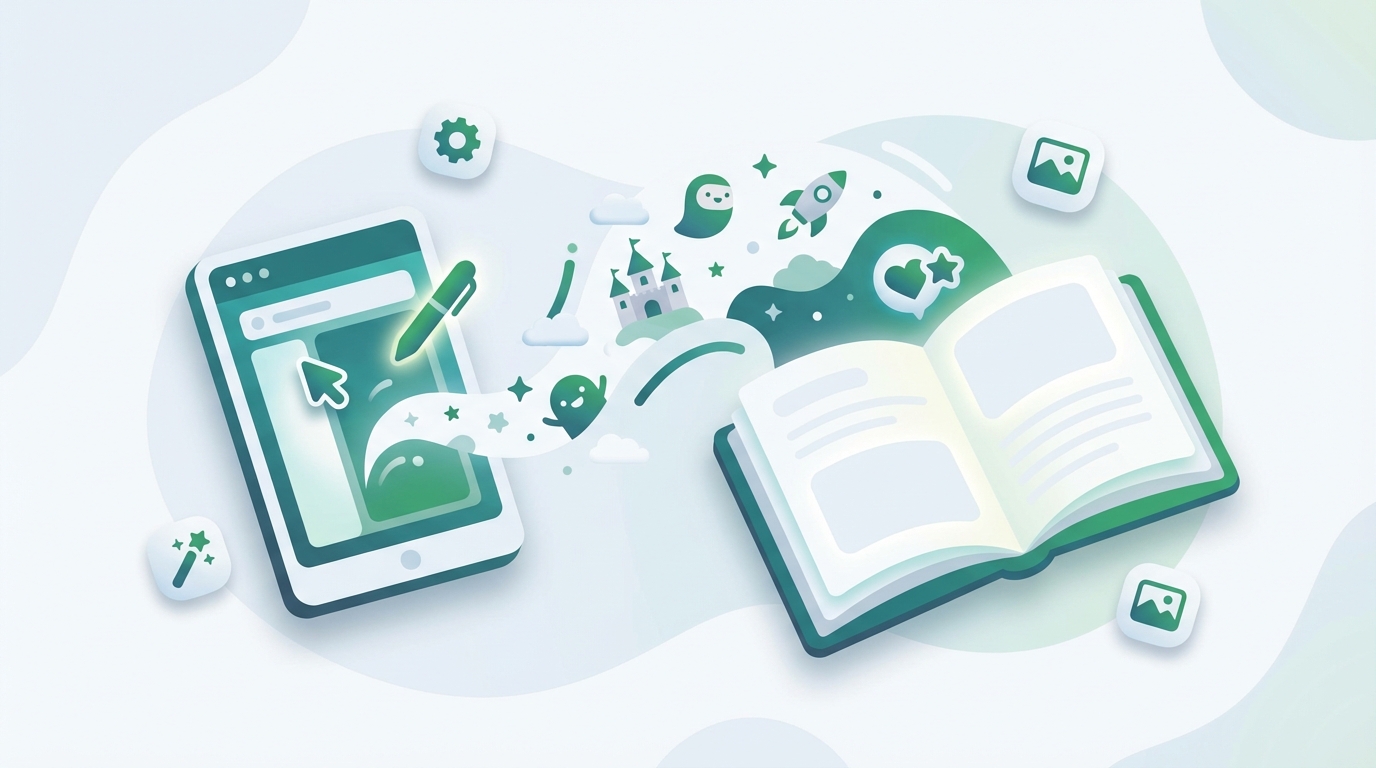
Imagine the look of pure joy on your child’s face as they read a story where they are the brave hero, the clever detective, or the magical adventurer. Personalized storybooks transform reading from a passive activity into an immersive experience, boosting confidence and fostering a deep love for literature. Thanks to modern technology, you no longer need to be a professional writer or illustrator to make this magic happen. This guide will walk you through how to create a personalized storybook online, turning a simple afternoon activity into a cherished keepsake.
Why Personalized Storybooks Are a Game-Changer for Young Readers
Before we get to the ‘how,’ let’s explore the ‘why.’ Custom stories centered around your child offer powerful developmental benefits:
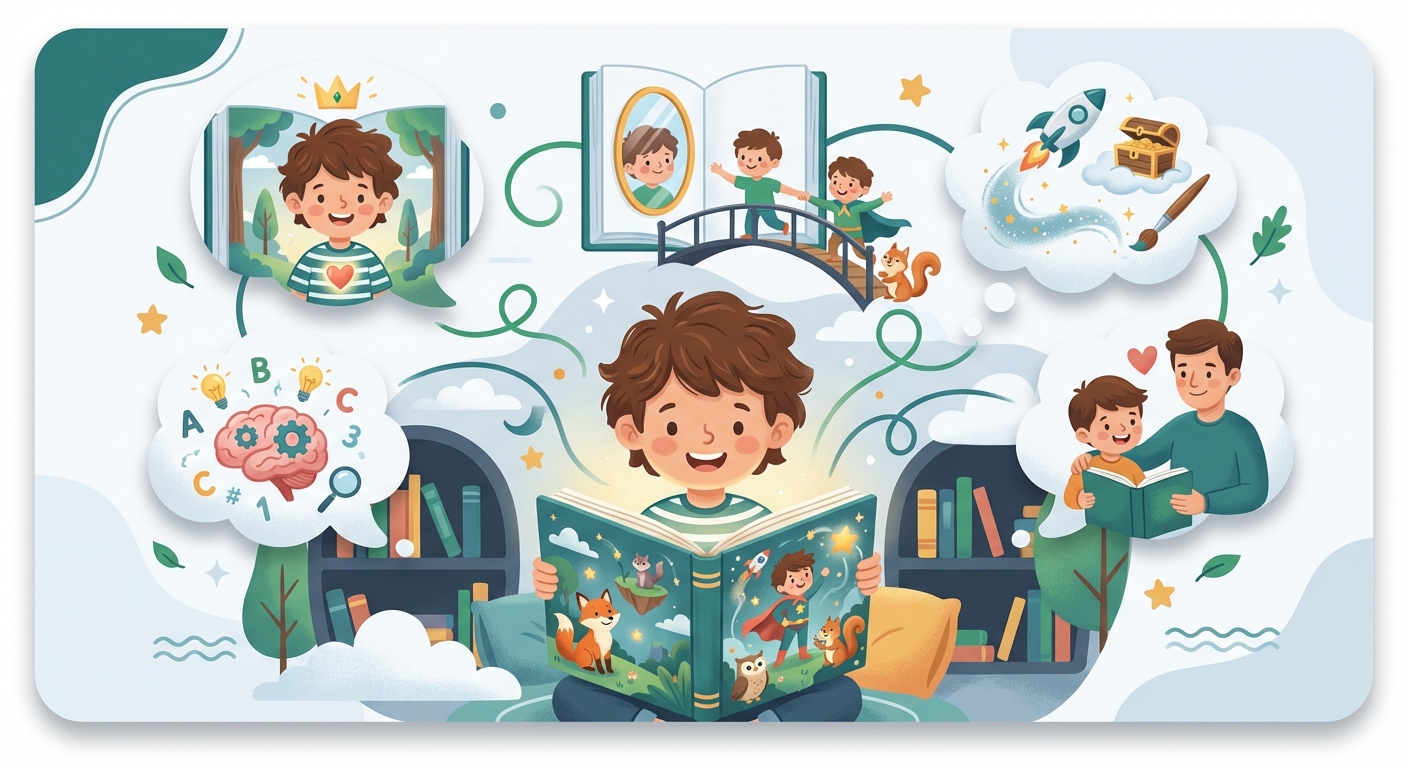
- Increased Engagement: When children see themselves and their world reflected in a story, their attention and interest skyrocket.
- Improved Literacy Skills: This heightened engagement encourages them to read more often, which naturally improves vocabulary, comprehension, and fluency.
- Boosted Self-Esteem: Seeing themselves as the hero of a story can be empowering, reinforcing positive traits like courage, kindness, and problem-solving.
- Creates Lasting Memories: A personalized book is more than just a story; it’s a tangible memory of your child’s interests and imagination at a specific age.
Your Step-by-Step Guide to Making a Custom Storybook
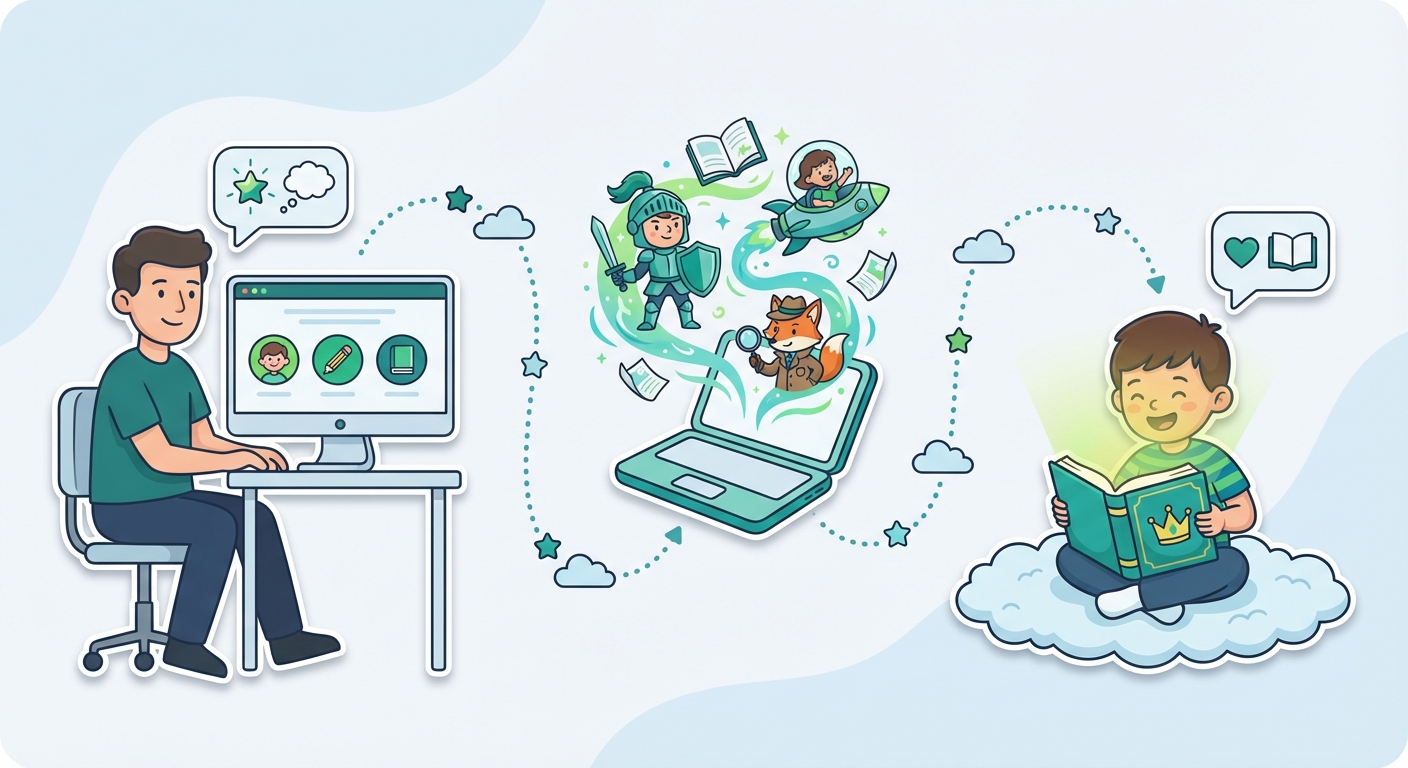
Creating a unique book for your child is a rewarding process. Follow these steps to craft a story they’ll want to read again and again.
Step 1: Choose the Right Platform
The first and most crucial step in learning how to create a personalized storybook online is selecting the right tool for the job. Not all platforms are created equal. Consider the following factors: If you would rather see the options side by side first, the roundup of personalized storybook platforms compares them on price, art style and turnaround.
- Ease of Use: Look for an intuitive interface that doesn’t require technical skills. The process should be fun, not frustrating.
- Customization Options: How much can you personalize? Can you change the character’s name, appearance, and even include friends or pets?
- Illustration Quality: The art sets the tone for the book. Look for high-quality, engaging, and age-appropriate illustration styles.
- Story Generation: Some sites use simple templates where you just fill in names. More advanced platforms, like LoveToRead.ai, use AI to generate entirely unique stories and illustrations based on your prompts, offering a truly one-of-a-kind result in just seconds.
Step 2: Develop Your Main Character
This is where the personalization truly begins. You’ll be creating a digital avatar of your child to star in the story. You’ll typically be able to customize:
- Name: The most basic and essential element.
- Appearance: Adjust features like hair color, eye color, and skin tone to match your child.
- Photo Uploads: Some platforms allow you to upload a photo of your child, which AI can use as a reference to create a character that looks just like them.
Pro-Tip: Involve your child in this step! Letting them design their own character builds excitement and makes them feel even more connected to the story.
Step 3: Select a Story Theme or Genre
What does your child love most? Whether it’s soaring through space, exploring an enchanted forest, or befriending dinosaurs, choosing a theme that aligns with their passions is key. Most platforms offer a library of themes to choose from, such as: Stuck for a theme? There are practical ways to spark a child's imagination before you ever open the story builder.
- Adventure and Exploration
- Fantasy and Magic
- Mystery and Problem-Solving
- Everyday Life and Friendship
Think about what you want the story to achieve. Is it a fun, silly tale for laughs, or does it contain a gentle lesson about sharing or being brave?
Step 4: Generate and Refine the Narrative
Once your character and theme are set, it’s time to create the story. With an AI-powered platform, you might provide a simple prompt, like, “A story about Leo and his magical puppy who discover a secret garden in their backyard.” The AI then weaves a complete narrative based on your input.
After the initial story is generated, read through it carefully. Most services allow you to edit the text. You can tweak sentences, add inside jokes, or change parts of the plot to better suit your child. The goal is to make the story feel as personal and special as possible.
Step 5: Customize the Illustrations
As the story comes to life, so do the visuals. The platform will generate illustrations for each page, featuring the custom character you designed in Step 2. Pay attention to how your character looks throughout the book. A good platform will maintain consistency in the character’s appearance and the overall art style from page to page.
Warning: Be wary of services with limited or clunky art styles. The illustrations are half the experience for a young child, so make sure they are vibrant and engaging.
Step 6: Review and Finalize Your Book
Before you hit ‘publish’ or ‘order,’ do one final, thorough review. A fresh pair of eyes can be helpful here. Read the entire book aloud to catch any awkward phrasing or typos that your eyes might have skimmed over. Check for:
- Spelling and grammar errors.
- Consistent use of names and character details.
- Illustrations that accurately reflect the text on the page.
Step 7: Choose Your Format (Digital or Print)
You’ve created a masterpiece! Now, how will you share it? Most online services offer two primary options:
- Digital Version: An e-book that can be read instantly on a tablet, computer, or smartphone. This is a great option for immediate gratification and on-the-go reading.
- Printed Hardback: A professionally printed and bound book delivered to your door. There’s something truly special about a physical book that a child can hold, display on their shelf, and treasure for years to come.
Common Mistakes to Avoid When Creating a Storybook
To ensure the best possible outcome, steer clear of these common pitfalls:
- Overcomplicating the Plot: Young children thrive on clear, simple narratives. A story with too many characters or complex plot twists can be confusing.
- Ignoring Your Child’s Input: The book is for them. Failing to incorporate their favorite things, from their pet’s name to their love of the color blue, is a missed opportunity for deep personalization.
- Skipping the Proofreading Step: Small errors can disrupt the magic of the story. A careful final read-through is essential.
- Choosing a Low-Quality Platform: A clunky interface or poor-quality illustrations can turn a fun project into a chore. Invest your time in a platform that delivers professional results.
The Magical Outcome: A Book Your Child Will Cherish
By following these steps, you’ll create more than just a book. You’ll create an experience—a story that tells your child they are important, capable, and the hero of their own adventure. The final result is a powerful tool for building confidence and a cherished keepsake that captures a moment of their childhood.
Watching your child’s eyes light up as they read their very own story is an unforgettable reward. Ready to turn your child into the star of their own adventure? Platforms designed for this purpose, like LoveToRead.ai, make the process of creating a personalized storybook online seamless and fun, helping you craft a cherished keepsake in minutes.