8 Fresh stories for elementary readers in 2026
Finding the right stories for elementary students is like giving them a key to new worlds. A great book can spark imagination. It can build empathy. It can also grow a love of reading for life.
Yet the choices can feel endless. That can overwhelm parents and teachers. This guide makes the search easier. It also helps you build a strong, fun library.
We will cover eight key types of stories. They range from classic fairy tales to modern graphic novels. You will get clear tips for choosing books for K-5 readers.
You will learn how to pick stories that build reading skills. You will also learn how to spark curiosity. These ideas help you choose books that truly connect.
Sometimes, a ready-made story won't fit. You can make a custom story in seconds. You can even turn real photos into repeat characters. This helps you match your child's interests or your lesson plan.
1. Classic Fairy Tales and Folktales: The Foundation of Storytelling
Classic fairy tales and folktales form the base of children's books. They teach story shape, common character types, and simple lessons. They have hooked kids for centuries.
Stories like The Three Little Pigs and Cinderella began as oral tales. Writers like the Brothers Grimm and Hans Christian Andersen helped share them. These stories introduce big ideas in gentle ways.
They teach grit, kindness, and the results of choices. They also give kids a shared set of stories. That shared base helps later reading and talk.
These timeless tales are key stories for elementary students. They show a clear start, middle, and end. They also have clear heroes and villains.
They include a main problem and a clear fix. The clear pattern helps kids learn story parts. It also supports early reading skills.
Kids can retell events in order. They can also guess what may happen next. Familiar plots make this work easier.
Making Classics Relevant Today
These tales still matter today. You can also adjust how you use them. Here are ways to bring them into today's class or home:
- Compare and Contrast: Read two versions of one tale. Start with a classic Little Red Riding Hood. Then read a new retelling or a tale from another place. This builds thinking skills and respect for other cultures.
- Discuss Character Motivation: Go past "good vs. bad." Ask kids why the wolf tricks the pigs. Ask why the step-sisters feel jealous. This builds empathy and close reading.
- Encourage Alternate Endings: Ask students to change the ending. What if Goldilocks said sorry and fixed the chair? This builds creativity and lets kids own the story.
Key Insight: Updating fairy tales does not mean replacing them. Use them to start rich talks and creative work. Link old themes to today's values.
You can also add a personal twist. You can cast your child as the hero. Platforms like Love to Read can turn family photos into story characters.
You can build a set of personal tales. Your child could outsmart the giant in Jack and the Beanstalk. They could also find the glass slipper. This makes the story feel like theirs.
2. Chapter Books for Independent Readers
Chapter books help kids move past picture books. They build stamina and stronger understanding. Short chapters make long stories feel doable.
Kids can follow longer plots without stress. They also learn to stick with a story. This is a big step in reading growth.
Books like Charlotte's Web by E.B. White still work well. Newer books like The One and Only Ivan by Katherine Applegate also shine. They offer deep feelings and steady plot growth.
These are great stories for elementary students who want more depth. They build word knowledge over time. They also show richer character change.
Readers must track events across many pages. Many chapter books add a few pictures for support. That mix helps kids feel sure as they read.
These books help kids enjoy longer reading. They also set the stage for a lifetime of books.
Making Chapter Books Accessible and Engaging
Longer books can scare new readers. Good support can turn fear into fun. Here are ways to help:
- Read the First Chapter Aloud: Start the story with energy. This sets the scene and builds interest. Kids then want to read on alone.
- Establish Book Clubs: Put kids in small groups with one book. Try The Baby-Sitters Club or Percy Jackson. Group talks build understanding and build community.
- Connect Themes to Real Life: Link the story to their lives. Talk about friendship in Because of Winn-Dixie. Ask how it matches their own friends. This makes the story stick.
Key Insight: Chapter books do more than fill time. They build stamina and strong thinking. They also teach kids to follow a full story arc.
You can also make chapter reading feel personal. You can create custom stories with your child as the lead. A platform like Love to Read can turn family photos into repeat characters.
You can build new chapters fast. Your child might join a magic quest. They might also solve a local mystery. Each new chapter can grow their confidence.
3. Graphic Novels and Comics: Visual Storytelling Power
Graphic novels and comics mix story and art. They can pull in many readers fast. They are not just simple picture books.
Books like Dog Man by Dav Pilkey engage many kids. Raina Telgemeier's Smile also tells rich stories. These books can hook kids who avoid other books.
This format builds a special kind of reading skill. Kids read words and pictures together. They also read faces, panels, and color cues.
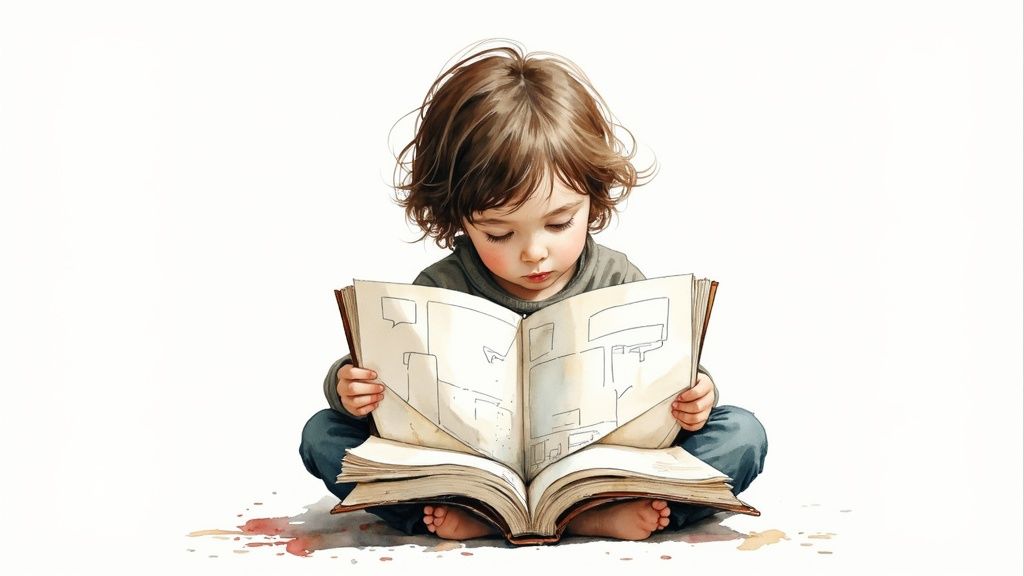
These visual stories for elementary children can make hard ideas feel clear. They show emotions in a direct way. They can also make complex plots easier to follow.
Kazu Kibuishi's Amulet builds a rich fantasy world. Comics like Ms. Marvel explore identity and courage. The art helps kids enter dense stories with less stress.
This lowers the bar to start reading. It can also raise confidence and stamina. Many kids then try longer texts.
Making Graphic Novels a Literacy Tool
Graphic novels can do more than fill free time. Use them with clear tasks. Here are ways to use their strengths:
- Analyze Visual Language: Teach kids to read the art. Ask how panel size changes speed. Ask how color changes mood. This builds visual reading skills for a media-heavy world.
- Bridge to Traditional Text: Start with a graphic version of a classic. Then move to the full prose book. The art gives a clear base for the harder text.
- Create Your Own Comics: Ask kids to retell a story in three panels. They can also share a real event from their life. This teaches beginning, middle, and end. It also builds voice and joy in writing.
Key Insight: Graphic novels do not replace other books. They stand on their own as a real form of literature. They build strong and useful reading skills.
You can also make visual stories personal. You can place your child in a comic-style tale. Tools like Love to Read can turn family photos into characters.
You can pick from many art styles. Your child could become a hero. They could also become a fantasy explorer. That makes reading feel close and exciting.
4. Fantasy and Adventure Series: Building Worlds and Lifelong Readers
Fantasy and adventure series can turn kids into steady readers. Series invite them into big worlds. They often include magic, quests, and deep lore.
Rick Riordan's Percy Jackson and the Olympians is a strong example. Tui T. Sutherland's Wings of Fire is another. Kids keep reading because the world continues.
The series style builds long-term interest. Reading becomes a journey, not a one-off task. Kids start to look forward to the next book.
These are standout stories for elementary students because they build stamina. They also build strong bonds with characters. That bond pushes kids to keep reading.
As kids follow big challenges, they care more. They read more and learn more. Their word knowledge and story skills grow along the way.
Cultivating a Series Mindset
A long series needs a plan. It also benefits from talk and play. Here are ways to support the full ride:
- Create a Reading Roadmap: Start with book one. Kids need the first setup and rules of the world. Make a simple schedule or challenge. Mark key points and celebrate progress.
- Discuss Predictions and Theories: Ask what may happen next. Ask why a character chose a path. This builds strong thinking and keeps interest high between books.
- Connect Worlds to Reality: Use the story as a teaching tool. Study Greek myths with Percy Jackson. Talk about rules and power in Wings of Fire. This links fiction to real learning.
Key Insight: A series is more than many books. It invites kids into a world that stays alive. Kids grow most when they stay in that world in their minds.
You can also make the quest feel personal. You can put your child in the center of the story. Platforms like Love to Read can turn family photos into story characters.
You can build a set of custom adventures. Your child might train dragons. They might also find a hidden magic land. This makes them the hero of their own reading path.
5. Realistic Fiction and Contemporary Stories: Seeing Themselves in Print
Realistic fiction acts like a mirror for kids. It shows life in a world they know. It also tackles real parts of childhood.
The Ramona books by Beverly Cleary are a strong example. Wonder by R.J. Palacio is another. These books reflect friendships, fears, and daily problems.
Kids see their feelings on the page. That can help them feel seen. It can also help them handle tough social moments.
These modern tales are vital stories for elementary students. They build empathy and connection. Kids learn they are not alone.
A character may face a friend fight. They may also feel different. Seeing that on the page can calm worry. It also opens safe talk about hard topics.
Making Contemporary Stories Meaningful
Realistic fiction works best when you link it to real life. Help kids connect the story to their own world. Here are ways to do that:
- Connect to Personal Experiences: Ask direct questions after a chapter. Ask, "Have you felt misunderstood like Ramona?" Ask, "How would you help a new student like Auggie?" This makes the story feel real.
- Catalyze Social-Emotional Discussions: Use key scenes to talk about feelings. Discuss empathy, problem-solving, and friendship. Ivy and Bean works well for this. It shows how friends can differ and still work together.
- Encourage Journaling: Ask kids to write as the character. Or ask them to write about a similar moment. This builds self-thought and writing skill.
Key Insight: Realistic fiction links books to real life. It gives kids a safe place to test big feelings. It also helps them handle social stress with support.
You can also make the link even tighter. You can place your child in a modern story. With a platform like Love to Read, you can upload family photos.
Those photos become story characters. Your child might face a first day at a new school. They might also solve a block mystery. They become the hero in a story that feels close to home.
6. Multicultural and Diverse Stories: Windows, Mirrors, and Doors
Multicultural and diverse stories help build an inclusive class. They also grow empathy. Dr. Rudine Sims Bishop calls them "windows, mirrors, and doors."
These books let kids see themselves in stories. That is a mirror. They also let kids learn about others. That is a window.
They also let kids step into new worlds. That is a door. Books like Last Stop on Market Street and The Name Jar do this well.
Festival stories work the same way, and they land hardest when a real date is attached to them. Our simple retellings of the Diwali stories for kids are written to be read aloud in the weeks before the festival, whether or not your family celebrates it.
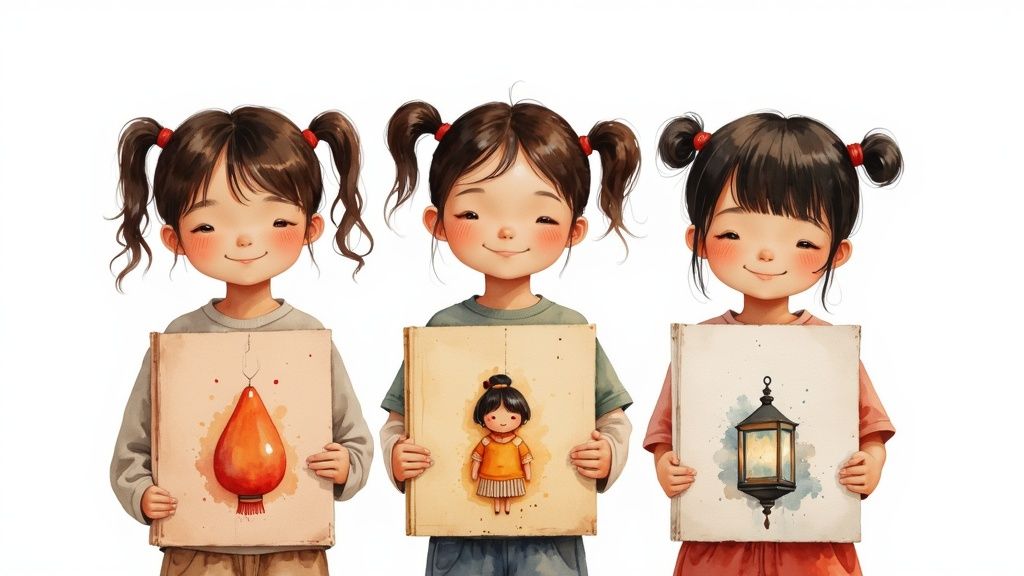
These stories are strong stories for elementary students because they make difference feel normal. They help every child feel they belong. They also build respect for others.
Books like Hair Love by Matthew A. Cherry can affirm identity. Mufaro's Beautiful Daughters can expand cultural view. Kids learn that love and hope show up everywhere.
Customs and looks may differ. Yet core feelings stay the same. This builds a base of curiosity and care.
Bringing Diverse Voices to the Forefront
These stories work best with care and purpose. Choose books that show truth and respect. Here are ways to build a strong list:
- Seek "Own Voices" Authors: Pick books by authors from the group in the book. This can improve accuracy and depth. It also supports creators sharing their own lives.
- Go Beyond a Single Story: Do not use one book to stand for a whole culture. Pick many books from that group. Show the range within the culture. This helps avoid flat views.
- Use Stories as a Springboard: Read The Sandwich Swap and talk about food at home. Ask kids about family meals and meaning. Link the talk to identity and community.
Key Insight: Diverse books are not only about being seen. They help raise kinder, world-ready kids. They teach empathy for a shared world.
You can also make this idea personal. You can place your child in a story about culture and family. With a platform like Love to Read, you can use your family's photos.
Your child can star in stories that honor their own roots. They can also explore new ones. They might share a family tradition with a new friend. That can build pride and build bridges.
7. Animal-Centered Stories: Exploring Humanity Through a Different Lens
Animal stories often give animals human traits. This helps kids explore big themes with ease. Kids can face hard topics with a bit of space.
Charlotte's Web is a key example. The Tale of Despereaux is another. These stories show friendship, bravery, and loss.
Animal leads can feel safe to kids. Kids can think about hard feelings without feeling exposed. That distance can help them talk more freely.
These are great stories for elementary students for this reason. A pig like Babe can challenge what others expect. A mouse like Despereaux can act with courage.
These plots help you talk about kindness and roles. They also help kids value being different. Big human ideas become clear and easy to recall.
Making Animal Stories Meaningful
These stories shine on their own. With guidance, they can teach even more. Here are ways to deepen the read:
- Discuss Anthropomorphism: Name what the author is doing. Ask, "What feeling does Wilbur show?" Ask how a group acts like people. This helps kids spot story tools.
- Bridge to Reality: Pair the story with real animal facts. Study the animal's home, food, and habits. This keeps wonder while adding science.
- Explore Ethical Questions: Many of these stories raise care issues. Talk about how people treat animals. Discuss duty and kindness. These talks can build values.
Key Insight: Animal stories are not just cute tales. They often act as lessons about people. They build empathy and strong thinking through safe distance.
You can also make an animal story feel personal. You can place your child in their own animal tale. Services like Love to Read can turn family photos into repeat characters.
Your child could be a brave rabbit on a long trip. They could also be a clever spider saving a friend. That can make reading feel lasting and special.
8. Interactive and Choose-Your-Own-Adventure Stories: Empowering the Reader
Interactive stories turn reading into action. Series like Choose Your Own Adventure helped start this style. R.L. Stine's Goosebumps also uses it.
In these books, the reader helps shape the plot. They make choices at key points. Those choices send the story down new paths.
This makes the child feel like a co-writer. It also puts them in the main role. Each twist feels tied to their own choice.
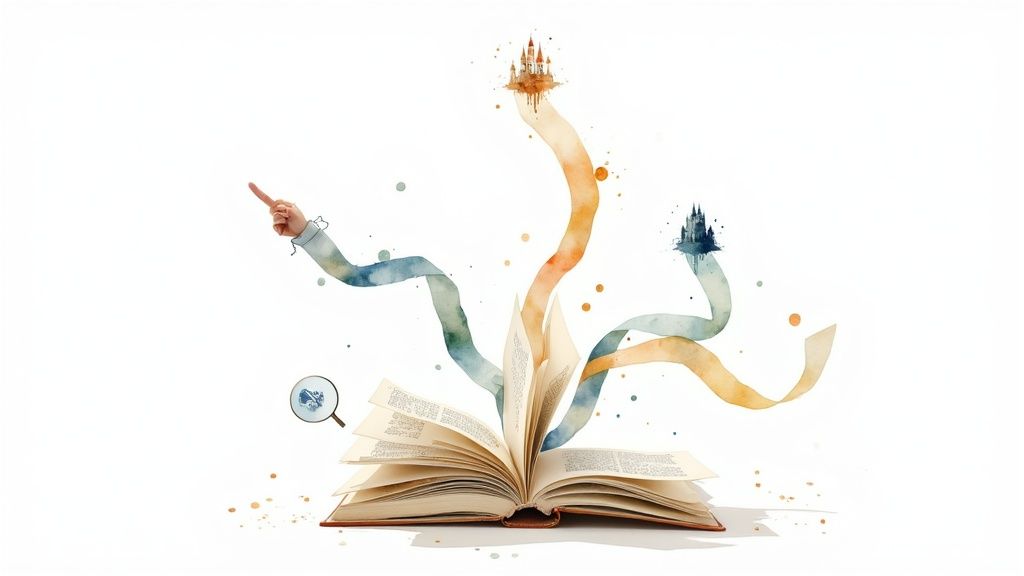
These branching stories for elementary students teach cause and effect. Kids see results right away. They learn that choices matter.
Kids also reread to find new endings. That extra reading builds fluency and understanding. The game feel can also help reluctant readers. Our guide to books for reluctant readers goes further on that, and if you are unsure what level to aim for, the reading level chart explained breaks down the systems US schools use.
It feels less like work and more like play. That boost in control can raise effort. It can also raise joy.
Making Interactivity a Learning Tool
Choice can build thinking and writing skills. Use it with clear tasks. Here are ways to use interactive books well:
- Map the Narrative: Chart choices on a whiteboard or paper. Draw the paths as kids read. This shows how one choice can change the whole ending.
- Debate the Decisions: Pause before each choice. Let kids argue for their pick. Ask them to use facts from the text. This builds logic and clear speech.
- Create a Collaborative Story: Write your own class or family story. Start with a simple setup. Let kids vote at each choice point. This teaches plot shape and creative writing.
Key Insight: Interactive stories do more than entertain. They show that choices bring results. They help kids think ahead in books and in life.
You can also make the choice feel even more real. You can build a story where your child's choices matter from page one. With a platform like Love to Read, you can upload family photos.
Those photos become story characters in seconds. Your child might choose the spooky cave or the high mountain. The story becomes personal and hard to forget.
8-Category Comparison of Elementary Stories
| Item | 🔄 Implementation complexity | ⚡ Resource requirements | 📊 Expected outcomes | Ideal use cases | ⭐ Key advantages | 💡 Practical tip |
|---|---|---|---|---|---|---|
| Classic Fairy Tales and Folktales | Low — easy sequencing and retelling | Low — printed books, props for acting | Strong lessons, imagination, cultural know-how — ⭐⭐⭐ | Read-alouds, value talks, cross-cultural compares | ⭐ Familiar, flexible, classic lessons | 💡 Use new retellings and compare cultural versions |
| Chapter Books for Independent Readers | Moderate — needs level fit and support | Moderate — class sets, time for long reading | Better fluency, understanding, confidence — ⭐⭐⭐⭐ | Independent reading, book clubs, guided groups | ⭐ Builds stamina and deeper story talk | 💡 Match levels; read chapter one aloud to hook interest |
| Graphic Novels and Comics | Low to moderate — choosing and image-reading tasks | Low — easy to share; great for ESL and visual learners | High interest, visual reading skills, less reading stress — ⭐⭐⭐⭐ | Visual learners, reluctant readers, support groups | ⭐ High interest, wins over reluctant readers | 💡 Pair with prose; study how panels tell the story |
| Fantasy and Adventure Series | High — track world rules and long plots | High — many books, long time needed | Long-term interest, strong plot tracking — ⭐⭐⭐⭐ | Avid readers, long programs, series talk groups | ⭐ Rich worlds, strong reader loyalty | 💡 Start with book one; set reading plans and talks |
| Realistic Fiction and Contemporary Stories | Low to moderate — needs theme support | Low — easy to find titles | Strong SEL and real-life links — ⭐⭐⭐ | SEL lessons, empathy work, class reflection | ⭐ Relatable leads, great for SEL | 💡 Link events to student life; use journaling |
| Multicultural and Diverse Stories | Moderate — needs careful, true choices | Low to moderate — build a thoughtful set | More cultural know-how, representation, empathy — ⭐⭐⭐⭐ | Inclusive plans, diversity units, family ties | ⭐ Affirms identity, fights stereotypes | 💡 Choose Own Voices; ask families for context |
| Animal-Centered Stories | Low — simple story shapes | Low — easy to find | Strong feelings, safe space for hard topics — ⭐⭐⭐ | Talks on loss, ethics, nature themes | ⭐ Fits animal interest; clear themes | 💡 Add real animal study to avoid wrong ideas |
| Interactive and Choose-Your-Own-Adventure Stories | Moderate — track choices and paths | Moderate to high — print and/or digital tools | High control, decision skills, reread value — ⭐⭐⭐⭐ | Engagement boosts, cause/effect lessons, writing | ⭐ Strong interest and replay value | 💡 Draw story paths; talk through cause and effect |
From Reader to Creator: The Ultimate Step in Story Engagement
This guide covered many stories for elementary students. We looked at fairy tales and big fantasy series. We also looked at modern fiction and graphic novels.
Each type opens a new door. Each one builds different skills. A varied library helps kids grow in many ways.
Variety builds empathy and word knowledge. It also sparks a long love of reading. Variety is not just nice to have. It is a must.
A child may see themselves in a diverse story. They may find courage in an adventure series. They may also find humor in a graphic novel.
That child starts to link reading with joy. They also link it with belonging and meaning. That is how reading becomes personal.
Still, picking the right book is only step one. The bigger goal is active reading. Help the child move from reader to maker.
This shift builds deep, lasting interest. Kids start to see how stories work. They learn they can build stories too.
They can become writers and artists. They can also become world builders. This strengthens their grasp of plot and character.
It also makes story shape feel real. Simple reading alone rarely does that.
Key Takeaways for Fostering a Love of Reading
Use these key ideas as you guide young readers. They come from the genres we covered:
- Mirrors and Windows: Offer stories that match a child's life. Also offer stories about other lives. This builds self-knowledge and empathy.
- Visual Literacy is Literacy: Graphic novels are not an easy way out. They build real skills. Kids learn to read images, order events, and infer meaning.
- Choice is a Superpower: Let kids choose what they read. Use choice books when you can. Freedom builds drive and a sense of ownership.
The Power of Becoming the Hero
Now take it one step further. Picture your child as the main hero. The lead is not a far-off character. It is your own child.
Friends and family can join the story too. Even a pet can become a key character. This can change how a child feels about reading.
When kids see themselves in the story, they care right away. The bond feels deep and real. It also tells them their life matters.
It shows their story is worth telling. That is a powerful lesson. Stories are not only things we read.
Stories are also things we live in. When kids sit at the center of the action, they lean in more. They also keep the book as a treasure.
The best stories for elementary learners can be the ones made for them. Those stories can hold their hopes and strengths. They can also hold their voice.
Ready to turn your child into the hero of their very own book? At LoveToRead.AI, you can create personalized stories for elementary readers in seconds. Convert real-life photos into characters, build a reusable library of your family and friends, and watch them star in new adventures with the best art styles and character consistency. When you find a story you love, you can easily order a beautiful hardback copy. Visit LoveToRead.AI to start building your child's personalized library today.