How to Create a Character Library: A 2026 Guide
Have you ever noticed how children’s faces light up when they see a familiar character? Whether it’s a hero from their favorite book series or a beloved cartoon figure, consistent characters build a powerful connection that keeps kids coming back for more. A character library is the secret tool that makes this magic happen. If you’re wondering how to create a character library, you’ve come to the right place. This guide will walk you through the process, ensuring your stories are consistent, engaging, and easy to produce.
Creating a roster of well-defined characters is one of the most effective ways to build an immersive world for a young reader. By establishing who your characters are from the very beginning, you lay the groundwork for countless adventures, helping to create personalized storybooks for kids that foster a love of reading.
Why a Character Library is Essential in 2025
A character library is a centralized document or system that stores all the important details about your characters. Think of it as a casting sheet for your imagination. Before diving into the steps, it’s crucial to understand why this is more than just an organizational quirk—it’s a creative game-changer.
- Ensures Consistency: It guarantees that a character’s eye color, personality traits, and backstory remain the same from one story to the next.
- Boosts Efficiency: You save time and mental energy by not having to reinvent character details for every new story. You can simply pull from your library and start writing.
- Deepens Connection: Well-defined characters feel more real and relatable, allowing children to form stronger emotional bonds with them.
- Provides a Creative Foundation: It serves as a springboard for new plot ideas. What happens when two characters with conflicting personalities have to work together?
How to Create a Character Library: A Step-by-Step Guide
Building a character library doesn’t have to be a daunting task. By breaking it down into manageable steps, you can create a rich collection of characters ready for any adventure. Here’s a practical guide on how to create a character library from scratch.
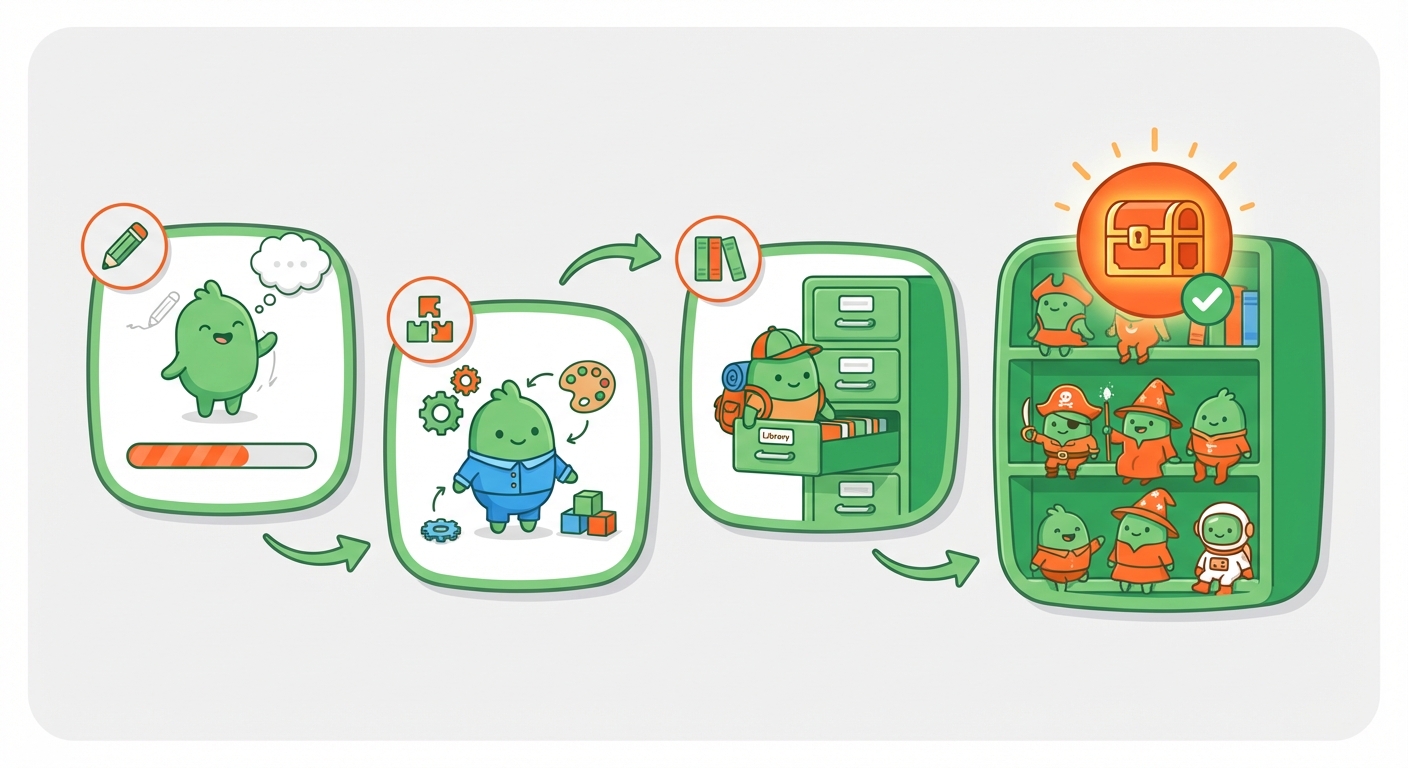
Step 1: Define Your Character’s Core Purpose
Before you get into the details, ask yourself: what is this character’s role? Every character in a story should have a purpose. Are they the brave hero, the funny sidekick, the wise mentor, or the mischievous rival? Defining their primary role will guide all your other decisions.
For parents creating stories for their children, the protagonist is often the child themselves. In this case, the purpose is to make the child the hero of their own tale, empowering them and making the story instantly relatable.
Step 2: Gather Foundational Details
Start with the basics. These are the simple, factual data points that form the skeleton of your character. Don’t overthink it at this stage; just get the core information down.
Key details to include:
- Name: What is the character called?
- Age: How old are they? This will heavily influence their voice and actions.
- Gender: How do they identify?
- Home: Where do they live (a cozy cottage, a futuristic city, a magical forest)?
- Key Relationships: Who are their family members or best friends?
Step 3: Develop the Visual Identity
Now it’s time to decide what your character looks like. Visual details are important, especially for young readers, as they help solidify the character in their minds. Be specific.
Consider elements like:
- Hair color and style (e.g., curly red hair, a straight black bob)
- Eye color (e.g., bright blue, warm brown)
- Height and build (e.g., tall and lanky, small and quick)
- Distinctive features (e.g., freckles, glasses, a favorite hoodie)
Pro Tip: In 2025, technology makes this step easier than ever. Platforms like LoveToRead.ai use AI to generate unique illustrations based on the visual descriptions you provide, instantly bringing your character to life without needing any artistic skill.
Step 4: Flesh Out Personality and Backstory
This is where your character truly comes alive. Personality is what drives a character’s decisions and makes them memorable. Think about what makes them tick. A simple backstory, even just a sentence or two, can add immense depth.
- Likes & Dislikes: Do they love exploring caves but hate spiders?
- Strengths & Weaknesses: Are they brave but also a little bit clumsy?
- Goals & Dreams: What does your character want more than anything?
- Quirks: Do they have a unique catchphrase or a funny habit?
These details provide endless opportunities for storytelling and are key to the benefits of personalized storybooks for kids explained, as they make the character feel authentic and multi-dimensional.
Step 5: Organize Your Information
Once you have all these details, you need a place to store them. A disorganized library is just as unhelpful as having no library at all. Your method can be as simple or as complex as you like.
- Simple: A physical notebook or a digital document (like Google Docs or a spreadsheet).
- Advanced: A dedicated world-building software or a personal wiki.
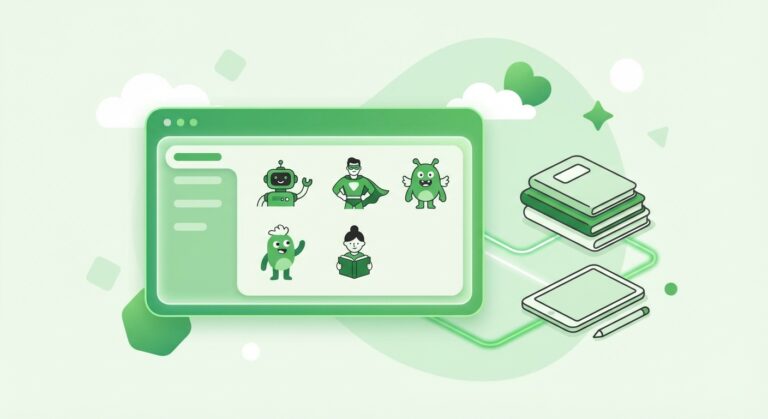
- Effortless: Use a platform with a built-in feature. For instance, the LoveToRead.ai character library saves your child’s character details, so you can easily select them for new stories without re-entering information every time.
Step 6: Put Your Character into Action
Your character library is a living document. The final step is to use your characters in actual stories! As you write, you may discover new things about them. Don’t be afraid to go back and add these new insights to your library.
This is the most rewarding part of the process—seeing your creation jump off the page and into an adventure. If you’re ready to start, our guide on how to create a personalized storybook online can help you take your new character on their very first journey.
Common Mistakes to Avoid
When you first learn how to create a character library, it’s easy to fall into a few common traps. Here are some pitfalls to watch out for:
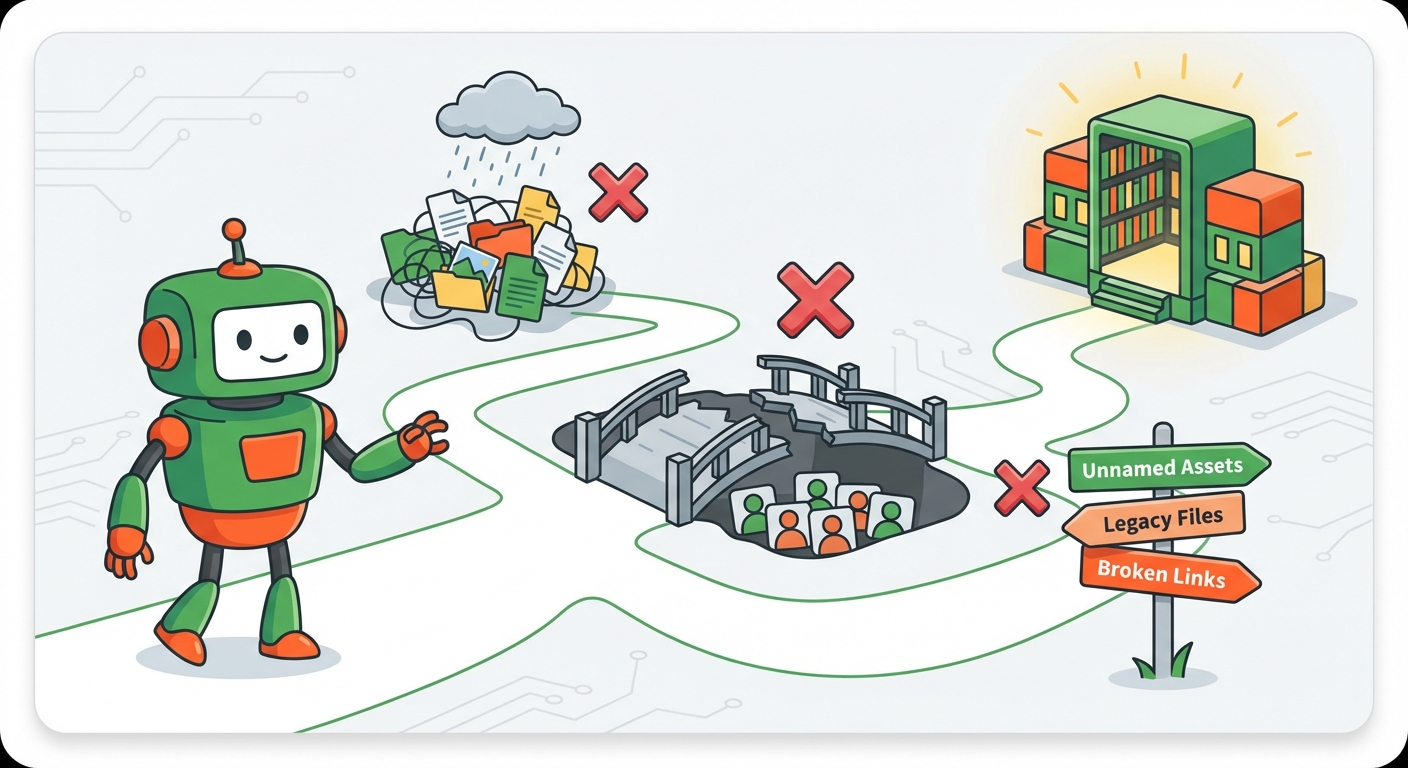
- Over-Detailing Too Soon: Don’t feel pressured to fill out every single detail before you start writing. Begin with the essentials and let the rest develop organically through storytelling.
- Being Too Rigid: Allow your characters to grow and change. A character who is perfect and never makes mistakes is often uninteresting.
- Forgetting the Audience: A character designed for a 10-year-old will have different complexities and motivations than one for a 5-year-old. Always keep the reader in mind.
- Ignoring Visual Consistency: If a character has brown eyes in chapter one, they shouldn’t suddenly have blue eyes in chapter three. This is where a library proves its worth.
The Outcome: A World of Consistent, Engaging Stories
By following these steps, you will have created a robust and reusable character library. The immediate result is a more streamlined and enjoyable creative process. You’ll be able to generate new stories faster, confident that your world and its inhabitants remain consistent and believable.
For parents and educators, the ultimate outcome is a more engaged young reader. A well-crafted, familiar character acts as a trusted friend, guiding a child through new worlds and ideas. This is one of the best ways to get kids excited about reading with AI and other modern tools.
If you want to put these principles into practice effortlessly, consider trying LoveToRead.ai. Our platform is designed around the concept of a character library, allowing you to create a digital version of your child and then place them at the center of countless AI-generated adventures, complete with personalized illustrations. It’s the perfect way to turn your child into the hero of their very own, ever-expanding storybook collection.