How to Engage Kids with Reading: A 2026 Guide
In our fast-paced, digital world of 2026, competing for a child’s attention can feel like an uphill battle. With interactive games and endless video streams just a tap away, the simple act of opening a book can seem less appealing. Yet, the profound benefits of reading—from boosting cognitive development to nurturing empathy—remain as crucial as ever. The key isn’t to fight technology, but to learn how to engage kids with reading in a way that resonates with their modern sensibilities. This guide provides a clear, step-by-step framework to help you cultivate a lifelong love of reading in your child.
Why Fostering a Love for Reading Matters in 2026
Before diving into the ‘how,’ let’s reaffirm the ‘why.’ A strong foundation in reading does more than just prepare a child for academic success. It equips them with essential life skills:
- Cognitive Growth: Reading improves concentration, expands vocabulary, and strengthens critical thinking and analytical skills.
- Emotional Intelligence: Stories allow children to explore complex emotions and situations from the safety of a book, building empathy and understanding for others.
- Creativity and Imagination: Books are gateways to new worlds, ideas, and possibilities, fueling a child’s imagination like nothing else.
- Bonding: Sharing a story is a powerful bonding experience, creating cherished memories and strengthening the parent-child connection.
Step 1: Cultivate a Reading-Rich Environment
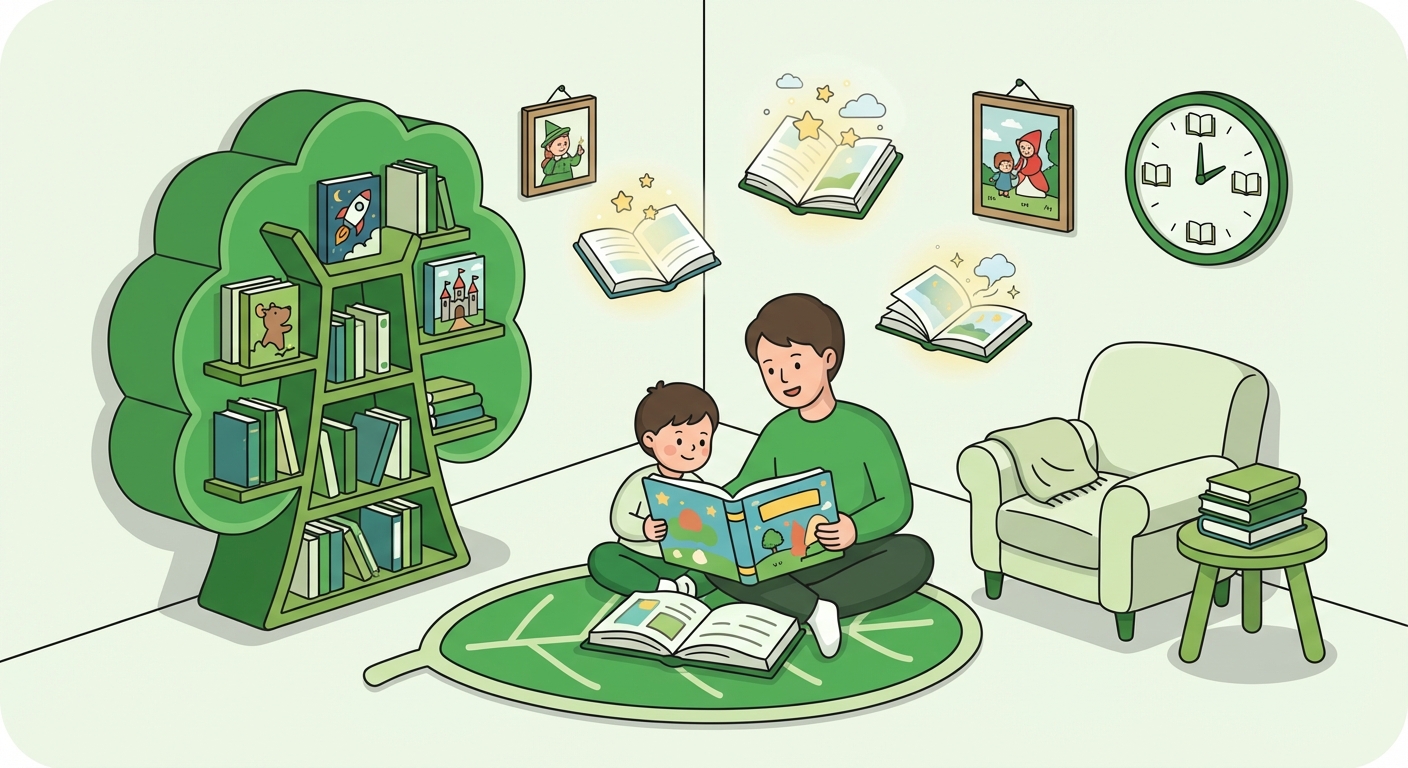
The first step to engaging a child with reading is to make it a natural and inviting part of their daily life. Your home environment is the foundation upon which their reading habits will be built.
Make Books Accessible
Keep a diverse collection of age-appropriate books readily available. Place them in baskets on the floor, on low shelves in their bedroom, and even in the car. The goal is to make picking up a book as easy as picking up a toy.
Create a Cozy Reading Nook
Designate a special, comfortable spot just for reading. It doesn’t need to be elaborate—a soft beanbag chair, a pile of pillows in a quiet corner, or a small tent filled with blankets can create a magical retreat that children associate with the pleasure of reading.
Be a Reading Role Model
Children are expert mimics. If they see you enjoying a book, a magazine, or even reading on a tablet, they’ll understand that reading is a valuable and enjoyable activity for all ages. Carve out time for your own reading and talk about what you’re reading with them.
Step 2: Make Reading Personal and Relevant
One of the most powerful strategies for how to engage kids with reading is to make them the center of the story. When a child sees themselves as the hero, the connection to the narrative becomes immediate and deeply personal.
This is where personalization becomes a game-changer. A story featuring their name, their appearance, and even their friends or pets transforms reading from a passive activity into an exciting adventure about them.
Tip: Platforms like LoveToRead.ai have revolutionized this concept. In under a minute, you can generate a unique story with your child as the main character, complete with custom illustrations. This level of personalization can be the spark that ignites a reluctant reader’s interest. Learning how to make your child a story hero: a 2025 guide is an effective way to capture their imagination.
Step 3: Empower Them with Choice
Autonomy is a powerful motivator. Forcing a child to read a specific book can turn reading into a chore. Instead, empower them by letting them choose what they want to read.
- Visit the Library: Make regular trips to the local library a fun outing. Let them explore the shelves and pick out any book that catches their eye, whether it’s a graphic novel, a non-fiction book about sharks, or a silly picture book.
- Explore Different Formats: Reading isn’t limited to traditional chapter books. Encourage comics, magazines, audiobooks, and interactive e-books.
- Find Their Niche: Pay attention to their interests. If they love dinosaurs, find every dinosaur book you can. If they’re obsessed with space, explore stories about astronauts and aliens. Following their passions ensures the content is inherently engaging for them. For ideas, you can explore lists of the top 5 engaging story books for kids in 2025.
Step 4: Make Reading an Interactive Experience
Reading doesn’t have to be a quiet, solitary activity. Turn story time into an interactive performance to keep them captivated.
Read with Expression
Use different voices for different characters. Vary your pace and volume to build suspense or excitement. Your enthusiasm is contagious and will show them that stories are meant to be enjoyed.
Ask Questions
Pause and ask open-ended questions as you read. “What do you think will happen next?” or “How do you think that character is feeling?” This encourages active listening and helps them develop comprehension skills.
Connect Stories to Real Life
Draw parallels between the story and your child’s own experiences. If the book is about a trip to the zoo, talk about your own family visit. This makes the narrative more relatable and memorable.
Step 5: Leverage Technology Wisely
In 2026, technology can be a powerful ally in your quest to foster a love of reading. The key is to choose high-quality, interactive tools that enhance the reading experience rather than simply providing passive entertainment.
Warning: Be mindful of screen time. The goal is to use technology as a bridge to reading, not as a replacement for physical books or shared reading time. Balance digital reading with traditional print books.
Modern platforms offer opportunities. Exploring the world of personalized children’s books online: a 2025 guide can introduce you to services that blend storytelling with technology to create unique reading experiences. For instance, creating a book with custom illustrations that look just like your child is a powerful way to use technology to deepen their connection to reading.
Common Mistakes to Avoid
As you navigate this journey, be aware of common pitfalls that can inadvertently discourage a child from reading.
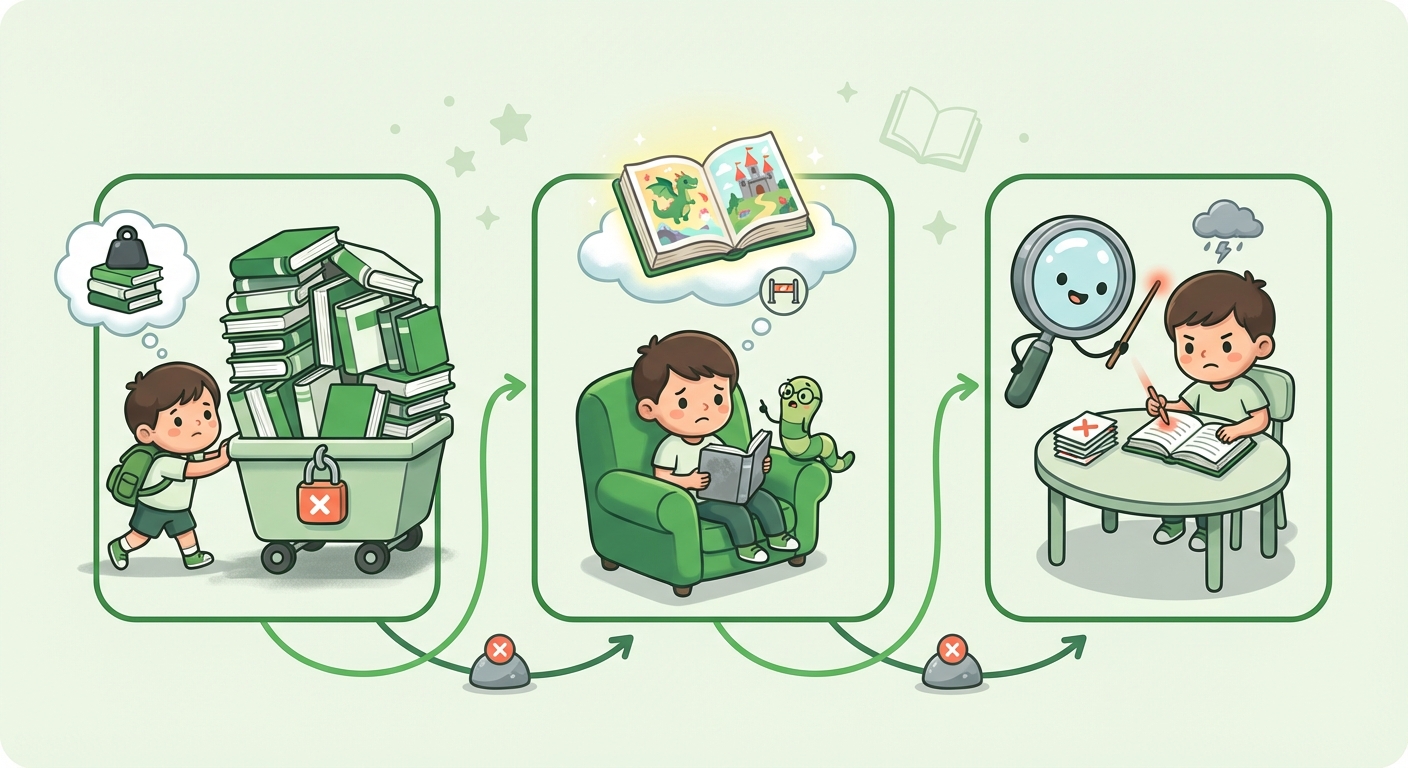
- Using Reading as a Punishment: Never force a child to read as a consequence for misbehavior. This will create a negative association they may never shake.
- Over-Analyzing and Quizzing: While asking questions is good, turning every story into a test can suck the joy out of it. Let them read for pleasure first and foremost.
- Comparing Them to Others: Avoid saying things like, “Your older sister was reading chapter books by your age.” Every child develops at their own pace. Focus on progress, not comparison.
- Giving Up Too Soon: If a child resists reading, don’t assume they just “don’t like books.” It often means you haven’t found the right book or the right approach yet. Stay patient and keep trying different strategies.
Expected Results: Cultivating a Lifelong Reader
By consistently applying these steps, you’re not just teaching a child to read; you’re showing them how to love reading. The expected outcome is a child who voluntarily picks up a book for entertainment, comfort, and curiosity.
You can expect to see a noticeable improvement in their vocabulary, comprehension, and concentration. More importantly, you’ll have nurtured an inquisitive, empathetic, and imaginative mind. The shared stories and cozy reading times will become a cherished part of their childhood and a cornerstone of your relationship.
Ultimately, the goal is to transform reading from a required skill into a treasured hobby. By making it personal, fun, and an integral part of their world, you are giving them a gift that will enrich their entire life. And for a little help making that experience truly unforgettable, tools like LoveToRead.ai can be a wonderful partner in turning your child into the hero of their own reading journey.