How to Make Reading Fun: A 2026 Guide for Parents
In our hyper-digital world of 2026, capturing a child’s attention with a physical book can feel like a monumental task. With interactive games and streaming content just a tap away, many parents wonder how to make reading fun and engaging rather than just another chore. The great news is that transforming reading into a cherished adventure is not only possible but also one of the most rewarding gifts you can give your child.
Fostering a love for reading at a young age builds a foundation for academic success, enhances vocabulary, and develops crucial empathy and critical thinking skills. This guide provides a clear, step-by-step approach to turn even the most reluctant reader into an enthusiastic book lover.
Step 1: Cultivate a Reading-Rich Environment
Before you can make reading fun, you must make it accessible and inviting. Children are products of their environment, so creating a space that celebrates books is the first crucial step.
Create a Cozy Reading Nook
Designate a special corner in your home specifically for reading. It doesn’t need to be large or elaborate. A comfy beanbag chair, a soft rug with pillows, and good lighting can transform a simple space into a magical escape. The goal is to create a positive association: this is a place for comfort, quiet, and adventure.
Keep Books Within Reach
Position bookshelves at your child’s eye level. Use front-facing shelves for younger children so they are drawn in by the colorful covers. A rotating selection of books from the library keeps the options fresh and exciting. When books are as easy to grab as a tablet, children are more likely to pick them up.
Lead by Example
Let your children see you reading for pleasure. Whether it’s a novel, a magazine, or a newspaper, your own reading habits demonstrate that it’s a valuable and enjoyable adult activity. Talk about what you’re reading and share your excitement.
Step 2: Empower Them with Choice
Autonomy is a powerful motivator for children. When they feel in control of their reading journey, their engagement skyrockets. Forcing a child to read a book they have no interest in is one of the fastest ways to create a negative association.
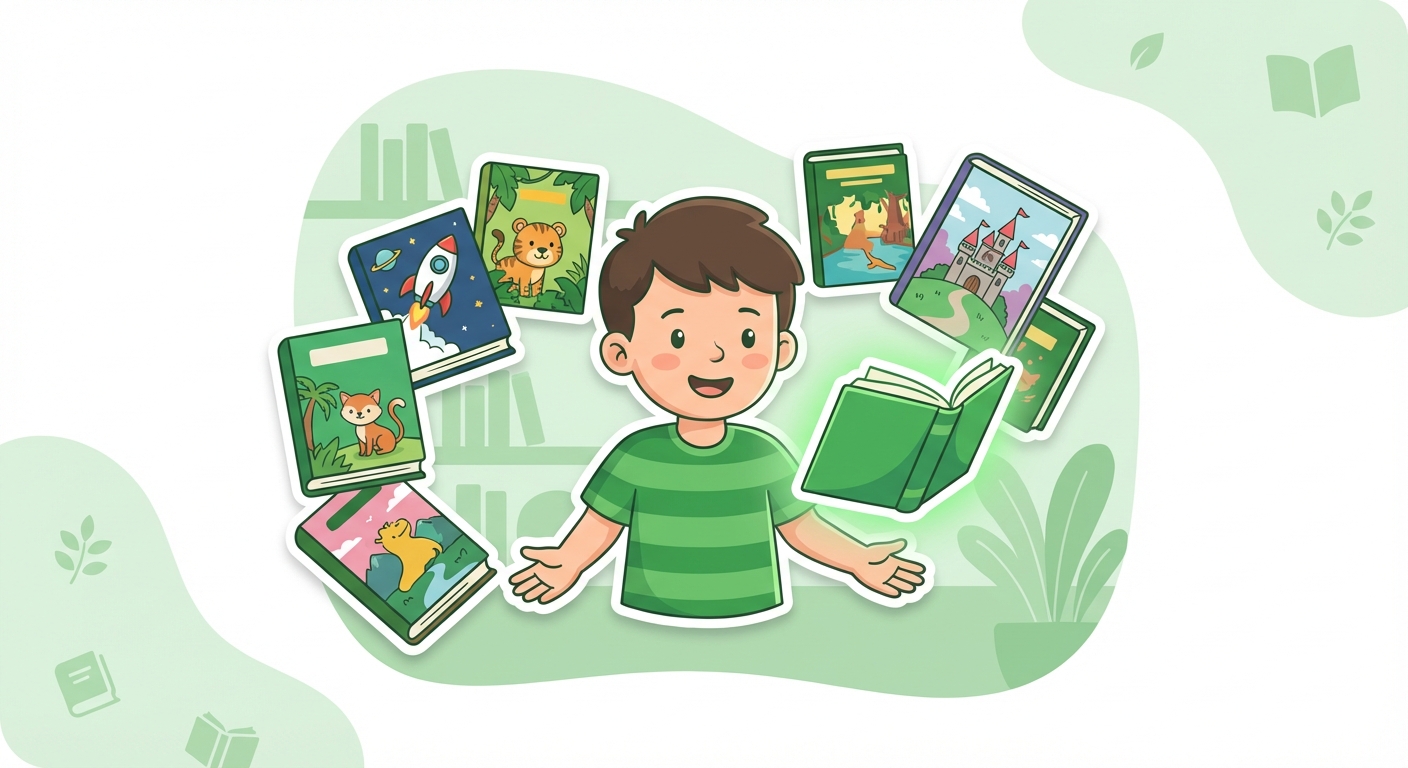
Tip: Let your child take the lead during visits to the library or bookstore. Even if they choose a graphic novel or a silly book of jokes, celebrate their choice. Any reading is good reading. You can gently guide them, but ultimately, the final decision should be theirs. This simple act of trust shows them that their opinions and interests are valued.
Step 3: Make Reading an Interactive Experience
Reading doesn’t have to be a passive activity. Transforming story time into an interactive performance is a fantastic way to make reading fun and memorable.
- Use Silly Voices: Give each character a unique voice. Use a high-pitched squeak for a mouse or a deep, booming voice for a giant. Don’t be afraid to be dramatic and theatrical.
- Act It Out: Get up and act out scenes from the book. If the character is hopping, you hop too! This physical engagement helps with comprehension and makes the story come alive.
- Connect to Real Life: Read a book about baking, then bake a cake together. Read a story about stars, then look at the night sky. Creating these tangible connections makes the narrative more meaningful and relevant to their world.
Step 4: Personalize the Story
In 2026, technology has unlocked new ways to make stories more immersive, and personalization is at the forefront of this revolution. One of the most effective methods to engage a young reader is to make them the hero of the story.
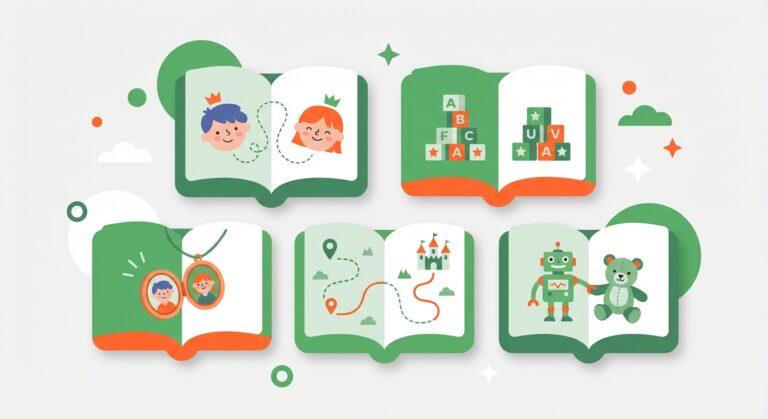
When a child sees their own name, character, and even their personal interests woven into the narrative, the book instantly becomes more relevant and captivating. This isn’t just a story about a brave knight; it’s a story about them as the brave knight. This deep connection is a core principle of What is Personalized Storytelling? A 2026 Guide, as it fosters a unique bond between the child and the act of reading.
Companies like LoveToRead.ai specialize in creating these bespoke adventures, allowing you to craft a story where your child overcomes challenges and becomes the star. Exploring some of the 6 best personalized books for kids of 2026, reviewed can be a game-changer for a reluctant reader.
Step 5: Leverage Technology Wisely
While we often see technology as a competitor to reading, it can also be a powerful ally when used correctly. The key is to choose high-quality, educational content that supplements, rather than replaces, traditional reading.
There are numerous interactive e-books and reading apps that can help build foundational literacy skills in an engaging way. Look for apps that focus on phonics, sight words, and comprehension through storytelling and games. If sight words are the specific sticking point, our practical guide to sight words for kindergarten explains where the school list comes from and how to work through it at home. For recommendations, our curated list of The 5 Best Kids Reading Apps of 2026 is an excellent starting point.
Warning: It’s essential to maintain a healthy balance. The tactile experience of holding a physical book and turning its pages is invaluable. Use technology as a tool to spark interest, not as a complete replacement for your library.
Step 6: Turn Reading into a Game
Gamification can transform almost any task into an exciting challenge. Apply this principle to reading to create positive momentum and a sense of accomplishment.
- Start a Reading Challenge: Create a simple chart where your child can add a sticker for every book they finish. Set a goal (e.g., 10 books) and decide on a fun reward together, such as a trip to the park, choosing the family movie, or an extra 30 minutes of playtime.
- Create a “Book Bingo”: Make a bingo card with different reading challenges, like “Read a book about an animal,” “Read in your pajamas,” or “Read a book with a blue cover.”
- Family Book Club: Once a month, have everyone in the family (or even with friends) read the same book and discuss it over snacks. This fosters a sense of community around reading.
Common Mistakes to Avoid
As you work on how to make reading fun, it’s just as important to know what not to do.
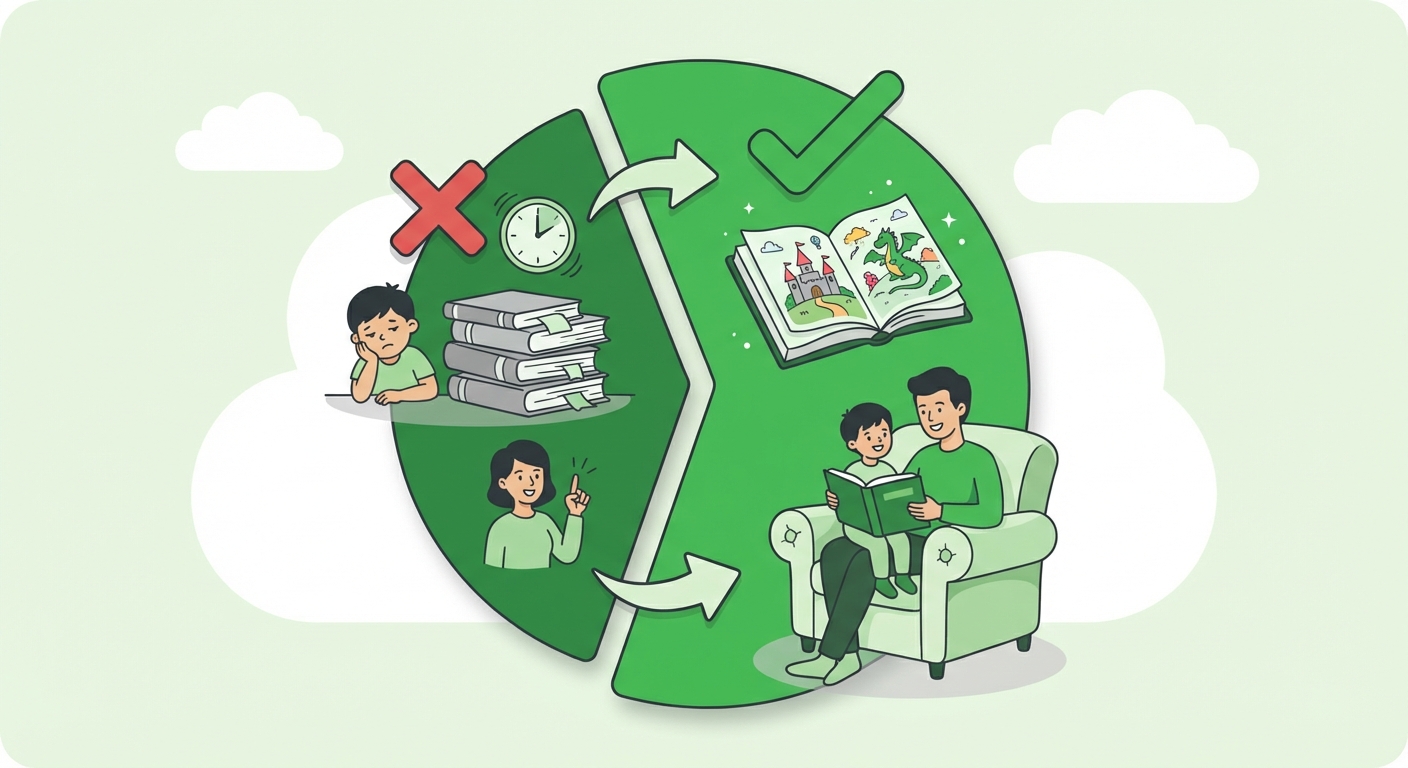
- Using Reading as a Punishment: Never force a child to read as a consequence for misbehavior. This will permanently frame reading as a negative and tedious task.
- Over-Correcting Mistakes: When your child is reading aloud, resist the urge to correct every single mispronounced word. This can cause anxiety and frustration. Focus on encouragement and overall comprehension.
- Being Too Rigid: Don’t stress if your child wants to read a book that seems too easy for them or re-read the same book for the twentieth time. Comfort and familiarity are important parts of building reading confidence.
Expected Results: A Lifelong Love of Reading
By consistently implementing these strategies, you can expect a significant shift in your child’s attitude toward reading. Instead of groaning when it’s time to read, they will begin to seek it out on their own. You’ll notice their vocabulary expanding, their curiosity growing, and their ability to focus for longer periods improving.
Ultimately, the goal is not just to get them to read another chapter but to cultivate a genuine, lifelong love for stories. Reading will become their source of comfort, a gateway to new worlds, and a tool for understanding themselves and others.
By creating a positive environment, offering choice, and making stories interactive and personal, you are not just teaching a skill—you are nurturing an imagination. Exploring options like a personalized storybook from LoveToRead.ai can be a fantastic way to kickstart this journey, making your child the hero of their own tale and solidifying their passion for the written word. For more ideas and inspiration, be sure to visit our blog.