How to Write a Storybook for Kids: A 2026 Guide
Every child has a story inside them, and nothing brings that story to life quite like a book written just for them. Creating a storybook is a deeply rewarding experience that can foster a child’s imagination, strengthen your bond, and create a cherished keepsake. If you’ve ever wondered how to write a storybook for kids, you’re in the right place. This comprehensive guide for 2026 will walk you through the entire process, step by step, turning your brilliant idea into a treasured tale.
Writing for children is a unique craft. It requires a blend of simplicity, wonder, and a deep understanding of what captures a young reader’s heart. Let’s walk through the magical process of creating a story they’ll ask for again and again.
Step 1: Define Your Audience and Core Idea
Before you write a single word, you need to know who you’re writing for and what you want to say. This foundational step will guide every other decision you make.
Identify the Target Age Group
Children’s literature is segmented by age, and each group has different needs and comprehension levels:
- Ages 0-3 (Board Books): Focus on simple concepts, bright illustrations, rhythm, and repetition. Plots are minimal, often centered on daily routines or identifying objects.
- Ages 3-5 (Picture Books): These readers enjoy simple, linear plots with a clear problem and resolution. The word count is typically under 500 words, and illustrations are critical to the storytelling.
- Ages 6-8 (Early Readers/Chapter Books): Children in this group are beginning to read independently. Stories can have more complex plots, multiple characters, and are broken into short chapters.
Brainstorm a Central Theme
What is the heart of your story? The theme is the underlying message. It could be about friendship, courage, kindness, or the importance of trying new things. A strong, simple theme will make your story more memorable and impactful.
Tip: Think about a lesson or feeling you want to share with a child. The best stories teach gently, wrapping their message in an engaging adventure rather than a lecture.
Step 2: Create a Relatable Main Character
The hero of your story is the child’s entry point into the world you’ve created. A compelling main character is one that young readers can see themselves in or root for.

- Give Them a Desire: What does your character want more than anything? This desire will drive the plot forward.
- Give Them a Quirk: A small, memorable trait—like wearing mismatched socks or talking to plants—can make a character feel real and endearing.
- Make Them Relatable: The character should face challenges that kids can understand, even if they’re set in a fantasy world. Fear of the dark, the first day of school, or making a new friend are universal experiences.
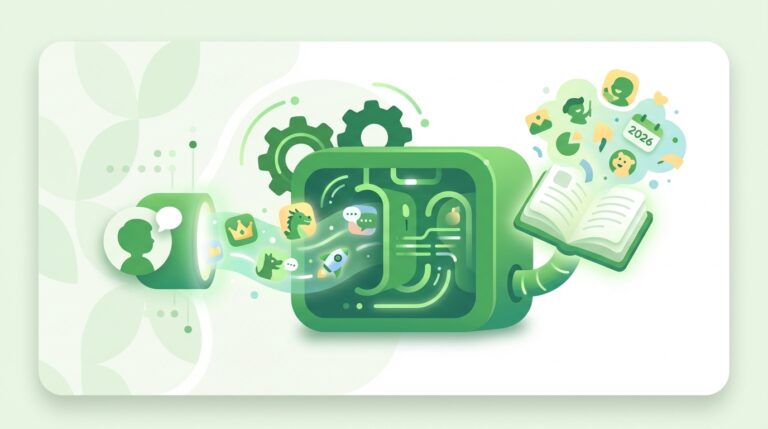
A powerful way to guarantee a child connects with a story is to make them the hero. Modern technology has made this easier than ever. Platforms like LoveToRead.ai excel at this, allowing you to build a character library with personalized avatars that star in countless adventures. Seeing themselves in a book is one of the most effective ways to develop a love for reading.
Step 3: Outline a Simple and Satisfying Plot
A classic story structure works wonders for children’s books. Keep your plot focused on a single, clear storyline with a beginning, a middle, and an end.
- The Beginning: Introduce your main character in their normal world. Then, introduce a problem or an inciting incident that sets the story in motion. (e.g., Lily the bunny can’t find her favorite carrot.)
- The Middle: This is where the action happens. The character attempts to solve the problem, facing obstacles along the way. A great technique is the “Rule of Three,” where the character tries and fails twice before succeeding on the third attempt.
- The End: The character resolves the problem, learns something valuable, and returns to their world, but slightly changed for the better. The ending should feel satisfying and reassuring.
Step 4: Write Your First Draft with a Child’s Ear
Now it’s time to write. As you craft your sentences, focus on language that is both simple and engaging. The best way to perfect your writing is to constantly read it aloud.
- Use Simple, Active Language: Choose strong verbs and clear nouns. Avoid complex sentences and abstract concepts.
- Incorporate Rhythm and Repetition: Kids love predictable patterns. Repeating a key phrase or using a rhyming structure can make a story fun to hear and easier to remember.
- Show, Don’t Tell: Instead of saying, “The monster was scary,” describe its “long, pointy teeth and rumbling growl.”
If you find yourself stuck on a plot point or need help phrasing a sentence, AI can be a strong co-creator. Understanding how to use AI for storytelling: a 2026 guide can help you overcome writer’s block and generate fresh ideas, making the process smoother.
Step 5: Plan for Illustrations
In a picture book, illustrations are not just decorations; they are 50% of the story. The art must work in harmony with the text to create a cohesive experience.
Even if you aren’t an artist, you should plan for the visuals. As you write, break your text down page by page (or by two-page spread). For each page, write a brief note about what the illustration should show. This will help you pace the story and ensure your words and the future images tell the same tale.
Modern Solution: You no longer need to hire an expensive illustrator to bring your story to life. The rise of what are AI storybooks? A 2026 explainer shows how technology can bridge this gap. Platforms like LoveToRead.ai instantly generate custom, high-quality illustrations based on your story and personalized character, making visual storytelling accessible to everyone.
Step 6: Revise, Edit, and Share
Your first draft is just the beginning. The revision process is where your good story becomes a great one. Set your manuscript aside for a day or two, then come back to it with fresh eyes.
- Read It Aloud: This is the single most important editing tip. You’ll hear awkward phrasing, clunky sentences, and spots where the rhythm is off.
- Get Feedback: The best test audience is your target audience. Read the story to a child. Watch their reactions. Do they lean in? Do their eyes wander? Their honest, unfiltered feedback is invaluable.
- Proofread Carefully: Check for any spelling, grammar, or punctuation errors. A polished manuscript shows you care about the reader’s experience.
Common Mistakes to Avoid
Learning how to write a storybook for kids also means knowing what not to do. Here are a few common pitfalls:

- Being Preachy: A story should have a moral, but it should be discovered by the reader through the character’s journey, not stated outright like a lecture.
- Underestimating the Reader: Children are perceptive. Don’t talk down to them or oversimplify emotions. They can handle complexity when it’s presented clearly.
- A Passive Protagonist: Your main character should be the one driving the action and solving problems, not having things happen to them.
- Ignoring the Page Turn: Use the turn of a page to create suspense or reveal a surprise. It’s a key part of the picture book format.
Expected Outcomes: A Story to Cherish
By following these steps, you will have successfully navigated the creative process of writing a children’s story. The result is more than just a manuscript; it’s a tool for connection, learning, and joy. You’ve created a unique gift that can be read and reread, a story that can build confidence and spark a lifelong passion for books.
Whether you write from scratch or use technology to speed up the process, the journey of creating a story is rewarding. And if you want to see your child become the hero of their own adventure in just 30 seconds, platforms like LoveToRead.ai are here to help you get started, turning your ideas into beautifully illustrated, personalized books in an instant.