How to Create a Character Library: A 2026 Guide
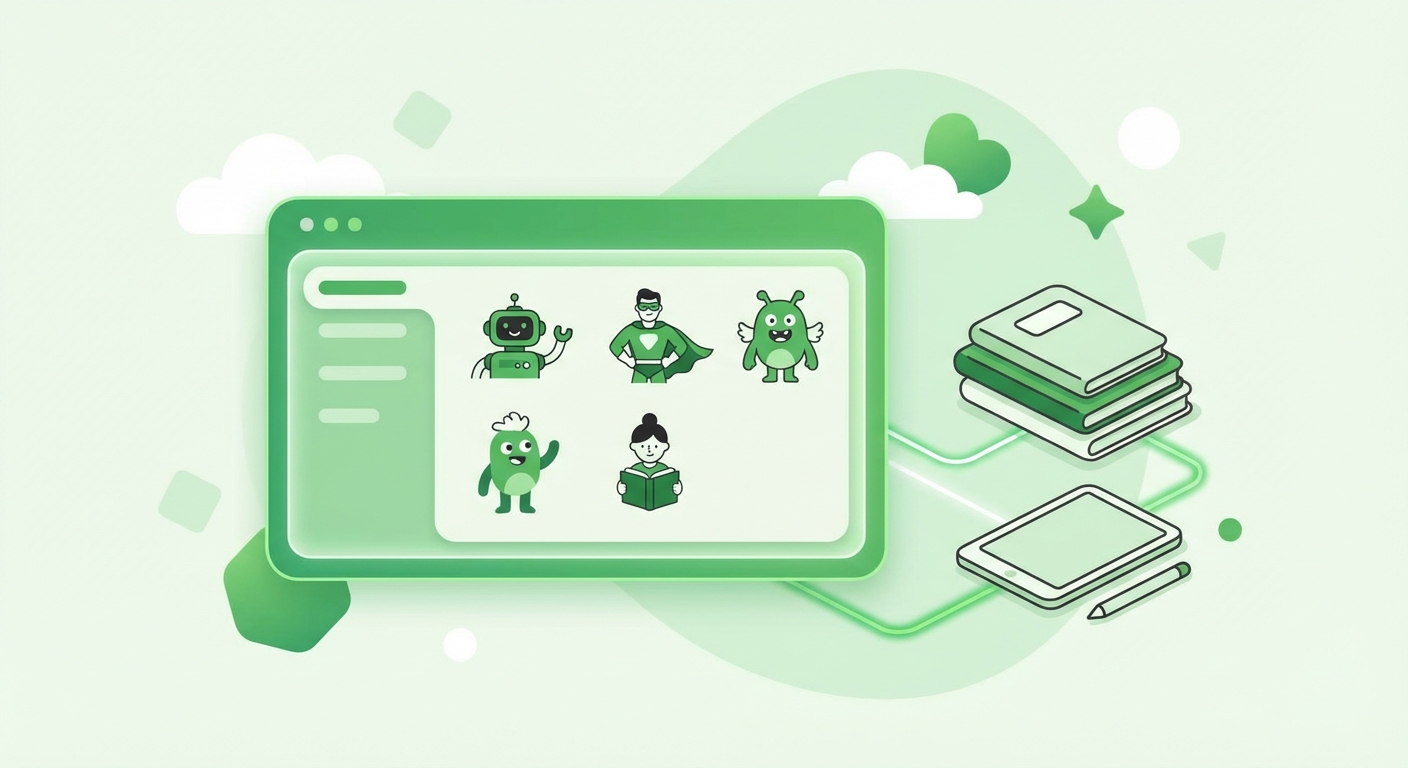
Imagine having a unique, memorable cast of characters ready for any story, at any time. Whether you’re a novelist, a parent creating bedtime stories, or an educator engaging students, a character library makes this possible. It’s a centralized collection of character profiles that ensures consistency, boosts creativity, and saves you precious time. This guide will walk you through exactly how to create a character library to streamline your storytelling.
Why You Need a Character Library in 2026
A well-organized character library is more than just a list of names; it’s a powerful tool for any creator. In 2026, with the rise of serialized content and personalized media, keeping track of details has never been more critical.
- Ensures Consistency: A library acts as your single source of truth, keeping details like eye color, personality quirks, and backstories consistent across multiple stories or projects. No more accidentally changing a character’s greatest fear halfway through a series.
- Boosts Efficiency: Save hours of creative time by having pre-developed characters ready to go. When a new story idea strikes, you can pull a character from your library instead of starting from scratch.
- Sparks Inspiration: Feeling stuck? Browsing through your library can ignite new plot points or character interactions you hadn’t considered before.
- Drives Personalization: For parents and educators, a character library is the key to creating stories that truly resonate. By building a library of avatars for your children or students, you can place them at the center of any adventure, which is a proven method for making reading interactive for kids.
Step 1: Define the Purpose of Your Library
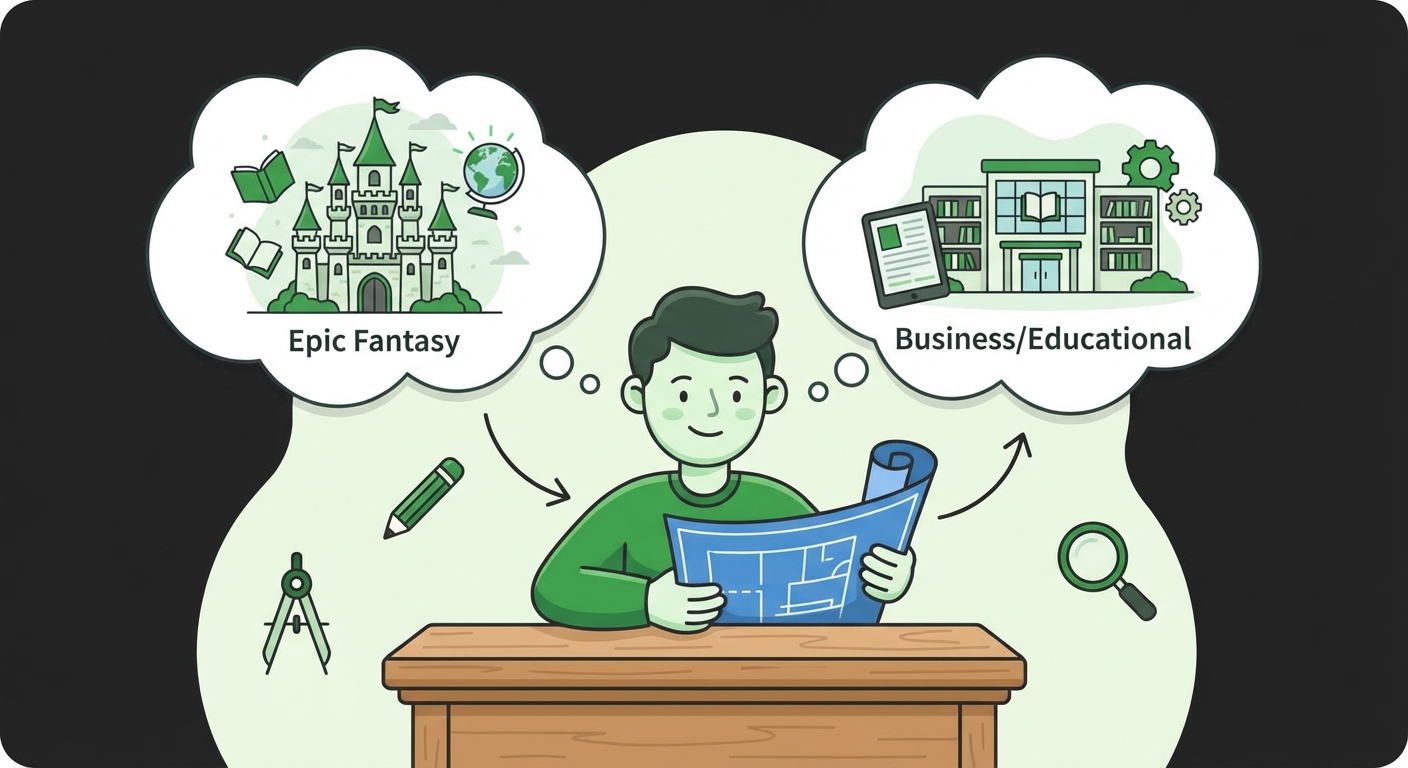
Before you start building, you need a blueprint. The purpose of your library will dictate its structure and the level of detail you need for each character. Are you building a world for an epic fantasy series or creating simple, fun characters for personalized children’s books?
- For Novelists: Your library will likely need deep, intricate profiles covering complex backstories, character arcs, motivations, and relationships.
- For Children’s Storybooks: Focus on core traits, simple motivations, and clear visual descriptions that a young audience can easily understand and connect with.
- For Personalized Stories: The focus shifts to customizable features. Platforms like LoveToRead.ai use a character library to store details like a child’s name, appearance, and favorite things to instantly generate stories where they are the hero.
Step 2: Choose Your Character Management Tool
Your next step is to select a home for your character library. The right tool depends on your technical comfort and the complexity of your project. These tools are essential for anyone serious about learning how to create a character library that is both scalable and easy to manage.
Digital Tools
- Spreadsheets (Google Sheets, Excel): A fantastic starting point. They are free, highly customizable, and make it easy to sort and filter characters by various traits.
- Note-Taking Apps (Notion, Evernote): These offer more flexibility, allowing you to create rich, media-inclusive profiles with images, links, and nested pages for detailed backstories.
- Dedicated Writing Software (Scrivener, World Anvil): For large-scale projects, this software provides robust features specifically designed for world-building and managing complex character relationships.
AI-Powered Platforms
Many modern storytelling platforms have integrated character management. For instance, LoveToRead.ai includes a built-in character library feature. This allows parents and educators to create, save, and reuse personalized avatars of their children, seamlessly integrating them into new AI-generated stories in seconds.
Step 3: Create a Consistent Character Template
A template is the backbone of an organized library. It ensures you capture the same core information for every character, making your library easy to navigate and compare. You can always add more detail later, but start with the essentials.
Basic Information
- Name: Full name and any nicknames.
- Age/Grade Level: Character’s age or school grade.
- Core Identity: Pronouns, species, or role (e.g., protagonist, mentor).
Physical Appearance
- Key Features: Hair color and style, eye color, height, build.
- Style: Typical clothing, accessories, or anything that defines their look.
- Distinguishing Marks: Scars, tattoos, or unique features.
Personality & Traits
- Core Traits: List 3-5 defining adjectives (e.g., brave, curious, shy, mischievous).
- Strengths & Weaknesses: What are they good at? What do they struggle with?
- Likes & Dislikes: Hobbies, favorite foods, pet peeves.
Backstory & Motivation
- Brief History: A one or two-sentence summary of their past.
- Goal: What does this character want more than anything?
- Relationships: List key relationships with other characters.
Pro-Tip: When creating characters for kids, focus on relatable goals and simple personality traits. Mastering these fundamentals is a key part of learning how to write a storybook for kids.
Step 4: Start Populating Your Library
With your template ready, it’s time to bring your characters to life. Start with your main character(s) and fill out their profiles. Don’t feel pressured to have every detail perfect from the start; the goal is to get the foundation in place.
Add supporting characters next. Who are the hero’s friends, family, or rivals? As your world expands, you can add minor characters who play smaller roles. This process should be fun and creative, not a chore.
Tip: Use modern tools to accelerate the process. You can learn how to use AI for storytelling to brainstorm character names, personality quirks, or even basic plot ideas based on your character’s profile.
Step 5: Add Visuals and Keep It Organized
A visual reference can make a character feel instantly more real. You don’t have to be a professional artist to add visuals to your library.
- Create an Avatar: Use AI image generators or online avatar creators to produce a portrait based on your written description.
- Find Inspiration: Collect images from Pinterest or stock photo sites that capture your character’s essence.
- Sketch It Out: Even a simple sketch can serve as a powerful reference point.
As your library grows, organization becomes key. Use tags, folders, or color-coding to categorize characters by story, role (e.g., protagonist, villain), or status (e.g., in use, draft). The easier it is to find a character, the more you’ll use your library.
Step 6: Review and Refine Regularly
Your character library should be a living document, not a static archive. Characters evolve as you tell their stories. They grow, change, and form new relationships. This is a crucial final step for anyone learning how to create a character library that remains useful over the long term.
Schedule time to periodically review your character profiles. Update their information to reflect events in your stories. Has a shy character become more confident? Did they achieve a major goal? Keeping profiles current ensures your library remains an accurate and valuable resource.
Common Mistakes to Avoid
Building a character library is a straightforward process, but a few common pitfalls can trip up creators.

- Overcomplicating the Template: Starting with a 100-field template is overwhelming. Begin with the basics and add more details only when necessary.
- Forgetting to Be Flexible: The library is a guide, not a cage. Allow your characters the freedom to surprise you and grow beyond their initial profile.
- Neglecting Visuals: A character’s appearance is a huge part of their identity. Don’t skip adding some form of visual reference.
- Creating and Forgetting: An out-of-date library is a useless one. Integrate it into your regular creative workflow.
Expected Outcomes: A Streamlined Creative Process
By following these steps, you will build a robust character library that transforms your creative process. The immediate benefits are clear: faster story creation, deeper character consistency, and a central hub for all your creative ideas.
For parents and educators, a character library transforms storytelling into a deeply personal experience. By creating avatars of your children, you make them the heroes of their own adventures, fostering a lifelong love of reading. Tools like LoveToRead.ai are designed to make this process effortless, integrating character creation directly into an AI-powered story generator. It’s one of the best ways to create the Top 5 AI Personalized Books for Kids in 2026 right from your home.