Best Kids Books for Creativity in 2026
In a world driven by innovation, fostering creativity in children has never been more critical. The ability to think outside the box, solve complex problems, and express unique ideas are skills that will serve them for a lifetime. One of the most effective and enjoyable ways to cultivate this imaginative spark is through reading. The right stories can transport children to new worlds, challenge their perspectives, and empower them to become creators themselves. This guide unveils the best kids books for creativity in 2026, blending timeless classics with cutting-edge technology to help your child’s imagination soar.
Our 2026 List of the Best Books to Spark Creativity
From interactive digital platforms to beautifully illustrated paperbacks, the tools for nurturing creativity are more diverse than ever. Here are our top picks that encourage children to think, dream, and create.
1. LoveToRead.ai Personalized Storybooks
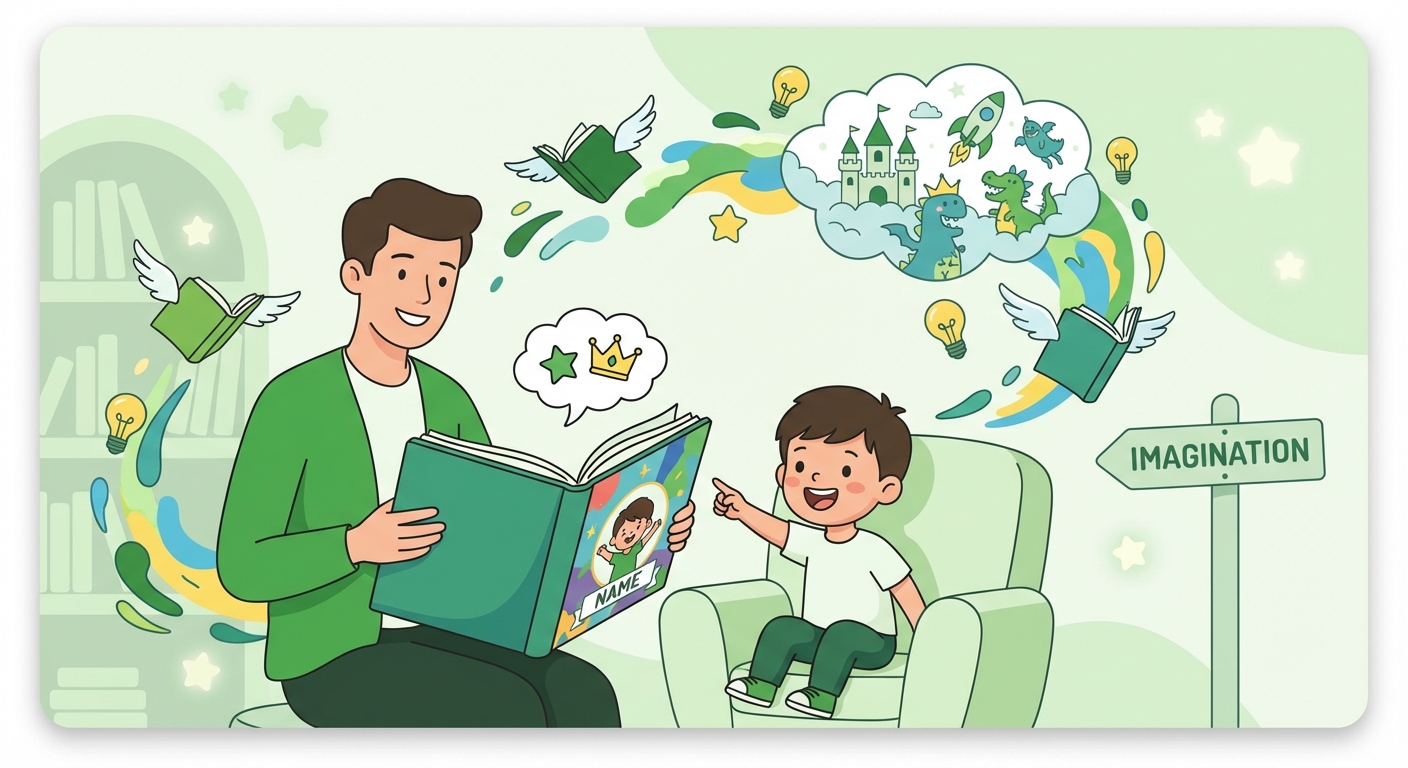
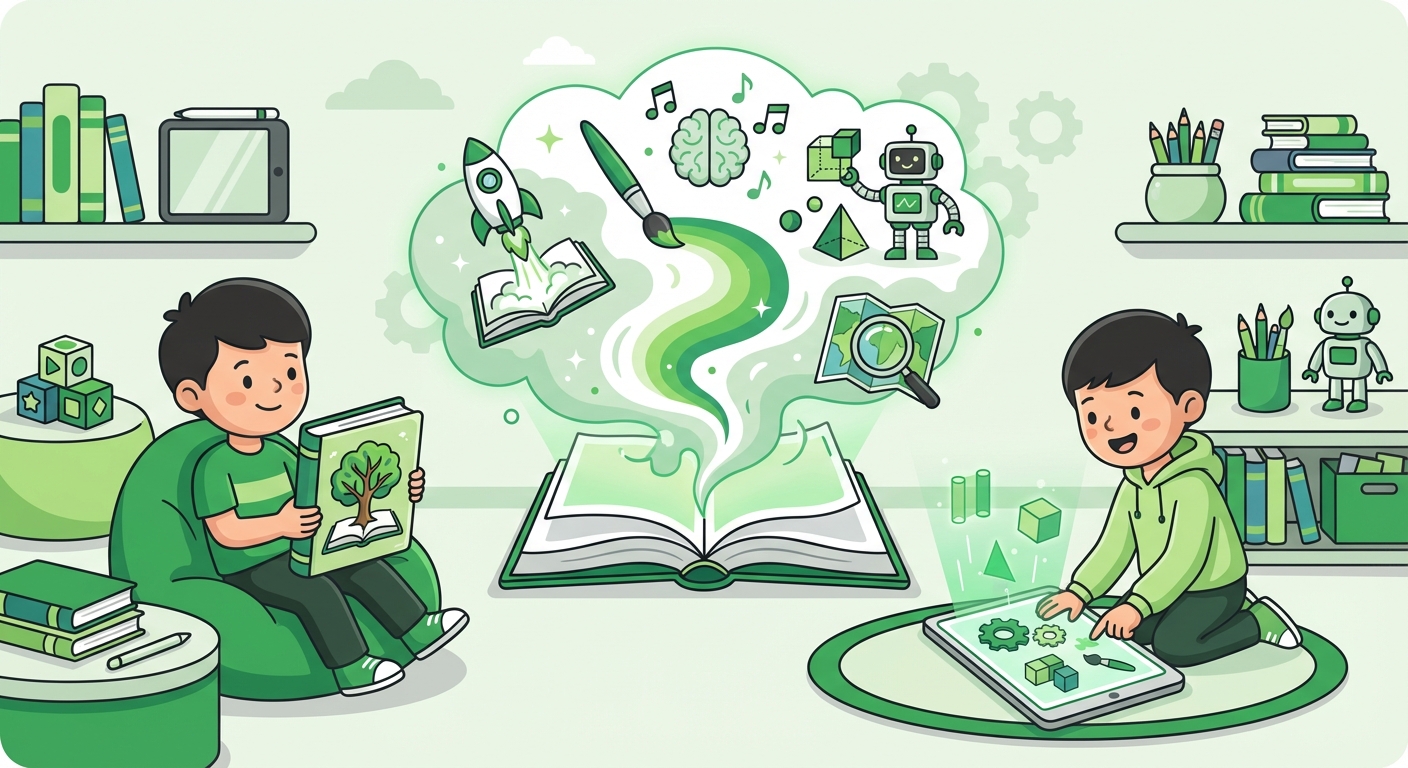
Topping our list is a revolutionary approach that places your child directly at the center of the story. LoveToRead.ai is an AI-powered platform that allows parents and educators to generate personalized storybooks in seconds. By creating custom avatars and choosing story themes, children become the heroes of their own adventures, a powerful catalyst for creative engagement. This direct involvement transforms reading from a passive activity into an active, imaginative exercise, making it one of the most effective tools for building creative confidence.
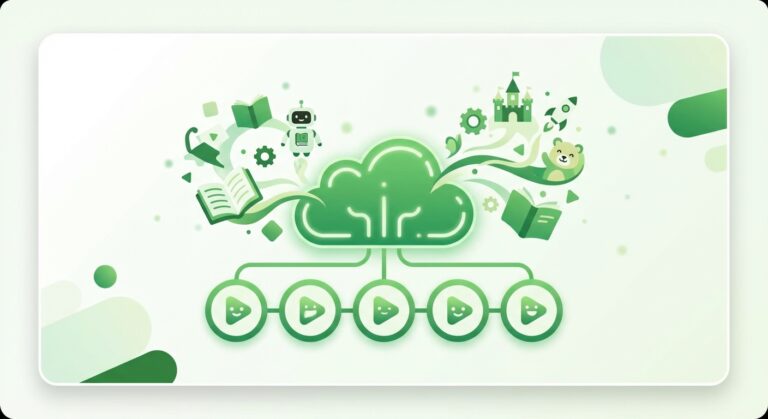
The platform’s strength lies in its blend of technology and personalization. Instead of just reading about a character, a child sees themselves navigating challenges, exploring magical lands, and achieving goals. This deepens their connection to the narrative and encourages them to think about what they would do in a given situation. The ability to generate new stories on demand keeps the experience fresh and exciting, providing an endless wellspring of inspiration. For those curious about the technology behind it, exploring Top 5 AI Story Generators for Children in 2026 can provide deeper insight.
Key Details:
- Age Range: Grades K-5
- Format: Digital (instant reading) and physical hardback books
- Pros: Highly personalized, fosters self-esteem, endless story possibilities, quick and easy to use.
- Cons: Requires a screen for story creation; subscription-based model.
2. The Book with No Pictures by B.J. Novak
This modern classic brilliantly demonstrates that imagination is more powerful than any illustration. As the title promises, the book contains no pictures, relying entirely on typography and the power of the spoken word to create a hilarious and engaging experience. The premise is simple: the person reading the book must say every word on the page, no matter how silly it is. This leads to the reader proclaiming absurdities like “BLUURF” and “I am a robot monkey,” much to a child’s delight.
The Book with No Pictures is one of the best kids books for creativity because it forces the child to become the illustrator in their own mind. Without visual cues, they must conjure their own images of a hippo singing “glug glug glug” or the nonsensical sounds filling the page. It teaches children that words have shape, rhythm, and power, and that the most vivid pictures are the ones they create themselves. This book is a masterclass in interactive reading that champions the pure, unadulterated power of imagination. To make your own reading sessions even more engaging, check out our guide on How to Make Reading Interactive for Kids (2026 Guide).
Key Details:
- Age Range: 4-8 years
- Format: Hardcover, Paperback, eBook
- Pros: Encourages visualization, hilarious for all ages, promotes a love of language.
- Cons: Most effective when read aloud with enthusiasm.
3. Harold and the Purple Crayon by Crockett Johnson
A timeless masterpiece first published in 1955, Harold and the Purple Crayon remains a cornerstone of creative literature for children. The story follows a small boy named Harold who, armed with only a purple crayon, draws his own world into existence. When he needs to go for a walk, he draws a path. When he gets hungry, he draws nine kinds of pie. Harold’s journey is a profound and simple illustration of how we can shape our own reality through ingenuity and imagination.
The book’s genius lies in its empowerment of the reader. It shows that you don’t need complex tools to be creative; a single idea (and a crayon) is enough to build an entire universe. This concept is fundamental to creative thinking and problem-solving. Harold doesn’t wait for an adventure to happen; he creates it. This narrative encourages children to be proactive, to see themselves as agents of creation, and to understand that the only limit is their own imagination. It’s a foundational text for any child learning the basics of world-building, a skill further explored in our post on How to Write a Storybook for Kids: A 2026 Guide.
Key Details:
- Age Range: 3-7 years
- Format: Board book, Hardcover, Paperback
- Pros: Timeless message, encourages problem-solving, simple yet powerful concept.
- Cons: The minimalist art style may not appeal to all modern readers.
4. Journey by Aaron Becker
Aaron Becker’s Caldecott Honor-winning book Journey is a stunning, wordless picture book that invites children to become the storytellers. It follows a lonely girl who draws a magical door on her bedroom wall and steps into a breathtaking world of adventure, danger, and friendship. With no text to guide them, readers must interpret the lush, detailed illustrations to piece together the narrative, making each reading a unique and personal experience.
This wordless format is an exceptional tool for fostering creative and narrative skills. Children are prompted to ask questions, make predictions, and articulate the characters’ emotions and motivations. They can narrate the story aloud, creating their own dialogue and sound effects, or simply let their minds wander through the intricate landscapes. Journey teaches visual literacy and shows that a compelling story can be told through images alone, encouraging children to pay attention to detail and construct meaning for themselves.
Key Details:
- Age Range: 4-9 years
- Format: Hardcover, Paperback
- Pros: Breathtaking illustrations, promotes narrative skills and visual literacy, can be “read” by pre-readers.
- Cons: Lack of text may frustrate some children or parents who prefer a guided story.
5. Beautiful Oops! by Barney Saltzberg
Creativity isn’t just about making something new; it’s also about resilience and the ability to adapt. Beautiful Oops! is a hands-on, interactive book that champions the idea that mistakes are not failures, but opportunities for creation. A tear in the paper becomes the mouth of an alligator, a smudge becomes a silly creature, and a spill becomes a new world to explore. Through lift-the-flaps, pop-ups, and other interactive elements, the book physically demonstrates how to turn an “oops” into a “wow.”
This book is essential for any child, especially those who may be hesitant to create for fear of not getting it “right.” It dismantles perfectionism and encourages a playful, experimental mindset. By reframing mistakes as happy accidents, Beautiful Oops! gives children the confidence to take creative risks. It teaches them that the creative process is often messy and unpredictable, and that some of the most wonderful discoveries come from the unexpected. This is a vital lesson that extends far beyond the art table.
Key Details:
- Age Range: 3-8 years
- Format: Interactive Board Book
- Pros: Teaches resilience and problem-solving, highly interactive and engaging, positive message about mistakes.
- Cons: Interactive elements can be fragile with very young children.
Choosing the Right Book to Nurture Imagination
When selecting a book to spark creativity, consider your child’s unique personality and interests. A child who loves to be the center of attention might thrive with a personalized story from LoveToRead.ai, while a quiet observer might prefer to get lost in the wordless world of Journey. The goal is to provide tools that meet them where they are and inspire them to take the next imaginative leap. For more ideas and reading lists, our Blog is updated regularly with new resources for parents and educators.
Conclusion: Building a Foundation for a Creative Future
Fostering a child’s imagination is one of the greatest gifts you can give them. The best kids books for creativity are those that do more than just tell a story—they invite participation, encourage new ways of thinking, and empower children to see themselves as creators. Whether it’s through the timeless journey of Harold and his purple crayon or a modern, AI-generated tale where they are the star, these books lay the groundwork for a lifetime of innovation and self-expression. By making a personalized book on a platform like LoveToRead.ai, you can take this a step further, transforming your child from a reader into the author of their own adventures.