How to Create Personalized Stories for Kids in 2026
Imagine your child’s eyes lighting up as they read a story where they are the brave knight, the clever scientist, or the magical adventurer. This isn’t just a fantasy; it’s the power of personalized storytelling. Learning how to create personalized stories is one of the most effective ways to foster a deep, lasting love for reading in young children. By placing them at the center of the narrative, you transform reading from a passive activity into an immersive, confidence-boosting experience.
In 2026, creating these custom tales is easier than ever before. Advanced tools and a clear strategy can help any parent or educator craft a story that resonates deeply with a child. This guide will walk you through the process step-by-step.
Why Personalized Stories Matter
Before we dive into the ‘how,’ let’s touch on the ‘why.’ When children see themselves as the hero, it validates their identity and experiences. Recent 2025 studies from the National Literacy Trust show that personalized content can increase a child’s reading engagement by up to 60%. These stories enhance comprehension, improve focus, and build self-esteem, making them a powerful educational tool.
Step 1: Define Your Hero
The foundation of any personalized story is a well-defined main character: the child. The more specific and relatable the details, the more a child will connect with the story.
Gather Key Characteristics
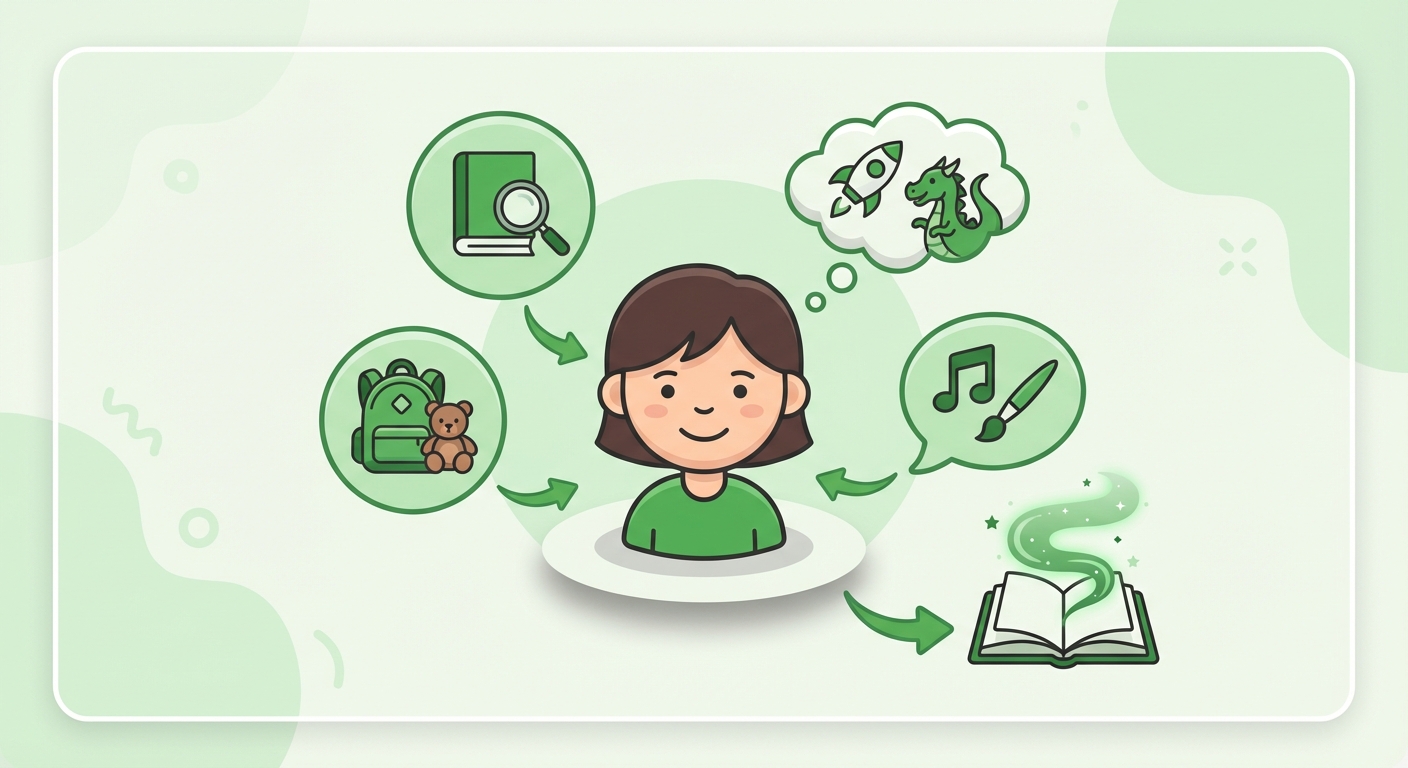
Start by listing the essential details that make your child unique:
- Name and Nicknames: Use the name they prefer to be called.
- Appearance: Mention their hair color, eye color, or a favorite outfit.
- Personality Traits: Are they brave, curious, funny, or kind? Weave these traits into the character’s actions.
- Favorites: Include their favorite food, animal, color, or toy.
- Friends and Family: Mentioning a best friend, sibling, or even a family pet can make the story world feel instantly familiar and safe.
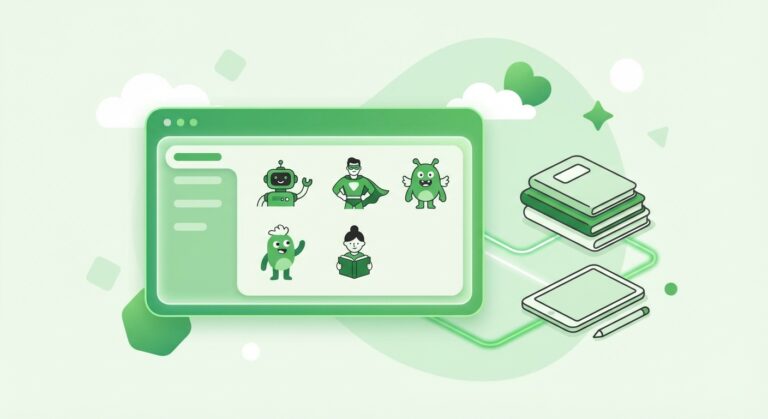
Pro-Tip: Platforms like LoveToRead.ai streamline this process by allowing you to build a character library. You can create a personalized avatar for your child, save their details, and easily insert them into new adventures, saving you time with every new story.
Step 2: Choose a Compelling Theme and Setting
Where will your child’s adventure take place? The theme and setting should align with their current interests. If they are fascinated by dinosaurs, a prehistoric jungle is a perfect backdrop. If they dream of stars, a journey through the galaxy will capture their imagination.
Consider themes that also teach a gentle lesson, such as:
- The importance of friendship
- Overcoming a fear
- The joy of discovery
- The power of kindness
Tailoring the theme to the child’s interests ensures they are immediately hooked and invested in the story’s outcome.
Step 3: Outline a Simple Narrative Arc
A good story, no matter how simple, needs structure. You don’t need a complex plot, just a clear beginning, middle, and end. This structure helps children understand story progression and builds their narrative skills.
The Beginning: Introduce the hero (your child) and their world. Present a small problem or a call to adventure. Example: Maya was playing in her backyard when she found a mysterious, sparkling key.*
The Middle: The hero faces a challenge or two. This is where they use their unique traits to navigate the situation. Example: The key opened a tiny door in the old oak tree, leading to a magical forest. But a grumpy gnome blocked the path and demanded a riddle be solved.*
The End: The hero solves the problem, achieves their goal, and learns something along the way. Example: Maya used her cleverness to solve the riddle, befriended the gnome, and discovered a hidden treasure of glowing acorns.*
For a more in-depth look at structuring children’s narratives, our How to Write a Storybook for Kids: A 2026 Guide is an excellent resource.
Step 4: Weave in Personal Details
This is where the real magic happens. Sprinkle specific, personal details throughout the narrative you’ve outlined. These are the elements that make the story uniquely theirs.
- Did your family just visit the beach? Have the story’s adventure start by finding a magic shell on the sand.
- Is their favorite stuffed animal a bear named Barnaby? Make Barnaby a talking sidekick in the story.
- Do they love eating blueberry pancakes for breakfast? Start the story with the hero eating that exact meal to power up for their big day.
These small touches create powerful connections and make the child feel truly seen.
Step 5: Bring the Story to Life with Technology
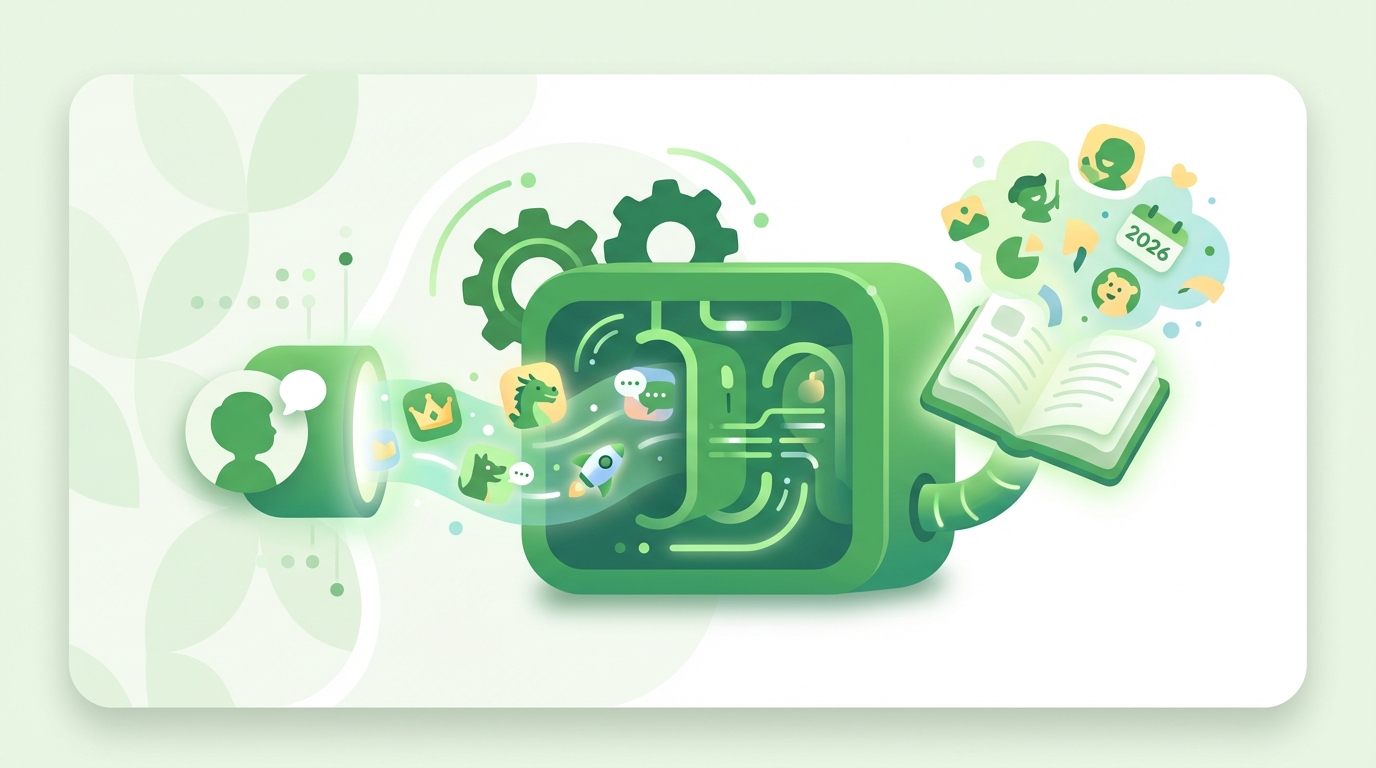
In 2026, you don’t have to be a professional author to create a polished, engaging story. AI-powered platforms have made it incredibly simple to turn your ideas into a finished product. These tools can help with everything from generating plot points to writing the entire narrative based on your prompts.
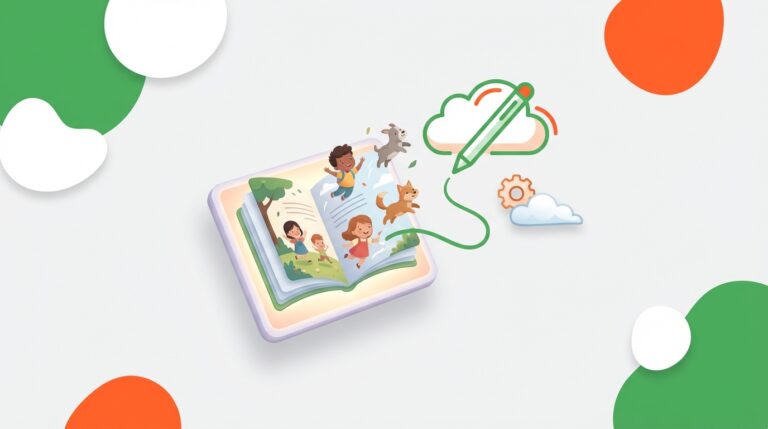
This is the fastest and most efficient method for busy parents and educators wondering how to create personalized stories without spending hours writing. For instance, LoveToRead.ai uses advanced AI to generate a complete, illustrated story in as little as 30 seconds. You simply input the character details and story theme, and the platform handles the rest. This approach combines your personal touch with the power of technology. To learn more about the technology, check out our guide on how to use AI for storytelling: a 2026 guide.
These platforms are a fantastic way to produce high-quality content quickly, which is why many feature on lists of the top 5 AI story generators for children in 2026.
Step 6: Add Custom Illustrations
Visuals are critical for young readers (grades K-5). Illustrations help them visualize the world, understand the emotional tone, and stay engaged with the text. Modern personalization platforms can generate custom illustrations that feature an avatar that looks just like your child, wearing their favorite clothes and exploring the world you’ve created. This visual representation is a powerful final touch that solidifies their place as the hero of the story.
Common Mistakes to Avoid
As you create your story, watch out for these common pitfalls:
- Overstuffing Details: Including too many personal details can make the story feel like a list of facts rather than a flowing narrative. Pick a few key elements to highlight.
- Neglecting the Plot: The personalization is important, but it needs to be in service of a good story. Make sure there’s a clear problem and resolution.
- Making the Moral Too Obvious: Children learn best through experience, even a fictional one. Let the lesson emerge naturally from the character’s actions rather than stating it plainly at the end.
- Ignoring the Child’s Input: If the child is old enough, ask them for ideas! Let them help choose the theme or name a supporting character. This co-creation makes the final product even more special.
Expected Outcomes: A Cherished Story and a Confident Reader
By following these steps, you will create more than just a story. You will have a powerful tool for connection and education. The expected outcome is a child who is more excited to read, more confident in their own abilities, and who possesses a cherished keepsake that they’ll remember for years to come.
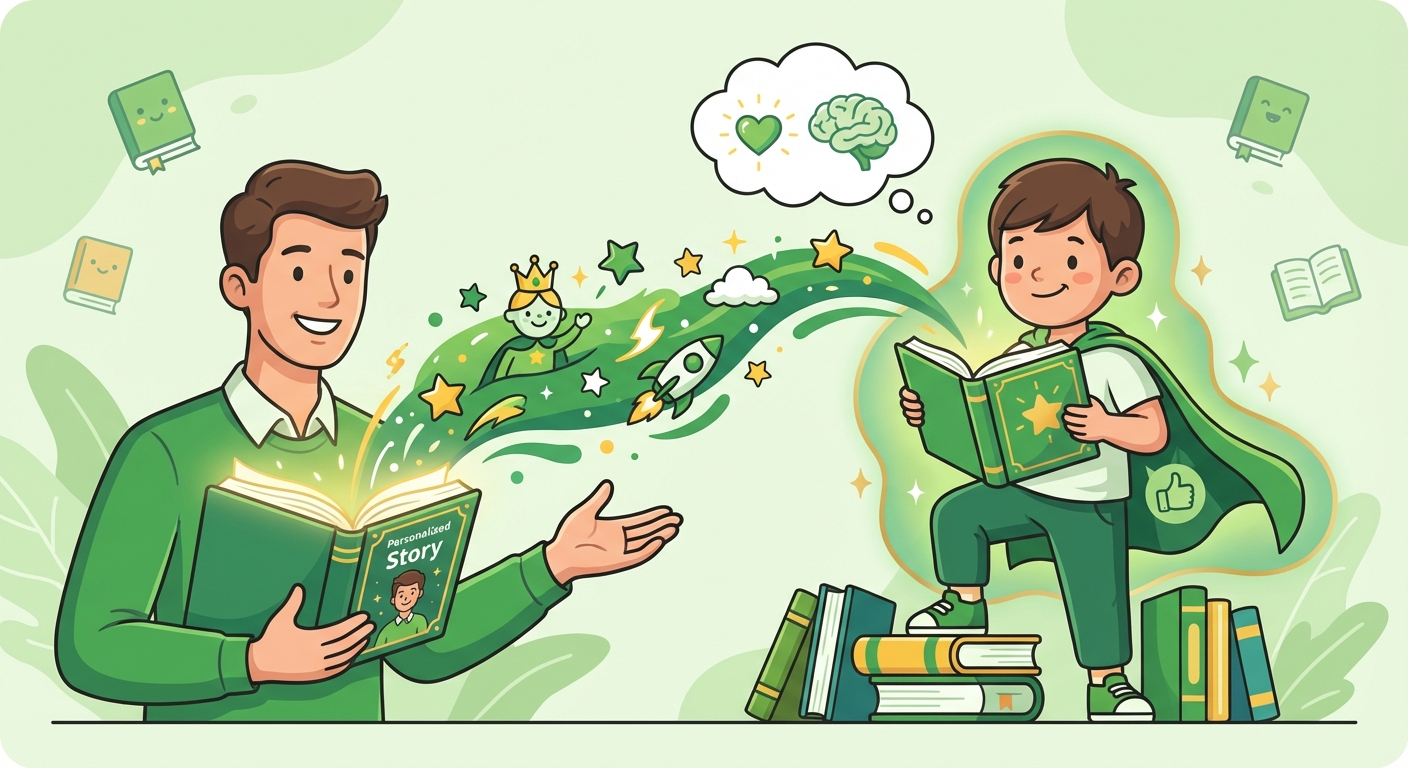
Whether you read the story online or order a beautifully printed hardback book, the experience of being the hero will have a lasting positive impact on their relationship with reading.
Your Storytelling Adventure Awaits
Learning how to create personalized stories is a rewarding journey that puts the child at the heart of the narrative. By defining your hero, choosing an engaging theme, structuring a simple plot, and using modern tools to bring it all to life, you can craft an unforgettable reading experience.
For those ready to create a magical story in minutes, platforms like LoveToRead.ai offer the perfect blend of personalization and convenience. Explore some of the 5 best custom children’s books online (2026 guide) and start building your child’s next great adventure today.