How to Enhance Children’s Literacy: A 2026 Guide
In our fast-paced, digital world of 2026, fostering strong literacy skills in children is more critical than ever. Strong literacy is the foundation for academic success, critical thinking, and a lifelong love of learning. This guide provides a clear, step-by-step approach on how to enhance children’s literacy, turning reading from a simple task into a cherished adventure.
Why is this so important? According to the latest 2025 National Assessment of Educational Progress (NAEP) report, a significant portion of elementary students are still reading below their grade level. The good news is that parents and educators have an incredible array of tools and strategies at their disposal to change this narrative. By creating engaging, personalized, and consistent reading experiences, we can empower the next generation of readers.
Step 1: Cultivate a Reading-Rich Environment
The first step to fostering literacy is to make reading a visible and valued part of daily life. Children are highly influenced by their surroundings, and an environment filled with books sends a powerful message that reading is important and enjoyable.
How to Create This Environment
- Build a Home Library: You don’t need hundreds of books, but a diverse and accessible collection is key. Include fiction, non-fiction, picture books, and chapter books. Visit local libraries and second-hand bookstores to build your collection affordably.
- Create a Cozy Reading Nook: Designate a special, comfortable corner for reading. A beanbag chair, good lighting, and a small bookshelf can make reading feel like a special treat rather than a chore.
- Lead by Example: Let your children see you reading. When they see you enjoying a book, magazine, or even an article on a tablet, it normalizes reading as a leisure activity for adults, not just a school requirement for kids.
Tip: Keep books in multiple rooms. A basket of books in the living room or even in the car can encourage spontaneous reading sessions.
Step 2: Establish a Consistent Daily Reading Routine
Consistency is the engine of habit formation. Integrating reading into your child’s daily schedule helps establish it as a non-negotiable and pleasant part of their day. Just 15-20 minutes of focused reading time each day can have a massive impact on vocabulary and comprehension.
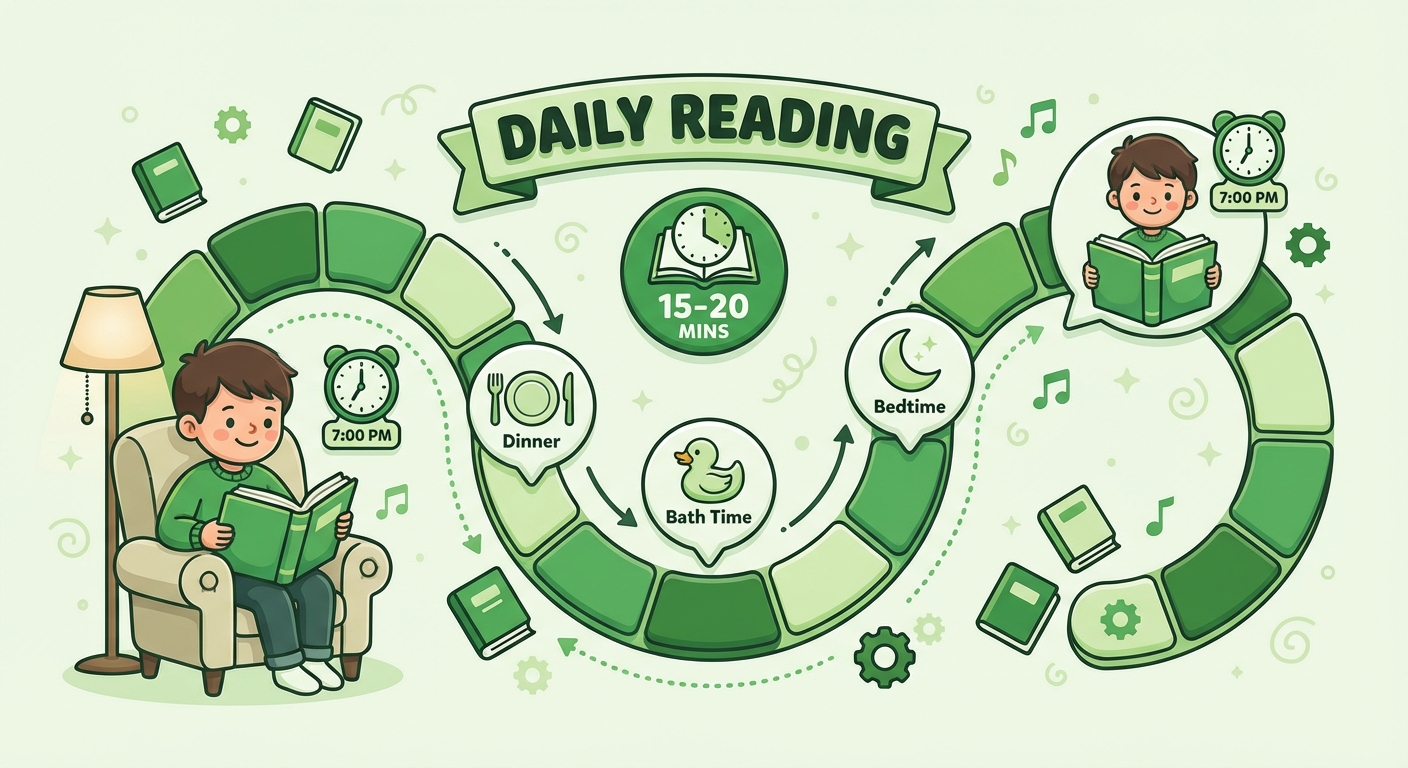
Choose a time that works best for your family’s schedule. For many, a bedtime story is a classic and effective routine. It’s a calming activity that promotes bonding and ends the day on a positive note. For others, reading after school or in the morning might be a better fit. The specific time is less important than the consistency.
Step 3: Make Reading an Interactive Experience
Passive reading is good, but active engagement is where deep learning happens. To truly enhance your child’s literacy, you must move beyond simply decoding words on a page and dive into the world of the story together.
Techniques for Interactive Reading
- Ask Open-Ended Questions: Before, during, and after reading, ask questions that encourage thinking. “What do you think will happen next?” “Why do you think the character did that?” “How would you feel if that happened to you?”
- Discuss Vocabulary: When you encounter a new word, don’t just skip it. Take a moment to define it and use it in another sentence. This active vocabulary building is crucial for comprehension.
- Connect to Their Lives: Relate the story’s events, characters, or themes to your child’s own experiences. This makes the material more relatable and memorable.
For more ideas on this topic, our guide on how to make reading interactive for kids offers dozens of practical tips.
Step 4: Personalize the Reading Journey
One of the most powerful motivators for a child is seeing themselves in the world around them. This is especially true for books. When a child can identify with the main character, their engagement level skyrockets. In 2026, technology has made this easier than ever.
Platforms like LoveToRead.ai are transforming how children connect with stories. By allowing you to create personalized storybooks where your child is the hero, these tools make reading deeply personal. Your child can see their own name and a custom avatar in a beautifully illustrated tale, conquering challenges and embarking on exciting adventures. This direct representation builds confidence and a profound, positive association with books. When a child is the star, they are far more invested in the story’s outcome.
Personalization shows children that stories aren’t just about other people; they can be about them, too. This is a game-changer for reluctant readers. For more options, explore some of the best AI personalized books available today.
Step 5: Leverage Modern Technology Wisely
While we want to manage screen time, technology offers incredible tools to support literacy when used thoughtfully. The key is to choose high-quality, educational resources that supplement, rather than replace, traditional reading.
Smart Tech for Young Readers
- E-books and Library Apps: Services like Libby or Hoopla allow you to borrow e-books and audiobooks for free from your local library.
- Audiobooks: These are fantastic for developing listening comprehension, vocabulary, and an appreciation for storytelling, especially during car rides or quiet time.
- AI Story Generators: As mentioned, tools like LoveToRead.ai use artificial intelligence to craft unique stories. This not only engages children but also introduces them to how modern technology can be a creative force. Exploring AI story generators for children can open up a new world of literary fun.
Warning: Always vet apps and websites to ensure they are age-appropriate, free of excessive ads, and genuinely educational.
Common Mistakes to Avoid
As you work on how to enhance children’s literacy, it’s easy to make a few common missteps. Being aware of them can help you keep the process positive and productive.
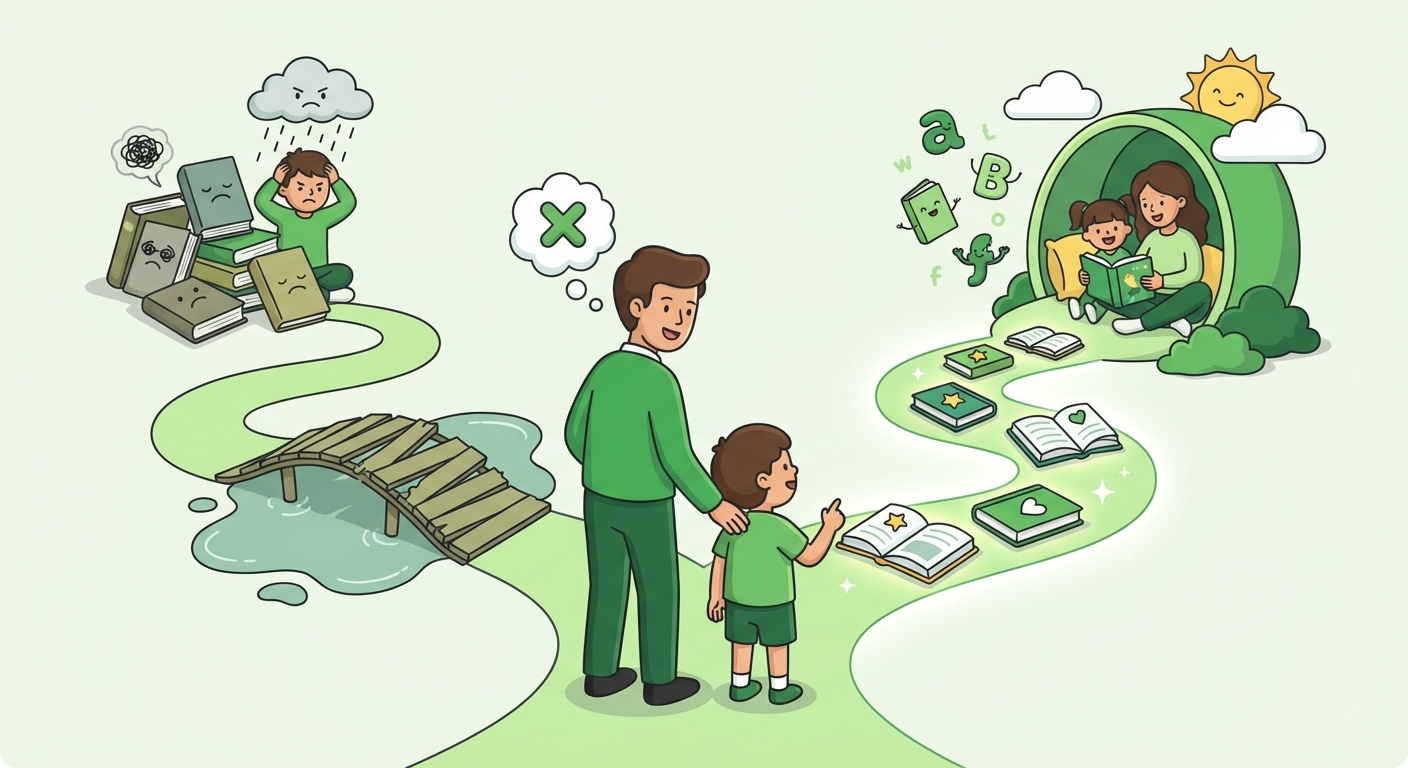
- Forcing Reading: Never use reading as a punishment or force a child to read when they are tired or frustrated. This creates negative associations.
- Sticking to One Genre: Encourage exploration. If your child only wants to read graphic novels or books about dinosaurs, that’s okay! All reading is good reading. Branch out slowly from their interests.
- Over-Correcting: When a child is reading aloud, resist the urge to correct every single mistake. This can damage their confidence. Focus on comprehension and enjoyment, offering gentle corrections only when a mistake changes the meaning of the story.
- Choosing Books That Are Too Hard: While it’s good to challenge a child, a book that is far above their reading level will only lead to frustration. Use the “five-finger rule”: if they don’t know five or more words on one page, the book is likely too difficult for independent reading.
Expected Results and Outcomes
By consistently applying these steps, you are not just teaching a child to read; you are building a reader for life. The outcomes of this investment are profound and far-reaching.
You can expect to see:
- Improved Vocabulary and Language Skills: Exposure to diverse texts naturally expands a child’s vocabulary.
- Enhanced Comprehension and Critical Thinking: Interactive reading teaches children to think deeply about what they read.
- Greater Empathy and Emotional Intelligence: Stories are windows into other lives and experiences, fostering empathy.
- Increased Academic Performance: Strong literacy skills are the foundation for success across all school subjects.
- A Genuine Love for Reading: The ultimate goal is to make reading a source of pleasure and curiosity that will last a lifetime.
Enhancing your child’s literacy is a rewarding journey that pays lifelong dividends. By creating a supportive environment, establishing routines, and using modern tools to make reading personal and fun, you give your child one of the greatest gifts possible. Tools that put your child at the center of the story, like the personalized books from LoveToRead.ai, can be an incredibly effective part of this strategy, turning every reading session into a memorable adventure.