How to Get Kids Excited About Reading With AI
How to Get Kids Excited About Reading With AI: A Step-by-Step Guide
In a world filled with captivating video games and endless streaming content, encouraging a child to pick up a book can feel like an uphill battle. But what if you could use the same technology that powers their favorite apps to ignite a passion for stories? This guide will show you how to get kids excited about reading with AI, transforming screen time into a powerful tool for literacy and imagination.
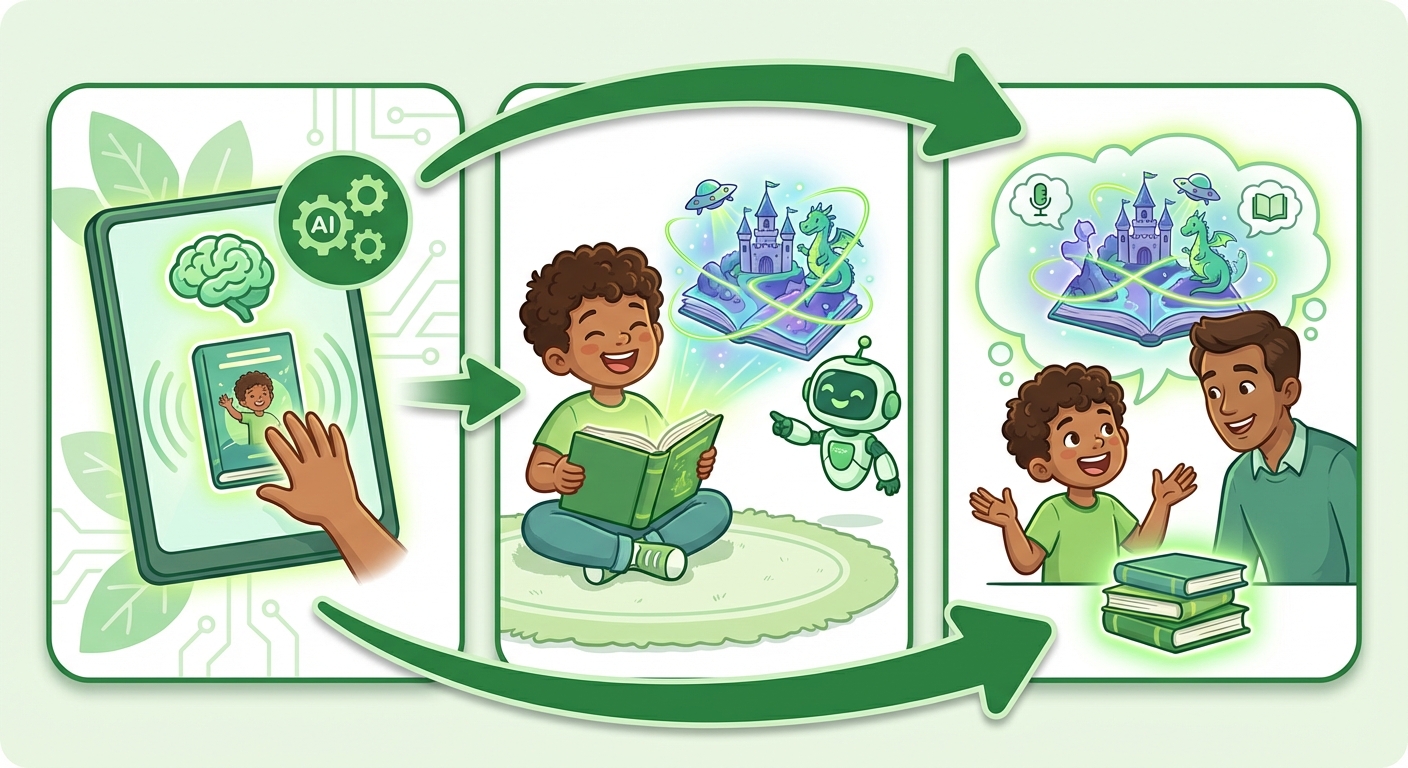
Artificial intelligence is no longer just a futuristic concept; it’s a practical and accessible tool that can create deeply personal and engaging reading experiences. By leveraging AI, you can turn your child from a passive reader into the active hero of their own literary adventure, fostering a love for reading that lasts a lifetime.
Why Use AI to Encourage Reading?
Before we dive into the steps, it’s important to understand why AI is such a game-changer for young readers. Traditional books offer a one-size-fits-all experience, but AI introduces a new level of dynamic interaction.
- Deep Personalization: AI can craft stories around your child’s name, interests, and even their friends, making the narrative instantly relatable and compelling.
- Enhanced Engagement: Interactive elements, custom illustrations, and co-creation turn reading from a solitary activity into a collaborative adventure.
- Boosted Creativity: When children see their own ideas come to life in a story, it empowers them to think creatively and develop their own narrative skills.
Step 1: Start with Hyper-Personalization
The fastest way to capture a child’s attention is to make the story about them. AI excels at creating customized content that speaks directly to a child’s world.
First, talk to your child about their current passions. Are they obsessed with unicorns, brave knights, or exploring outer space? Make a list of their favorite things, including their best friend’s name, their pet, and their favorite activities.
Next, use an AI storytelling platform to weave these elements into a unique tale. Platforms like LoveToRead.ai are specifically designed for this, allowing you to cast your child as the main character in a story generated in seconds. When a child sees their own name on the page, embarking on an adventure they helped inspire, their investment in the story skyrockets.
Pro-Tip: Some services allow you to build a character library with details about your child, their friends, and family. This saves you time and allows you to quickly generate new stories featuring a familiar cast of characters.
Step 2: Co-Create Stories Together
AI offers a unique opportunity for collaborative storytelling. Instead of simply presenting a finished book to your child, invite them to be part of the creation process. This collaborative effort gives them a sense of ownership and pride.
Set aside some time to brainstorm together. Sit with your child and ask open-ended questions to spark their imagination:
- “What if a talking squirrel needed your help to find a hidden treasure?”
- “Where would you go if you had a magical spaceship?”
- “What kind of superpower would our dog have?”
Use their answers as prompts for an AI story generator. Type their ideas into the tool and watch as the AI crafts a narrative around their concepts. This process demonstrates the power of their imagination and reinforces the connection between ideas and written words.
Warning: Always supervise your child’s use of AI tools. While many platforms have content filters, it’s crucial to review any generated story to ensure it is age-appropriate and aligns with your family’s values.
Step 3: Leverage AI-Powered Illustrations
For children in grades K-5, illustrations are just as important as the text. Visuals help them decode the story, understand the emotional context, and stay engaged. Modern AI tools can generate custom illustrations that perfectly match the personalized story you’ve created.
As you read the AI-generated text together, ask your child to describe what they are picturing. Use these descriptions to prompt an AI image generator. If the story describes your child riding a friendly dragon over a candy castle, you can create that exact image. This visual feedback makes the story world more vivid and concrete, improving comprehension and making the experience more magical.
Pro-Tip: Print the custom illustrations and create a coloring book based on your child’s unique stories. This is a fantastic hands-on activity that extends the fun beyond the screen.
Step 4: Bridge the Digital and Physical Worlds
While AI tools are digital, the goal is to foster a love for reading in all its forms. The tactile experience of holding a physical book is invaluable. It helps reduce screen fatigue and creates opportunities for cherished reading rituals, like cuddling up for a bedtime story.
Look for AI platforms that offer print-on-demand services. After you’ve perfected a story and its illustrations, you can order it as a professionally printed book. Presenting your child with a high-quality hardback book featuring them as the star is an incredibly powerful experience. It validates their creativity and makes them feel like a real author, creating a positive and lasting memory associated with books.
Step 5: Explore Interactive AI Reading Companions
Beyond story generation, AI can also act as an interactive reading tutor. There are many educational apps that use AI to help children build foundational literacy skills in a fun, game-like environment.
Look for features such as:
- AI-powered read-alouds that highlight words as they are spoken.
- Interactive comprehension quizzes that adapt to your child’s skill level.
- Vocabulary builders that provide kid-friendly definitions of new words in context.
These tools can supplement your shared reading time and provide your child with a way to practice their skills independently.
Common Mistakes to Avoid
As you explore how to get kids excited about reading with AI, be mindful of these common pitfalls:
- Relying on AI Exclusively: AI should be a supplement, not a substitute, for traditional reading and quality time with a parent. The human connection is still the most important ingredient.
Ignoring Your Child’s Input: The personalization is what makes it special. Avoid creating stories for* your child without their collaboration.
- Staying Purely Digital: Don’t forget the importance of physical books. The goal is to cultivate a love for reading in all formats.
- Lack of Supervision: Never let a young child use generative AI tools without a trusted adult present to guide the experience and vet the content.
Expected Outcomes: From Reluctant Reader to Avid Storyteller
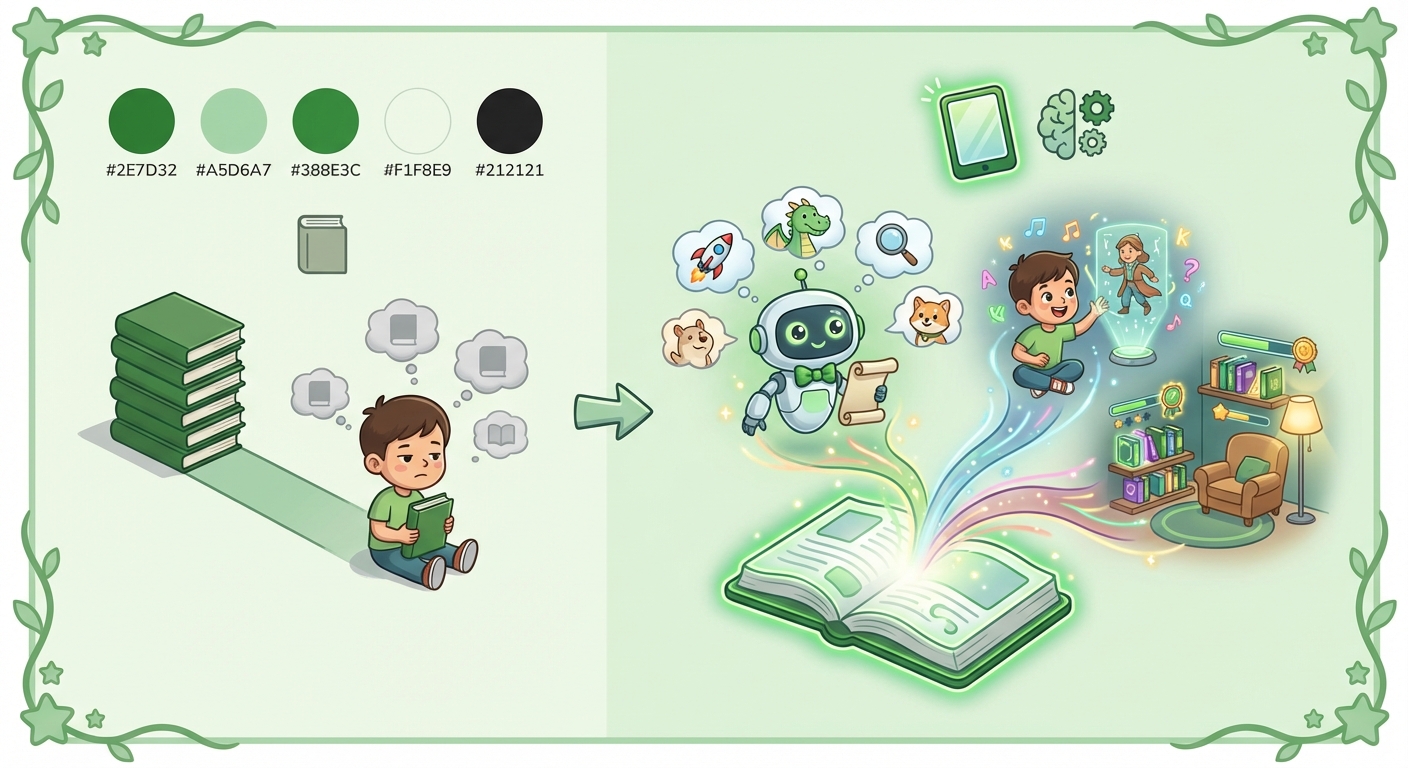
By thoughtfully integrating AI into your child’s reading journey, you can expect to see a remarkable transformation. Children who were once reluctant to read may become eager to see what new adventure they can create next.
This approach helps build a strong, positive association with reading, viewing it as a creative and exciting activity rather than a chore. You are not only boosting their vocabulary and comprehension skills but also nurturing their imagination and self-confidence. The ultimate outcome is a child who is equipped and inspired to be a lifelong reader.
Conclusion: Your Partner in a New Chapter of Reading
Navigating the digital age as a parent or educator requires creative solutions. AI offers a powerful and innovative way to meet children where they are, using technology to guide them toward the timeless magic of storytelling. By personalizing narratives, co-creating adventures, and bringing their ideas to life with custom illustrations, you can unlock a new level of engagement.
By following these steps, you can harness the power of AI to transform reading from a simple activity into an unforgettable experience. Start creating personalized stories today and watch your child’s love for reading blossom into their very own happily ever after.