Personalized Children’s Books Guide: A 2026 How-To
In a world saturated with digital distractions, sparking a child’s love for reading can feel like a monumental task. Yet, the solution might be simpler and more magical than you think. Imagine a book where your child is not just the reader, but the hero of the story. This is the power of personalization, and this comprehensive personalized children’s books guide will walk you through creating a one-of-a-kind literary adventure for your little one.
Personalized books have been shown to significantly boost reading comprehension and engagement. A 2026 study from the National Literacy Trust found that children who read personalized stories are 40% more likely to read above their expected grade level. By placing a child directly into the narrative, we transform reading from a passive activity into an immersive, self-affirming experience. This guide will provide a clear, step-by-step process to help you create a book that will be cherished for years to come.
Step 1: Identify Your Goal and Your Reader
Before you start customizing, take a moment to define your purpose. The most successful personalized books are created with a clear intention. Are you creating a book to celebrate a birthday, teach a moral lesson, or simply make bedtime stories more exciting?
Consider the child’s specific needs and interests:
- Age and Reading Level: A book for a kindergartener will have simpler sentence structures and more illustrations than one for a fifth-grader. Ensure the vocabulary and story complexity are age-appropriate. For inspiration, you can explore the 5 best personalized books for different ages (2026 Guide).
- Interests and Passions: Does the child love dinosaurs, outer space, or magical unicorns? Choosing a theme that aligns with their passions is the first step to capturing their imagination.
- The Occasion: Is this a gift for a holiday, a tool to help with a new experience like starting school, or a way to build confidence? Your goal will shape the story’s tone and message.
Step 2: Choose the Right Personalization Platform
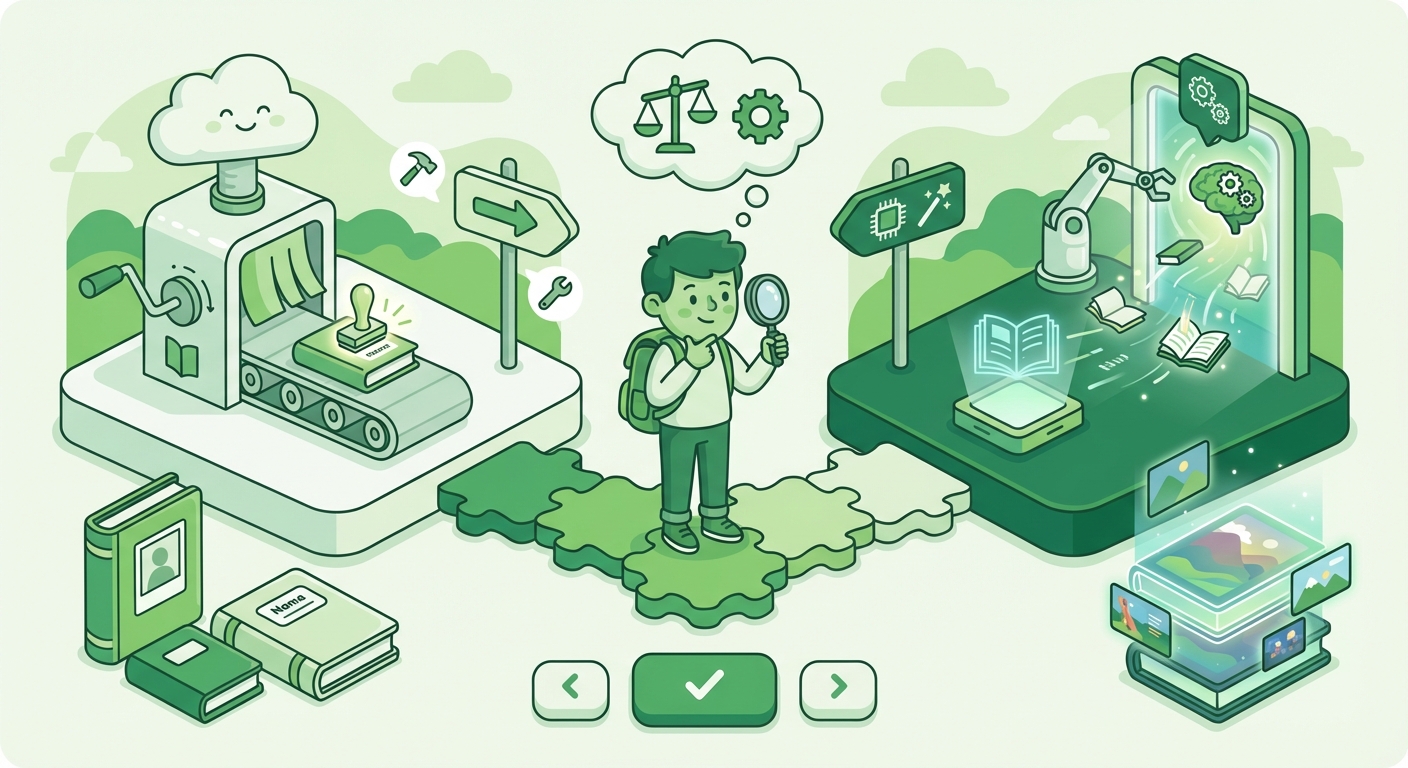
In 2026, the options for creating custom books are vast, ranging from simple name-replacement templates to highly advanced, AI-driven platforms. The right platform depends on your desired level of customization, budget, and how much time you want to invest.
Look for these key features:
- Ease of Use: The process should be intuitive and enjoyable. Platforms like LoveToRead.ai are designed for speed and simplicity, allowing you to generate a unique, illustrated story in as little as 30 seconds.
- Customization Options: How much can you truly personalize? Top-tier services allow you to customize the hero’s name, appearance (hair, skin tone, eye color), and even incorporate friends or family members into the story.
- Illustration Quality: The art style should be engaging and high-quality. AI-generated illustrations have made remarkable progress, offering unique and vibrant visuals tailored to your story. For more on this, check out our guide to a children’s book with custom illustrations.
- Output Formats: Can you read the book instantly online, or do you have the option to order a beautifully printed hardback copy? Flexibility is a major plus.
Step 3: Create a Relatable and Inspiring Hero
This is where the magic truly begins. You are crafting a character that the child can see themselves in. Go beyond just adding their name.
Building the Avatar
Modern platforms allow for detailed visual customization. Spend time creating an avatar that genuinely resembles the child. This visual representation is a powerful tool for engagement. Many parents find it helpful to build a collection of avatars for different stories. LoveToRead.ai’s platform lets you how to create a character library: a 2026 guide so your child can easily star in new adventures.
Weaving in Personality
If the platform allows, incorporate small, personal details into the story. Mention their favorite food, their best friend’s name, or a beloved pet. These subtle touches make the story deeply personal and show the child they are truly seen and understood.
Pro Tip: Involve your child in the creation process! Letting them choose their avatar’s outfit or the story’s theme gives them a sense of ownership and builds excitement for the final product.
Step 4: Select a Story and Theme
With your hero ready, it’s time to choose their adventure. Most platforms offer a library of story templates or themes. Select a narrative that resonates with your goal from Step 1.
- For Building Confidence: Choose a story where the main character overcomes a challenge through bravery or cleverness.
- For Learning: Look for themes that teach about friendship, sharing, or exploring the natural world.
- For Pure Fun: Sometimes, the best story is a silly, imaginative romp through a fantasy land. Don’t underestimate the power of a good laugh!
Step 5: Review and Refine Your Creation
Before you finalize your order or save the digital version, do a thorough review. Read the entire story aloud to check for flow and rhythm. Ensure all personalized details have been inserted correctly.
Pay close attention to the illustrations. Do they match the story’s tone? Does the hero avatar appear consistently throughout the book? A final check ensures the finished product is polished and professional.
Warning: Double-check the spelling of all names and personalized details. A simple typo can break the immersive experience for a child.
Common Mistakes to Avoid
Creating a personalized book is a rewarding process, but a few common pitfalls can diminish the final result. Here’s what to watch out for:
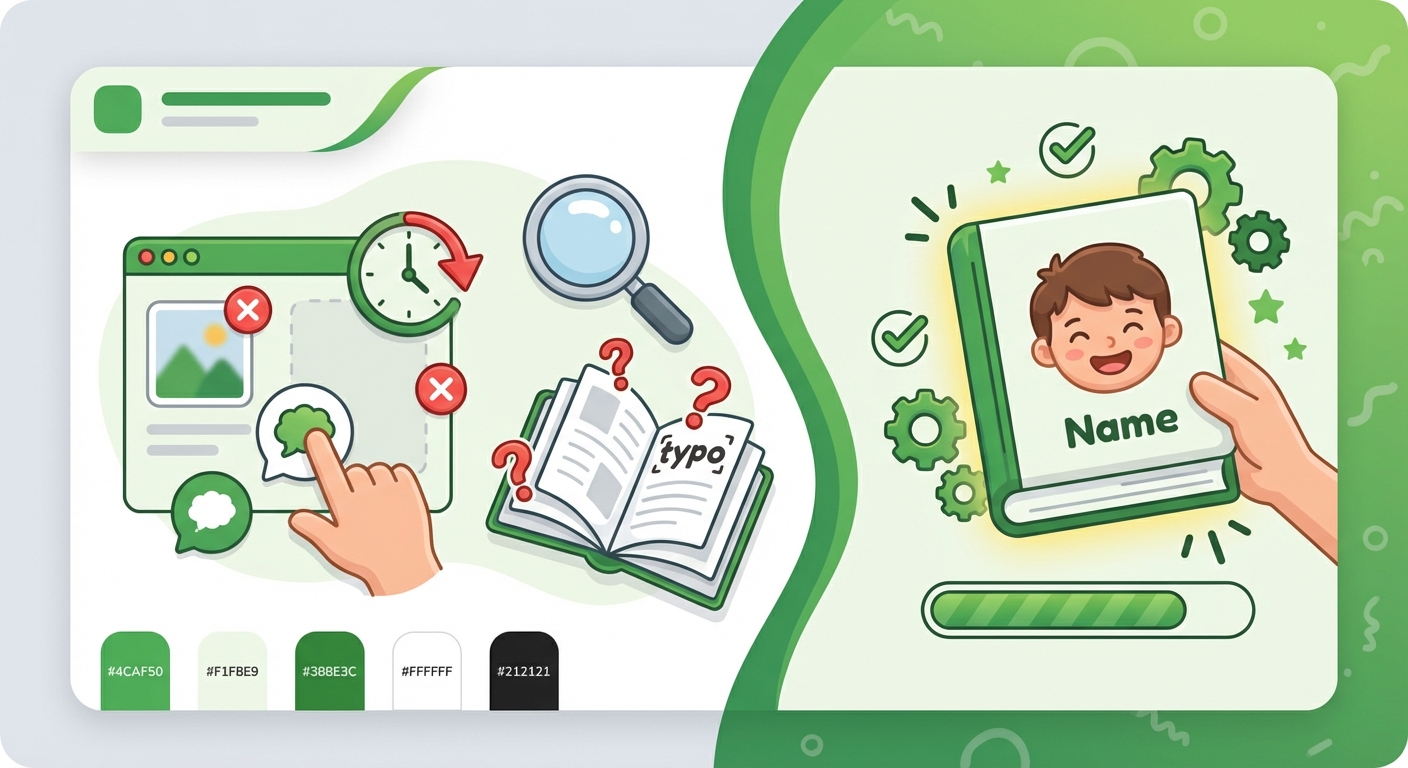
- Making It Too Complicated: Avoid overly complex plots or mature themes that are not age-appropriate. The goal is to engage, not confuse.
- Forgetting the ‘Fun’ Factor: While educational books are valuable, remember that stories should also be entertaining. A book that feels like a lecture will quickly lose a child’s interest.
- Poor Quality Visuals: Don’t settle for a platform with generic or low-resolution illustrations. The art is just as important as the words.
- Ignoring the Child’s Input: If the child is old enough, failing to include them in the creation process is a missed opportunity for connection and excitement.
The Expected Outcome: A Gateway to a Lifelong Love of Reading
By following this personalized children’s books guide, you will create more than just a book. You will create a treasured keepsake that validates a child’s identity and shows them they are important enough to be the hero of their own story. The expected outcome is a highly engaged young reader who feels a deep, personal connection to the stories they read.
This positive association with books can foster improved literacy skills, boost self-esteem, and lay the foundation for a lifelong passion for reading. Whether you read it together online or turn the pages of a physical copy, the experience is one your child will never forget.
Ready to turn your child into a storybook hero? With advanced, user-friendly tools, creating a stunningly illustrated and deeply personal story has never been easier. Platforms like LoveToRead.ai leverage AI to help you craft these magical experiences in minutes, providing a perfect entry point into the world of personalized reading.