Top 5 Engaging Story Books for Kids in 2025
In a world brimming with digital distractions, finding truly engaging story books for kids can feel like a modern-day quest. Yet, the magic of a captivating story remains one of the most powerful tools for a child’s development, fostering empathy, expanding vocabulary, and igniting a lifelong love of learning. The power of a good story is immense, and fostering a love of reading from a young age is one of the greatest gifts we can give. To help you on this journey, we’ve curated a list of the most innovative and compelling storybook options available for children in 2025.
1. LoveToRead.ai: AI-Powered Personalized Adventures
At the forefront of modern storytelling is LoveToRead.ai, a platform that transforms the reading experience by placing your child directly at the center of the narrative. This isn’t just about adding a name to a pre-written book; it’s about using sophisticated AI to generate completely unique stories and illustrations where your child is the hero. Parents and children can create a custom character, complete with their likeness and interests, and then watch as the AI crafts a tale tailored specifically for them. This level of personalization makes reading an incredibly immersive and empowering experience for kids in grades K-5.
The platform is designed for ease of use, allowing you to generate a new story in minutes. You can read these adventures instantly online or choose to order a beautifully printed hardback book, creating a lasting keepsake. The ability to create a library of characters—including friends, family, and even pets—means the storytelling possibilities are endless. This approach not only holds a child’s attention but also significantly boosts their self-esteem and interest in reading, as explored in the key benefits of personalized storybooks.
Key Details
- Best For: Children in grades K-5 who love seeing themselves in stories; parents looking for a modern, highly engaging reading tool.
- Pros: Creates truly unique, personalized stories and illustrations; offers both instant digital and physical book options; highly engaging for reluctant readers.
- Cons: The creation process requires some screen time; based on a credit system after the free trial.
2. Wonderbly: Beautifully Illustrated Personalized Classics
Wonderbly has been a major player in the personalized book market for years, and their offerings remain some of the most beautifully crafted on the market. While LoveToRead.ai uses AI for boundless story generation, Wonderbly focuses on personalizing a curated selection of high-quality, pre-written narratives. Their books, like the classic “The Little Boy or Girl Who Lost Their Name,” weave a child’s name into the fabric of the story, creating a magical journey of discovery.
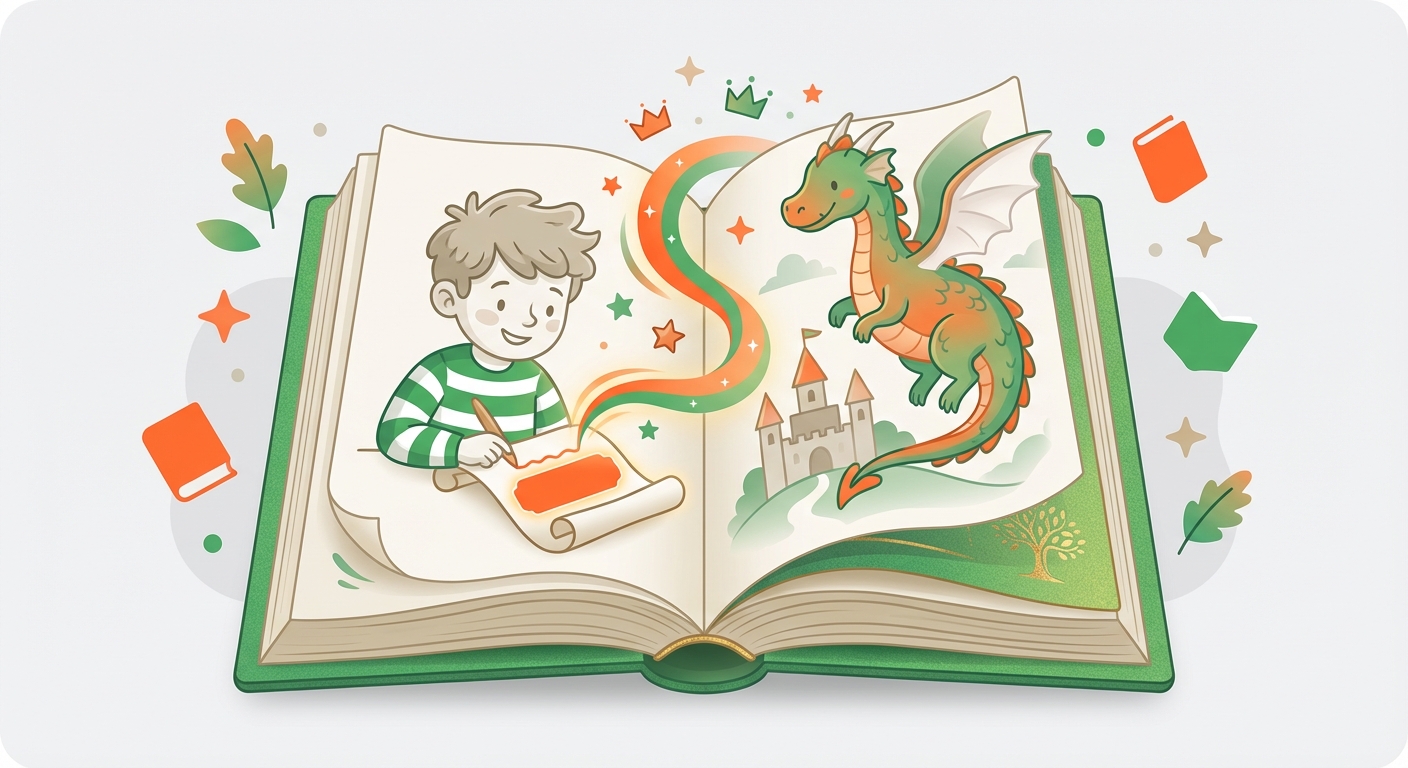
The standout feature of Wonderbly is its exceptional art style and premium print quality. Each book is a visual masterpiece, making it a popular choice for special occasions and gifts. The stories are heartwarming and well-structured, providing a more traditional but still deeply personal reading experience. For parents who appreciate award-winning illustration and a polished, finished product, Wonderbly is an excellent choice that guarantees a book your child will treasure for years.
Key Details
- Best For: Gifts for birthdays and holidays; parents who prioritize high-end illustration and print quality.
- Pros: Stunning, award-winning illustrations; high-quality, durable books; established brand with a wide range of story options.
- Cons: Higher price point per book; less story customization compared to AI generators; requires waiting for shipping.
3. The “Press Here” Series by Hervé Tullet
For a completely different kind of engagement, Hervé Tullet’s interactive books are pure genius in their simplicity. Books like “Press Here,” “Mix It Up!,” and “Let’s Play!” invite children to become active participants without any digital components. The pages instruct the reader to press a dot, shake the book, or tilt the page, and the following page reveals the magical “result.” This clever design teaches cause and effect and encourages imagination in a delightful, hands-on way.
These books are perfect for toddlers and preschoolers who are just beginning to interact with stories. They break the fourth wall, turning reading into a playful game. The abstract art is vibrant and appealing to young eyes, and the simple instructions empower even the youngest children to feel like they are controlling the story. In 2025, these books remain a testament to the fact that you don’t need technology to create a truly interactive and engaging experience.
Key Details
- Best For: Toddlers and preschoolers (ages 2-5); developing an understanding of cause and effect.
- Pros: Highly interactive and playful; encourages imagination and physical engagement; no screens required.
- Cons: Best suited for a younger age range; the novelty may wear off after several readings.
4. Modern Graphic Novels: The “Dog Man” Series by Dav Pilkey
Graphic novels have rightfully earned their place as powerful tools for literacy, and Dav Pilkey’s “Dog Man” series continues to dominate the charts in 2025 for good reason. These books are some of the most engaging story books for kids, particularly for those who may be reluctant to pick up a traditional chapter book. The combination of hilarious, fast-paced plots and dynamic, cartoonish illustrations makes reading feel less like a chore and more like entertainment.
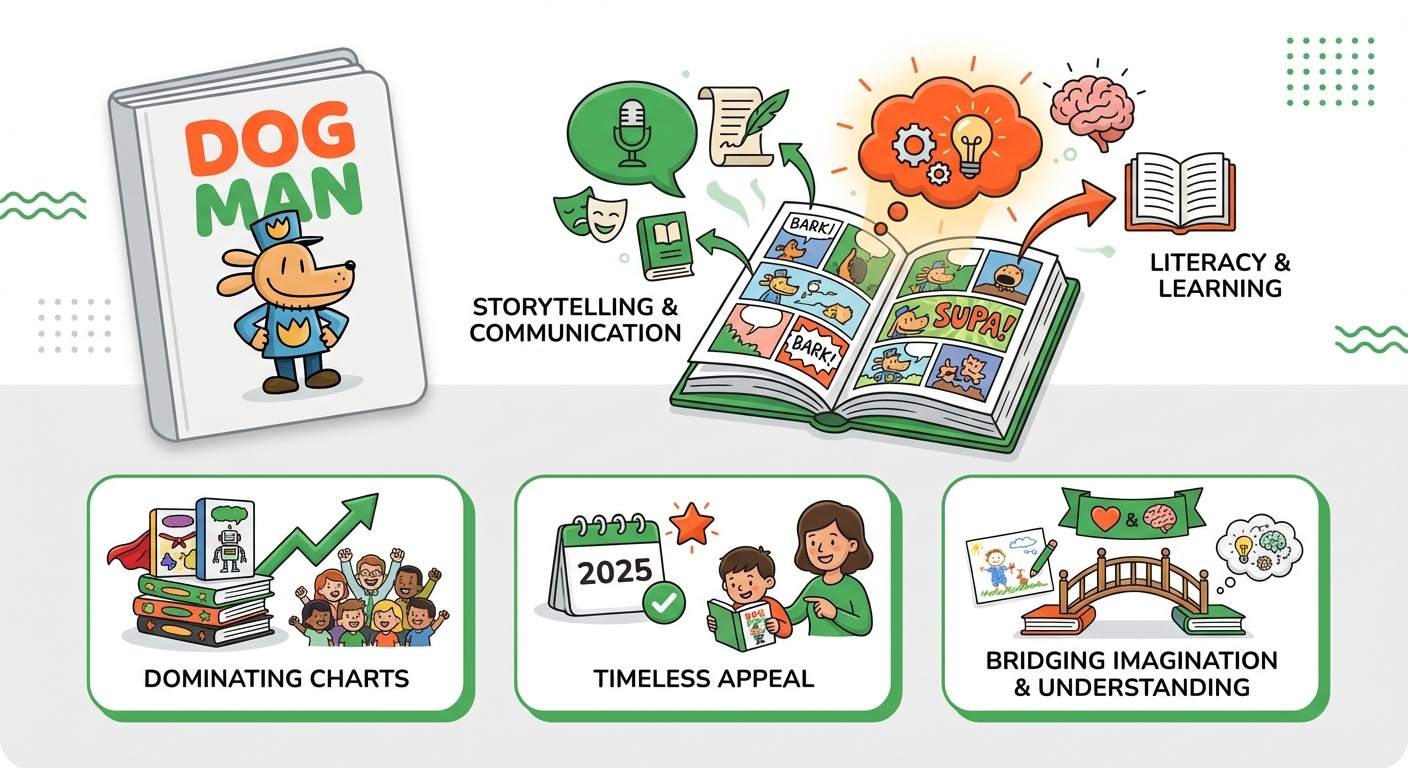
The format is key to its success. The visual context provided by the panels helps readers decode the text, build vocabulary, and understand narrative structure. The humor is perfectly pitched for elementary schoolers, revolving around themes of friendship, justice, and slapstick comedy. For many children, the “Dog Man” series is the gateway that proves reading can be fun, building their confidence to explore other books and genres. To learn more about different reading formats, you can explore our blog.
Key Details
- Best For: Reluctant readers in elementary school (ages 6-10); kids who love humor and action.
- Pros: Extremely popular and engaging; helps build reading confidence and comprehension; often encourages kids to read an entire series.
- Cons: Some parents may prefer more traditional literary formats (though the literacy benefits are well-documented).
5. Choose Your Own Adventure (CYOA) Books
The classic “Choose Your Own Adventure” series has seen a major resurgence, with new titles and digital adaptations capturing the imaginations of a new generation. These books put the reader in the driver’s seat, forcing them to make critical decisions that determine the story’s outcome. This element of choice is a powerful hook, giving children a sense of agency and control over the narrative.
Reading a CYOA book is an active, not passive, experience. It teaches problem-solving skills, demonstrates consequences, and offers immense re-readability as children go back to explore different paths. The format is perfect for developing critical thinking and is one of the best ways to show kids that their choices matter, even in a fictional world. Whether in classic print or a modern app, these stories ensure that no two reading experiences are exactly alike, keeping kids engaged for hours.
Key Details
- Best For: Ages 7-12; readers who enjoy games, puzzles, and making decisions.
- Pros: Highly interactive and re-readable; develops critical thinking and decision-making skills; empowers the reader.
- Cons: Storylines can sometimes feel fragmented; younger readers might find the page-flipping confusing at first.
Conclusion: Finding the Perfect Story
Finding the most engaging story books for kids in 2025 is about matching the right format to your child’s personality and interests. The landscape of children’s literature is richer and more diverse than ever, offering everything from timeless classics to groundbreaking technological experiences. Whether you’re exploring the limitless possibilities of AI-powered personalization with a platform like LoveToRead.ai or laughing along with a graphic novel, the goal is the same: to spark joy and curiosity. By embracing these wonderful options, you can help your child build a positive, lasting relationship with the written word.