What is Personalized Storytelling? A 2026 Guide
Remember the thrill of finding a keychain with your name on it as a child? That small moment of recognition made you feel seen and special. Now, imagine that feeling amplified a thousand times, woven into the very fabric of a story where you are the hero. This is the essence of personalized storytelling, a powerful narrative technique that is reshaping how we connect with content. So, what is personalized storytelling? At its core, it is the art of crafting a narrative that dynamically incorporates an individual’s unique details—like their name, appearance, or choices—to create a story that is uniquely theirs.
In an age saturated with generic content, personalization is the key to cutting through the noise. It transforms passive consumption into an active, immersive experience. For children, this is not just engaging; it’s transformative, turning storytime into an adventure that reflects their own world and identity.
Why Personalized Storytelling Matters in 2026
The shift from one-size-fits-all media to hyper-personalized experiences has accelerated dramatically. A 2025 study from the Digital Engagement Institute found that personalized content can boost user engagement by up to 80%, a statistic that underscores a fundamental human truth: we are wired to pay attention to things that are about us.
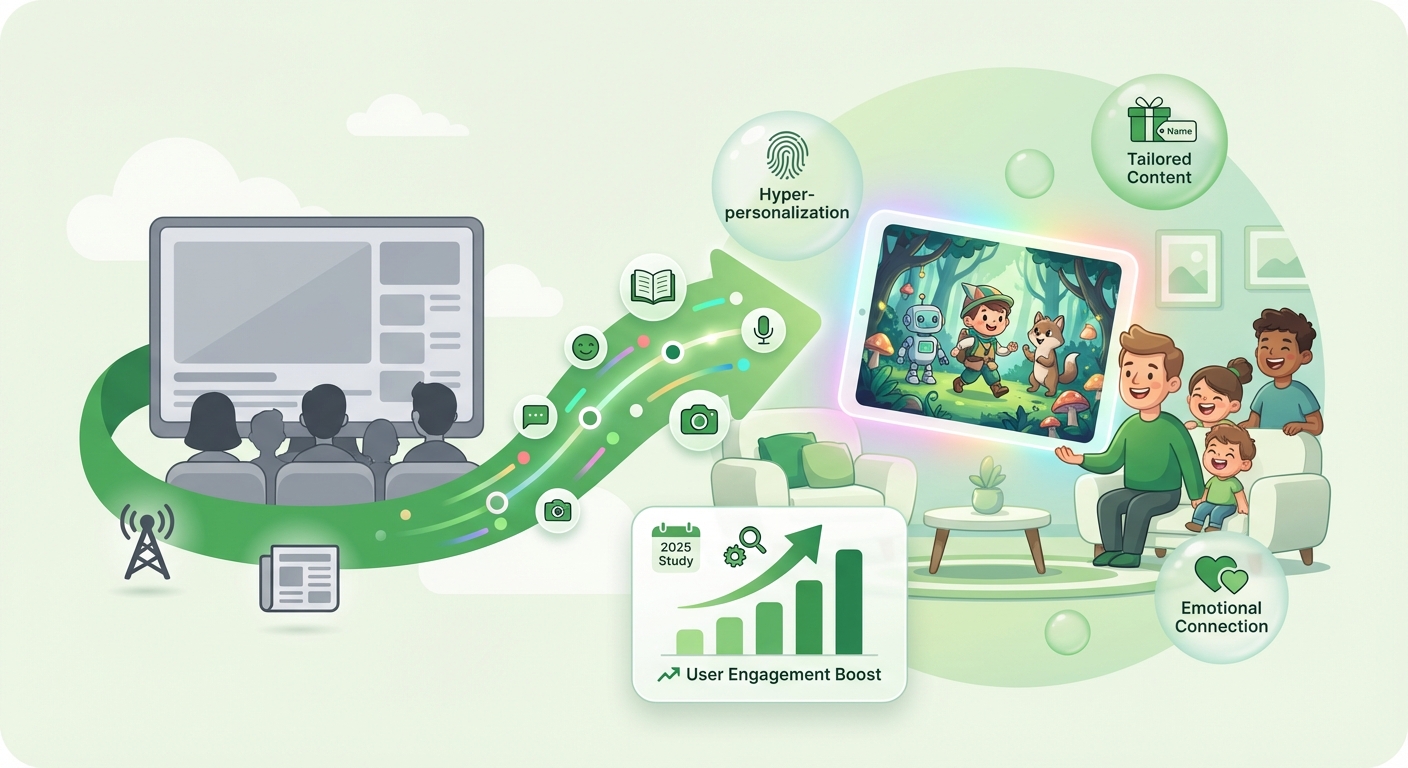
For children, the benefits are even more profound, especially in the crucial K-5 developmental years. The advantages include:
Increased Engagement: When a child is the main character, their attention is immediately captured. The story is no longer about a distant ‘someone’ but is happening to them*.
- Improved Reading Comprehension: Personal relevance helps children connect more deeply with the plot and characters, leading to better understanding and retention of the story’s themes and vocabulary.
- Fostering Self-Esteem: Seeing themselves as the hero who solves problems and achieves goals can significantly boost a child’s confidence and sense of self-worth.
- Cultivating a Love for Reading: Personalized stories make reading a magical and exciting activity. This positive association is crucial for building lifelong reading habits, especially for reluctant readers. Finding the right personalized children’s books online: a 2025 guide can be the first step in this journey.
The Core Components of Personalized Narratives
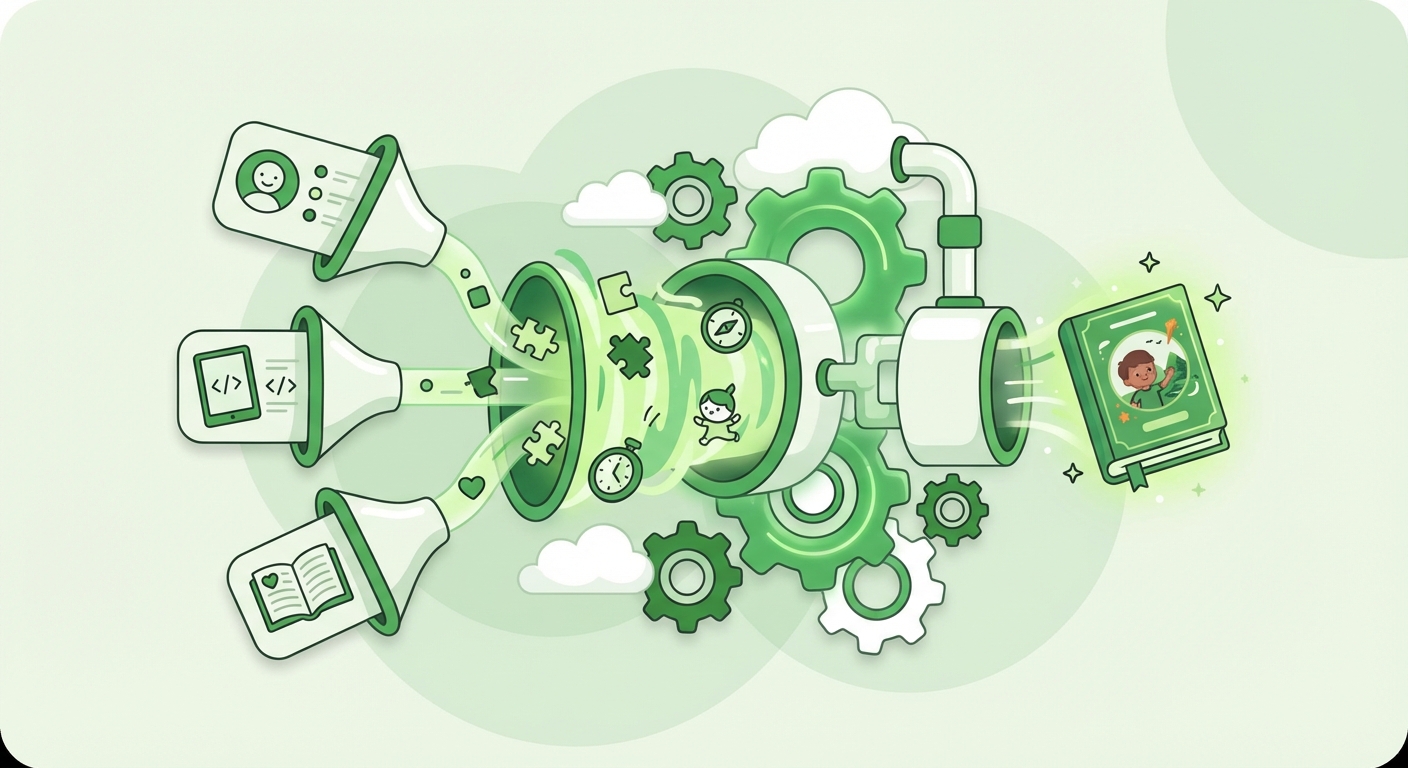
Understanding what personalized storytelling is involves breaking it down into its key ingredients. It’s more than just inserting a name into a template; it’s a sophisticated blend of data, technology, and classic narrative structure.
Dynamic Character Integration
This is the most recognizable element. The story’s protagonist is modeled after the reader. This can range from simple name replacement to complex customization, including physical appearance (hair color, eye color), personality traits, and even including friends or family members as supporting characters. Platforms like LoveToRead.ai have mastered this, allowing parents to build a full character library so their child can see a consistent, personalized avatar of themselves across countless adventures. Learning how to make your child a story hero: a 2025 guide is simpler than ever with these tools.
Adaptive Plotlines and Settings
Think of this as a