The Best Big Brother and Big Sister Books to Help Your Child Welcome a New Baby
A warm, practical guide for parents and gift-givers navigating one of childhood's biggest transitions — with the right book in hand.
Why Your Older Child Deserves Their Own Book When a New Baby Arrives
When a new baby is on the way, the nursery gets decorated, the baby shower gifts pile up, and the newborn's name is on everyone's lips. The older child, meanwhile, is quietly processing a seismic shift in their world — and they need acknowledgment too. It's easy for parents to get swept up in the logistics of a new arrival and inadvertently leave the soon-to-be big sibling feeling like a bystander in their own family story.
Picture books give toddlers and preschoolers a safe, low-pressure way to rehearse big feelings: the excitement, the jealousy, the confusion, and eventually the pride of becoming a big sibling. A well-chosen story doesn't lecture or instruct — it simply shows a character going through something familiar, and that recognition alone can be profoundly reassuring for a young child. Being gentle with a new baby is a child's first real lesson in kindness, and our World Kindness Day guide has age-by-age ways to keep practising it.
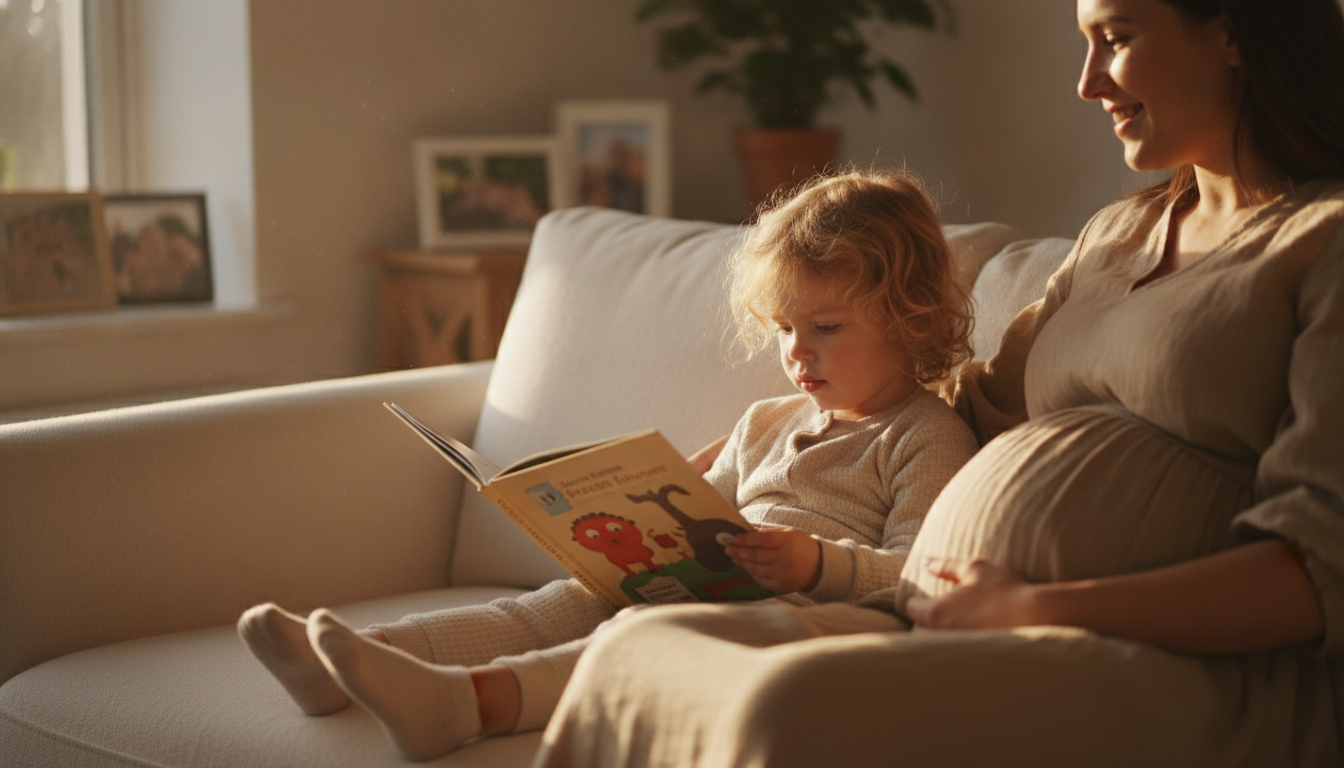
Reading a big brother book or big sister book together creates a ritual of connection between parent and child at exactly the moment the child most needs to feel seen and special.
A book also gives the older child language for emotions they cannot yet name on their own. Seeing a character feel left out, or curious about a baby, normalizes those feelings before the baby even arrives. Unlike a one-time conversation, a book can be revisited again and again as the child's understanding deepens — making it one of the most lasting and practical gifts you can give a soon-to-be older sibling.
Think of it this way: when everyone else is focused on the baby, a book addressed to the big kid says, quietly but clearly, this moment belongs to you too.
What to Look for in a Sibling Book — By Age
Not every sibling book works for every child, and age is the single most useful filter when you're choosing. Here's what to prioritize at each stage.
Ages 18 Months to 2 Years
At this age, look for books with very simple text, bold and friendly illustrations, and a reassuring tone. A child under two cannot follow a complex plot, but they respond beautifully to faces, colors, and a calm, loving voice reading aloud to them. The emotional warmth of the reading experience matters far more than the sophistication of the story. Board book formats are ideal here — they hold up to enthusiastic toddler handling and can be chewed on without guilt.
Ages 3 to 4 Years
Children in this age band are ready for a short narrative arc: a character who feels a certain way, encounters the new baby, and arrives at a warmer feeling by the end. This age group also responds well to humor and to recognizable family routines depicted in the art — bath time, mealtime, bedtime. If a child can point to a page and say "that's like our house," the book has done its job. Gentle comedy works especially well because it takes the pressure off heavy emotions.
Ages 5 to 7 Years
Older preschoolers and early readers can handle more nuanced emotional storytelling. A character who feels genuine ambivalence — or even outright resentment — before finding their footing will resonate far more than a story where everything is sunshine from page one. Children this age are perceptive; they'll see through an overly tidy resolution. Honesty, paired with a satisfying emotional shift by the end, is what makes a sibling book truly land for this group.
Key Principle for Any Age
Regardless of age, prioritize books where the older child character is active and valued — not just pushed to the sidelines the moment the baby appears. The goal is for your child to see big-siblinghood as a role worth wanting, not a consolation prize.
| Age of the older child | Format that holds up | What the book actually needs to do | Picks from this list |
|---|---|---|---|
| 18 months – 2 years | Board book, under ~10 spreads | Name the change in plain words. No plot required — repetition and pictures of a baby do the work. | I Am a Big Brother / I Am a Big Sister; Za-Za’s Baby Brother |
| 3 – 4 years | Picture book, one sitting | Show a routine that changes and a child who is still loved. This is the age that notices the crib before it notices the baby. | I’m a Big Brother / I’m a Big Sister; The Berenstain Bears’ New Baby; The New Baby |
| 5 – 7 years | Longer picture book or early reader | Let the child be jealous on the page. A book that only shows delight reads as false to a five-year-old. | Peter’s Chair; Julius, the Baby of the World; There’s Going to Be a Baby |
Recommended Big Brother and Big Sister Books Worth Reading
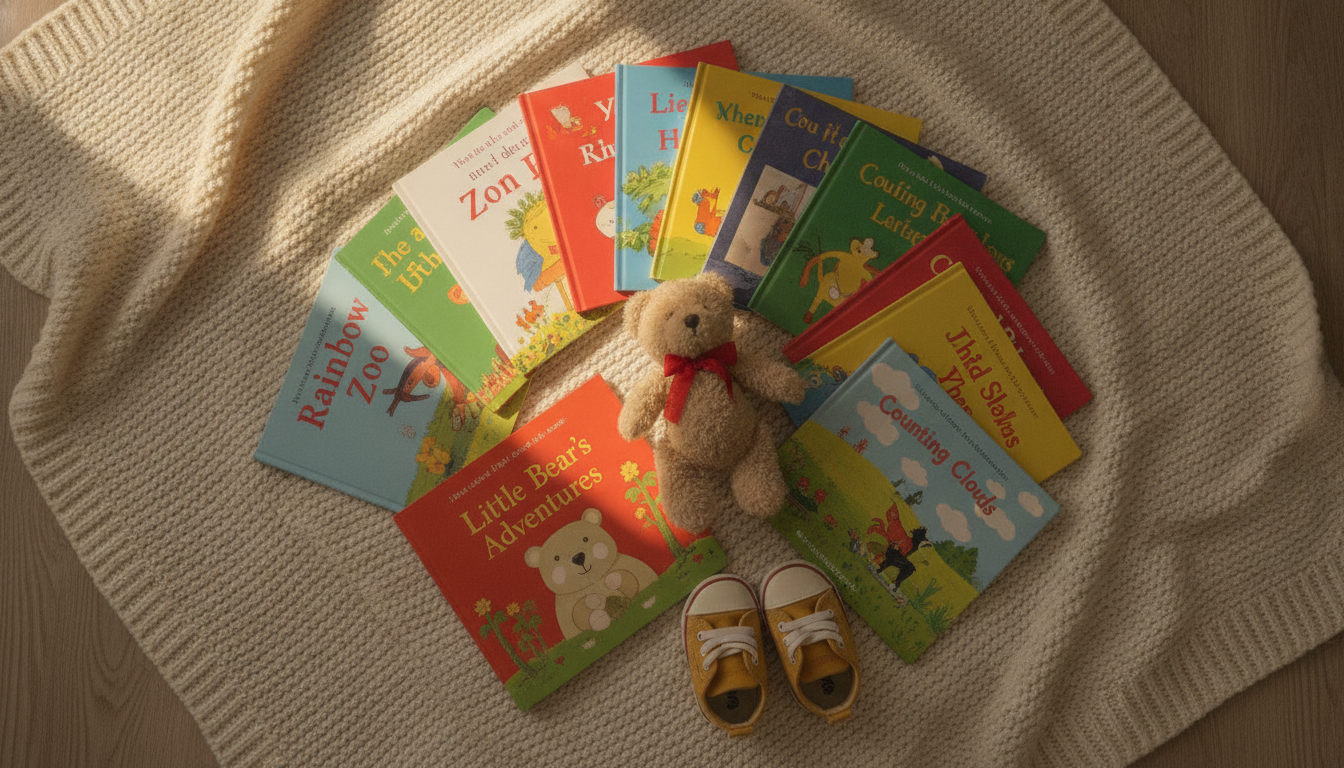
The children's book market is full of sibling titles, but quality varies widely. The eight books below have earned their place on this list through genuine staying power — they're read, re-read, and requested by children who find something true in them.
I'm a Big Brother and I'm a Big Sister by Joanna Cole Ages 2+
The classic starting point for many families. Straightforward, reassuring, and written in a second-person voice that speaks directly to the child — "You are a big brother now" — so they feel personally addressed rather than observed from a distance. Simple enough for young toddlers, warm enough to hold up over many re-reads.
I Am a Big Brother and I Am a Big Sister by Caroline Jayne Church Ages 18mo–3yr
Soft, rounded illustrations and a gentle, affirming tone make these the go-to choice for very young toddlers who need comfort more than plot. The art style is particularly effective — characters have large, expressive eyes that even the youngest child can read emotionally.
The Berenstain Bears' New Baby by Stan and Jan Berenstain Ages 3–6
A perennial favorite that follows Brother Bear as the family prepares for a new arrival. The familiar characters and gentle humor make it an easy sell, and the story does a good job of showing family preparation without glossing over the adjustment. Children who already love the Berenstain Bears world will gravitate to it immediately.
There's Going to Be a Baby by John Burningham and Helen Oxenbury Ages 4+
A quieter, more poetic choice that follows a child's daydreams about what the baby might become — a firefighter, a chef, a farmer. It's imaginative rather than instructional, and works beautifully for families who love literary picture books. Helen Oxenbury's illustrations are some of the warmest in the genre.
Peter's Chair by Ezra Jack Keats Ages 3–6
One of the most emotionally true sibling books ever written. Peter initially resists sharing his belongings with a new baby sister — he takes his chair and runs away — before arriving at a tender resolution that feels earned rather than imposed. Keats never talks down to children, and the collage-style illustrations remain visually striking decades after publication.
Julius, the Baby of the World by Kevin Henkes Ages 4–7
Lilly — one of children's literature's most beloved characters — struggles with outright dislike of her new baby brother before having a sudden, funny change of heart when a cousin criticizes Julius. The humor is sharp, the jealousy is real, and the resolution is satisfying without being saccharine. A standout for older preschoolers who would see through a softer treatment.
The New Baby by Mercer Mayer Ages 2–5
Part of the beloved Little Critter series, this book captures the mixed feelings of a young child with warmth and a light touch. Children who already know Little Critter will find the familiar world reassuring, and the story's honest acknowledgment of complicated feelings makes it more useful than many cheerier alternatives.
Za-Za's Baby Brother by Lucy Cousins Ages 18mo–3yr
Bold, joyful artwork and a simple story follow a young zebra adjusting to life with a new sibling. Particularly well-suited for very young children who respond to bright, graphic illustration styles — the kind of child who points at every page and names the colors. Short enough to hold a toddler's attention from start to finish.
When to Introduce the Book: Before Birth, at the Hospital, or After Coming Home?
Timing matters more than most parents realize, and the right moment depends partly on your child's temperament and partly on practical logistics. Here's how to think through it.
The Prenatal Window: Two to Four Weeks Before the Due Date
This is the sweet spot for most families. Introducing a big brother or big sister book two to four weeks before the due date gives your child time to absorb the story and ask questions while the household is still calm. The book can become a familiar comfort object before the baby arrives — something the child already associates with positive reading time rather than upheaval.
The Hospital Visit: A Gift Just for the Big Sibling
Some families choose to give the book as a special gift at the hospital, presented as something "just for the big sibling" while everyone else is focused on the newborn. This can be a meaningful moment — the older child receives something that signals they are being thought of, celebrated, and seen, even amid the excitement of a new baby. A personalized touch, like writing the child's name inside the cover, makes it feel even more deliberate.
The First Weeks at Home: Still Valuable, Still Timely
If you missed the prenatal window, do not worry. Introducing a sibling book in the first few weeks after the baby comes home is still genuinely valuable, especially as the older child begins to feel the daily reality of sharing attention. The book gives shape and language to experiences they are living through right now, which can be just as powerful as preparation.
Whichever timing you choose, make the reading itself a dedicated one-on-one moment. Put the phone down, sit close, and let the child set the pace. The book is a vehicle for connection, not just information.
Many parents find that a sibling book gets requested repeatedly over the first several months. Think of it as a long-term resource rather than a one-and-done conversation starter — the child's understanding will deepen each time they return to it. One practical note on timing: if potty training is also on the horizon, most families find it easier not to stack the two big changes on top of each other. Our guide to potty training books covers how to read the readiness signals before you start.
The Personalized Option: When Your Child Is the Main Character
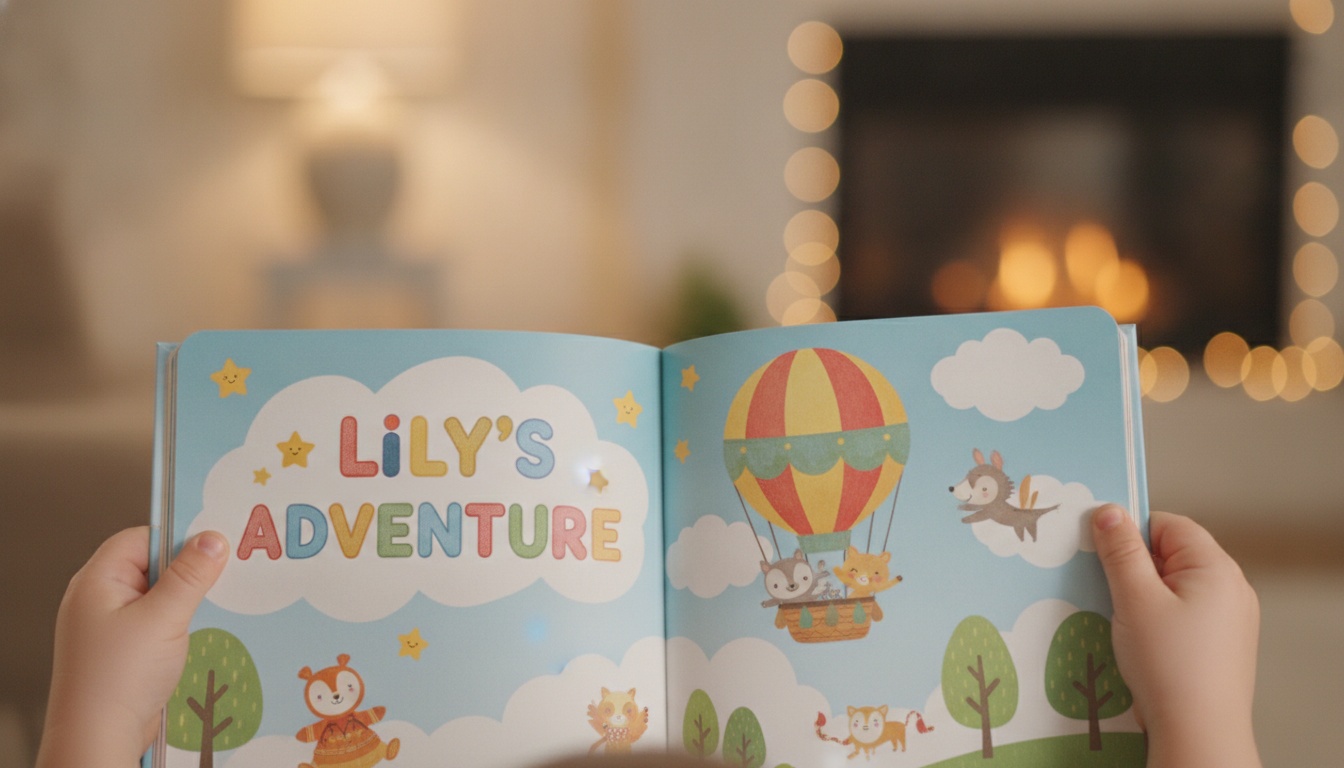
Beyond the titles listed above, there is a category of book that takes the sibling story one step further: a personalized big brother or big sister book where the older child's own name, appearance, and family details are woven into the story, making them the undeniable hero of the narrative.
Personalized sibling books are particularly powerful for children who are feeling uncertain or left out, because there is simply no arguing with a book that is literally about you. It signals in an unmistakable way that this transition belongs to the older child too — that their feelings, their role, and their identity as a big sibling are worth celebrating in print.
They also make genuinely thoughtful gifts for grandparents, aunts, uncles, or family friends to give the older child. At a moment when everyone is bringing gifts for the baby, a personalized book addressed to the big sibling stands out beautifully. You can explore options at our guide to personalized gifts for kids — it's a helpful starting point for anyone looking to give something truly meaningful rather than another generic toy.
If you're curious about how personalized sibling books work and what distinguishes a good one from a mediocre one, the overview at personalized books for siblings covers the key considerations clearly. For a curated shortlist of the best options currently available, the 5 best personalized sibling books is worth bookmarking.
A Thoughtful Pairing Idea
One idea worth considering: if you want to celebrate the new baby's name in a similar way, a personalized baby name book can be a lovely companion gift — one book for the big sibling, one for the baby, so both children feel honored from the very start. It's a simple gesture, but families who've done it often say it sets a tone of fairness and celebration that carries forward.
The personalized route does require a bit more lead time than ordering off a bookstore shelf, so if you're considering it, start looking a few weeks before the due date to make sure the book arrives in time for the big reveal.
| Off-the-shelf big sibling book | Personalized big sibling book | |
|---|---|---|
| Who the story is about | A stand-in child the reader is asked to identify with | The older child by name, so no identification step is needed |
| New baby’s name | Generic (“the baby”) | Can be named, which makes the arrival concrete before it happens |
| How fast you can have it | Immediately, from any bookshop or library | Digital versions can be ready the same day; printed copies need production and shipping time |
| Cost | Lowest — and free from the library | Higher, priced as a keepsake rather than a book |
| Reusable for the next baby | Yes, the same copy works again | No — it is tied to these two children, which is the point and the limitation |
| Best used as | The book you read nightly for a month before the due date | The hospital gift, or the one thing that is unmistakably the older child’s |
Frequently Asked Questions
How many sibling books do we actually need?
One or two well-chosen books are plenty. The goal is depth of engagement, not quantity. Pick one that fits your child's age and temperament, read it often, and let the conversations it sparks do the work. A single book that gets read twenty times will do far more than five books that each get read once.
My child is only 18 months old — will they even understand a sibling book?
They will understand more than you expect, especially through your tone of voice and the illustrations. Books like Za-Za's Baby Brother and I Am a Big Sister by Caroline Jayne Church are designed specifically for this age and work well even when comprehension is partial. At 18 months, the warmth of the shared reading experience is itself the message.
Should I read the book before or after we tell our child about the baby?
Ideally after. Once your child knows a sibling is coming, the book gives that abstract news a concrete, story-shaped form they can hold onto and return to. Introducing a sibling book before the conversation can feel confusing — the child needs the news first so the story has somewhere to land.
What if my child doesn't want to read the sibling book?
Don't force it. Leave it somewhere accessible and let curiosity do its work. Some children pick it up on their own terms; others warm up to it after the baby arrives and the reality sets in. Resistance to a sibling book is sometimes itself a form of processing — the child isn't ready to engage with the story yet, and that's okay.
Are there sibling books that address twins or multiples specifically?
The books listed in this guide focus on single new siblings, which covers the vast majority of situations. If you are expecting multiples, you may need to search specifically for titles written for that scenario — they do exist, but they're a smaller category.
Can a grandparent or family friend give a sibling book as a gift?
Absolutely — it is one of the most thoughtful gifts you can bring to a baby shower or hospital visit, because it shows you are thinking about the older child, not just the newborn. A personalized sibling book takes this even further, signaling that you went out of your way to make the big kid feel special.
How is a personalized sibling book different from a standard picture book?
A standard picture book features a fictional character the child can relate to. A personalized book features the child themselves — their name, their appearance, sometimes details about their family — woven into the story. For a child who is feeling uncertain about their place in the family, that difference is significant. You can learn more about what to look for in our guide to personalized books for siblings.
Bringing It All Together
A new baby changes everything — and for the older child, that change can feel enormous before they have the words to say so. A well-chosen big brother book or big sister book won't resolve every complicated feeling, but it does something quietly powerful: it tells your child that their experience matters enough to have a story written about it.
Start with your child's age and temperament when choosing. For the youngest toddlers, prioritize warmth and simplicity — Caroline Jayne Church and Lucy Cousins are reliable choices. For three- and four-year-olds ready for a narrative, Joanna Cole, Mercer Mayer, and Ezra Jack Keats offer honest, satisfying stories. For older preschoolers who can handle real emotional complexity, Kevin Henkes and John Burningham deliver.
If you want to go a step further — or if you're a grandparent, aunt, uncle, or family friend looking for a gift that will genuinely stand out — a personalized sibling book puts the older child front and center in a way no off-the-shelf title can match. Browse the best personalized sibling books currently available to find an option that fits your family.
Whatever you choose, read it together, sit close, and let the story do what stories do best: make a child feel less alone in something big.
Find the Perfect Book for Your New Big Sibling
Whether you choose a beloved classic or a personalized story that puts your child front and center, the right book can make a real difference during this big transition. Browse our personalized gift options to find something truly special for the older sibling in your life.
Explore Personalized Gifts for Kids