Sight Words for Kindergarten: Your Child Brought Home a List. Now What?
That little paper can feel more mysterious than it needs to. Here's what sight words actually are, where the lists come from, and how to practice them at home without turning reading time into a battle.
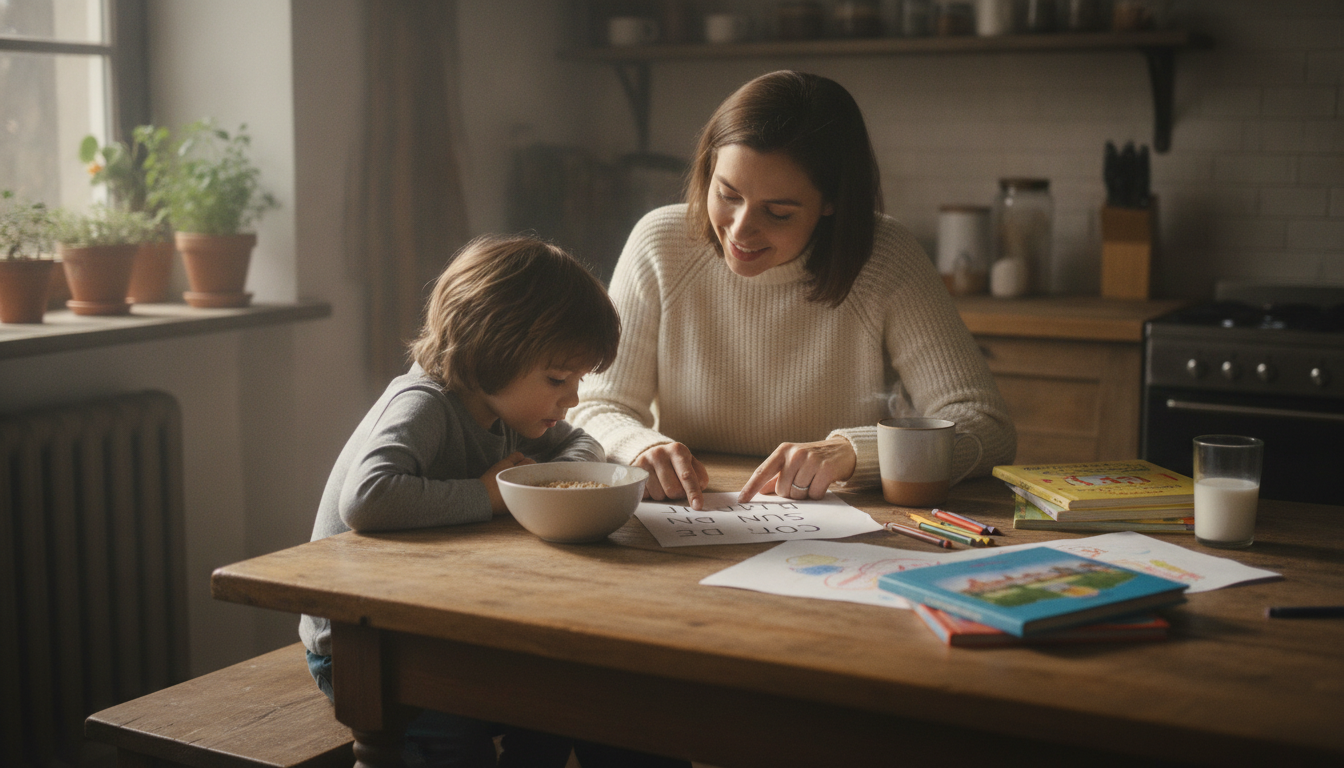
It shows up in the backpack on a Tuesday. A small piece of paper — sometimes printed, sometimes handwritten — with a column of words on it. The. And. Said. You. Was. Maybe a note from the teacher saying to practice these at home. That's it. No instructions, no explanation, no sense of how urgent this is or what "practice" is actually supposed to look like. If the list arrived and your child is not yet doing the things that usually come first, it is worth stepping back to reading readiness before worrying about this one.
If you've been staring at that list wondering whether to buy flash cards, whether you're already behind, or whether your child is supposed to have these memorized by Friday — take a breath. You're not behind. The list isn't a test. And you don't need to become a reading tutor to help your child with this. You just need a little context, which is exactly what this guide is here to give you.
What Is a Sight Word, Really?
The term "sight word" gets thrown around a lot in early elementary school, and it's worth knowing what it actually means — because the definition matters for how you practice at home.
A sight word is any word that a reader recognizes instantly, without stopping to sound it out. The term describes how fluently a word is read, not something permanently special about the word itself. Over time, as a reader gets more experienced, more and more words become sight words — because the brain has seen them enough times to store them as whole units. Fluent adult readers recognize almost every word they encounter this way. The goal with kindergartners is to start building that bank of instantly recognized words early, so reading doesn't grind to a halt every few words.
Words like the, and, is, you, it, and in show up constantly in print. If a child has to laboriously decode each of those every time they appear on a page, reading becomes exhausting — and the meaning of the sentence gets lost in the effort. That's why these high-frequency words get so much attention in kindergarten.
Here's a nuance that doesn't always make it home in the backpack: not all words on a sight word list are actually irregular. Some of them — words like in, can, get, him, run — follow perfectly standard phonics rules. A child who knows their letter sounds can sound those out just fine. Current reading instruction actually encourages children to do exactly that, because sounding out builds the decoding skills they'll need for harder words down the road. The whole-word memorization approach is best saved for words that genuinely can't be sounded out reliably.
The truly irregular words — the ones where sounding out leads you astray — include things like said, was, of, one, the, and come. Those are the words where "just remember it" is actually the right strategy, because the spelling doesn't match the pronunciation in a predictable way. Knowing this distinction helps you coach your child more effectively: for regular words, prompt them to sound it out; for the genuinely tricky ones, use repetition and memory.
Key Takeaway
- Sight word = any word read instantly from memory. It's a description of fluency, not a permanent category.
- Many words on common lists are phonetically regular — encourage your child to sound those out.
- Save the pure memorization approach for genuinely irregular words: said, was, of, one, come, the.
Where Do These Lists Come From? Dolch, Fry, and Your Child's Teacher
If you start researching sight words online, you'll run into two names almost immediately: Dolch and Fry. Here's the short version of who they are and why their lists matter.
The Dolch List
Edward William Dolch was an educator who studied the words that appeared most frequently in the books children were actually reading. He compiled a list of 220 "service words" — the prepositions, pronouns, conjunctions, verbs, and adjectives that do the structural work in sentences — plus a separate list of 95 common nouns. These are the words he found doing the heaviest lifting in early reading material, and his list has been used in schools for decades. If your child's teacher refers to "Dolch words," this is what they mean.
The Fry List
Edward Fry took a broader approach and identified 1,000 Instant Words, grouped in sets of a hundred and ranked roughly by how often they appear in print. The idea was to give teachers a more comprehensive tool that could carry students from the very beginning of reading all the way through the upper elementary years. Many schools pull from his first hundred or first two hundred words for kindergarten.
What Your Child's School Is Using
Your child's teacher may be using the Dolch list, the Fry list, a district-modified version of one of those, or a word list that comes with a specific reading curriculum. All of that is fine — the underlying goal is the same regardless of which list comes home. If you're curious which list your school uses or why certain words are on it, a quick note to the teacher will get you a straight answer. Teachers genuinely appreciate when parents ask questions out of curiosity rather than anxiety.
How to Practice at Home: Short, Low-Pressure, and Actually Useful
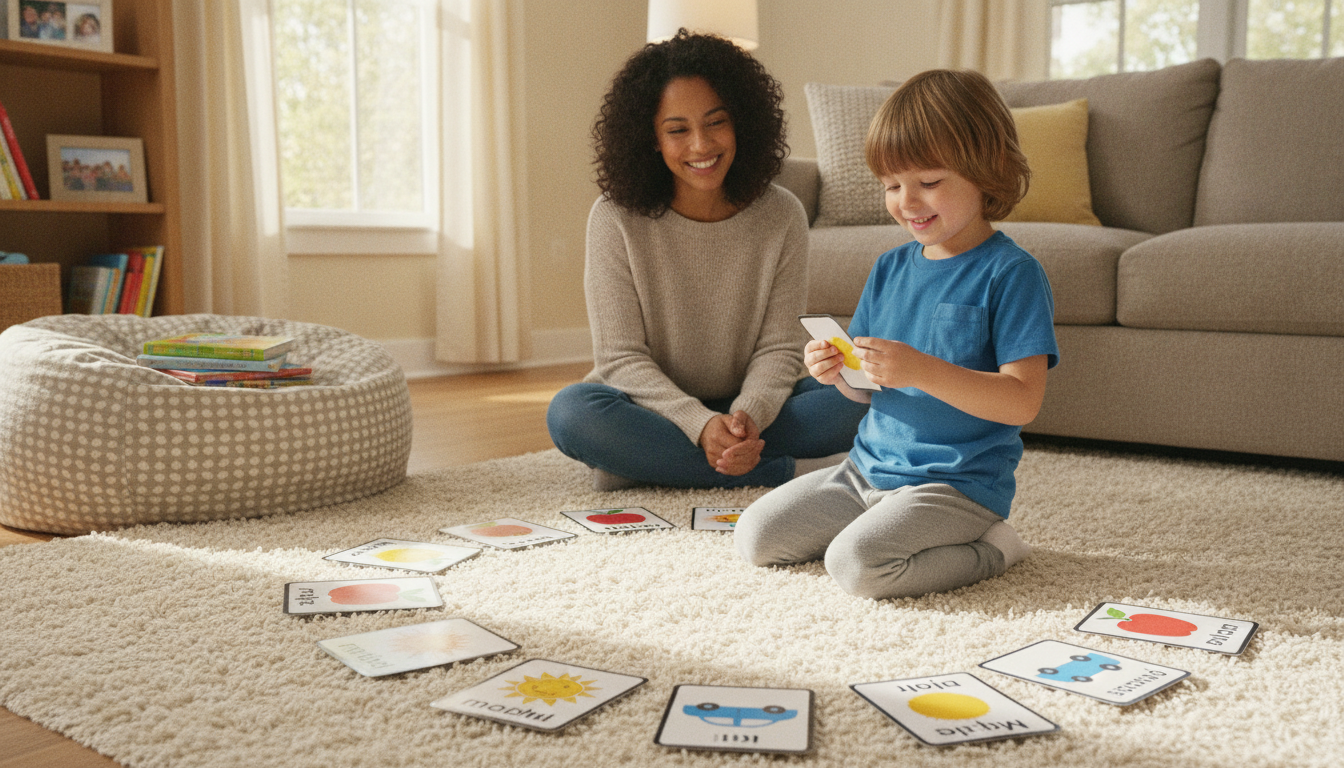
The most important thing to know about practicing sight words at home is this: short and consistent beats long and occasional every time. Five to ten minutes a day, done regularly, will do far more for your child than a forty-minute cramming session on Sunday night. Kindergartners have limited working memory and limited patience for anything that feels like schoolwork after a long day, and that's completely normal.
Set the Session Up for Success
Always start with words your child already knows well. A quick run through the easy ones builds confidence and gets the brain warmed up before you get to the harder ones. Think of it the way a coach might have an athlete warm up before tackling something challenging — the easy wins at the start matter.
When your child reads a word correctly, be specific about what you noticed: "You read that without even pausing — that one's really sticking." That kind of specific feedback lands better than a generic "good job" and helps your child notice their own progress, which is genuinely motivating.
End every session on a word your child knows, not a word they struggled with. The last feeling they walk away with should be competence, not frustration.
| Format | What it builds | Best when | Time |
|---|---|---|---|
| Flash cards | Instant recognition, one word at a time | The list is brand new and nothing is automatic yet | 3–5 min |
| Word hunt in a real book | Recognition inside running text, where it actually counts | Cards are going well but the same word stalls on the page | 5–10 min |
| Write it, say it | Letter-by-letter attention on genuinely irregular words | Your child keeps guessing said as and | 5 min |
| Matching or memory game | Speed and confidence, with the pressure removed | The week has been hard and practice has started to feel like a test | 10 min |
| Reading a story that repeats the words | Recognition plus meaning at the same time | You want practice that does not feel like practice | 10–15 min |
Vary the Format So It Doesn't Feel Like a Test
Flash cards are fine, but they're not the only tool — and cycling through the same cards in the same order every day gets stale fast. Here are some low-effort ways to mix it up:
- Write words in sidewalk chalk on the driveway and have your child jump to the one you call out.
- Trace words in a shallow tray of salt or sand — the tactile input helps the word stick.
- Write a few words on sticky notes and post them around the house; see how many your child can find and read on a scavenger hunt.
- Point to words in a picture book or on a cereal box and see if your child recognizes them in context.
- Play a simple matching game with two sets of word cards — turn them face down and find the pairs.
The goal of all of these is the same: repeated exposure to the words in a context that doesn't feel like a quiz. Your child's brain is doing the same work either way, but the experience is completely different.
"Stopping while things are still going well leaves your child feeling successful rather than defeated — and a child who feels successful is a child who wants to come back and try again tomorrow."
When Your Child Guesses From the First Letter
You're sitting together with the flash cards, and your child sees a word starting with b and says "ball" — even though the word is "be." Or they see a word starting with h and say "house" instead of "have." This happens a lot, and it makes sense: they're pattern-matching from limited information, which is actually a sign of a working brain trying to be efficient. The problem is that guessing doesn't build real reading skill, and it tends to get harder to break the longer it goes unchallenged.
When you see it happen, resist the urge to say "no" or "wrong." Instead, try something like: "Let's look at all the letters." Then point to each letter from left to right while you say the sounds together. You're redirecting their attention to the full word without making the moment feel like a correction.
For words that can be sounded out, walking through the sounds letter by letter is the right move — it reinforces the decoding habit you want to build. For genuinely irregular words where sounding out won't get them there, try this sequence: cover the word, say it clearly, uncover it, and have your child trace each letter while saying the word aloud. The combination of seeing, hearing, and touching the word gives the brain multiple pathways to hold onto it.
If the guessing habit is persistent across many weeks of consistent practice and your child doesn't seem to be making progress even on words you've reviewed many times, that's worth mentioning to the classroom teacher — not as an alarm, but as useful information. The teacher can observe your child in a reading group, which gives them a much fuller picture than any parent can get at the kitchen table.
Sight Word Books Worth Having on the Shelf
One of the most effective things you can do with a sight word list is make sure your child encounters those words repeatedly inside actual sentences and stories — not just on cards in isolation. Books do that work naturally, and there are some that are specifically designed to reinforce high-frequency word recognition.
Books Built for Sight Word Practice
Bob Books
Simple decodable stories that start with very basic letter-sound combinations and gradually introduce more words. Good for early, early readers.
Scholastic Sight Word Readers
Leveled readers built directly around high-frequency words, with repetitive text that gives beginning readers multiple chances to encounter each word.
Now I'm Reading by Nora Gaydos
Scaffolds carefully from very simple to more complex, with a clear sense of progression that helps children feel their own growth.
Meet the Sight Words
Pairs words with simple, repetitive text that beginning readers can handle independently — good for building confidence.
Picture Books That Do the Work Naturally
Books written specifically for sight word practice are useful, but they're not the only path — and they're not always the most engaging. Picture books that naturally use high-frequency words over and over are just as valuable, and they tend to be a lot more fun to read.
- Brown Bear, Brown Bear, What Do You See? by Bill Martin Jr. and Eric Carle is a classic for a reason. The repetitive structure means your child hears and sees the same words on nearly every page.
- Green Eggs and Ham and Hop on Pop by Dr. Seuss have been helping kids rack up repetitions with common words for generations — and the rhythm makes them genuinely fun to read aloud.
Early Readers for Growing Confidence
As your child builds confidence, early reader series give them longer stories with real characters — which keeps motivation alive far better than drilling alone. Series worth knowing:
- Elephant and Piggie by Mo Willems — funny, expressive, and written in dialogue that kids love to perform.
- Pete the Cat — simple vocabulary, repetitive structure, and a main character kids genuinely like.
- Biscuit by Alyssa Satin Capucilli — very short sentences, predictable pattern, great for early independent readers.
- Fly Guy by Tedd Arnold — slightly more complex, good for children who are ready for a step up.
- Frog and Toad by Arnold Lobel — a little longer, with real narrative and emotional depth, perfect for children who are starting to read more fluently.
A note worth making: reading the same book multiple times is not a sign that your child is stuck. Repeated reading of a familiar text builds fluency, reinforces word recognition, and lets your child feel the satisfaction of reading something smoothly from start to finish. That feeling of competence is part of what makes a child want to read more.
For more reading material you can access right now without spending anything, check out this list of free online books for kindergartners — it covers a range of sites and resources worth bookmarking.
A Note on Personalized Practice and One Tool Worth Knowing About
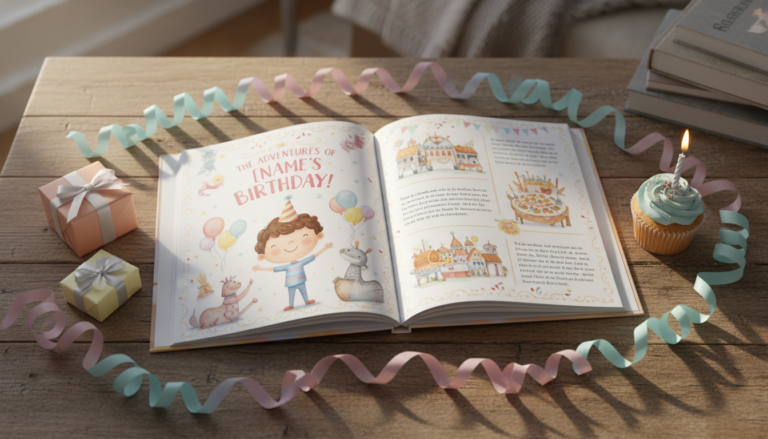
One of the most effective things you can do with a sight word list is make sure your child encounters those exact words repeatedly in context — not just on flash cards, but inside actual sentences and stories. That's where the words really start to stick, because the brain is processing meaning at the same time it's processing the word form.
LoveToRead can generate a personalized story built around the specific words on your child's own list, which means your child reads a real narrative that happens to repeat the words they're working on. That's considerably less dull than cycling through the same cards for the tenth time in a row. To be straightforward about what this is: it's extra practice, not a reading program, and it does not replace what the school is doing. Think of it the way you'd think of extra reps in a sport — useful reinforcement, but the coaching still happens somewhere else.
For more tools your child can use independently, this roundup of the best reading apps for kindergarten covers options worth trying alongside whatever your school sends home.
| Book type | Examples | What it does well | Where it falls short |
|---|---|---|---|
| Sight word readers | Bob Books; Scholastic Sight Word Readers; Now I’m Reading | Tight, repeated vocabulary a beginner can finish alone | The stories are thin. They are practice, not bedtime reading |
| Repetitive picture books | Brown Bear, Brown Bear, What Do You See?; Green Eggs and Ham; Hop on Pop | Repetition arrives inside a story worth hearing again | The repeated words are the author’s choice, not your child’s list |
| Early readers | Elephant and Piggie; Pete the Cat; Biscuit; Fly Guy | Real narrative and humor at a manageable word count | Assumes a fair chunk of the list is already automatic |
| First chapter books | Frog and Toad | The first taste of reading something that feels grown-up | Too far ahead for most children still working a kindergarten list |
Normal Slow Progress vs. Something Worth Raising With the Teacher
Here's something that will save you some worry: learning to read is not a straight line. Your child will seem to have a word locked in on Monday and draw a complete blank on it Wednesday. They'll read a word perfectly in one book and act like they've never seen it before in a different book. This is completely normal and not a sign that practice isn't working — it's just how memory consolidation works in young children.
Progress that looks like two steps forward and one step back over weeks, with a general upward trend over months, is ordinary kindergarten reading development. Expect it, and try not to read too much into any single session that goes badly.
Signs That Are Worth a Conversation With the Teacher
The following are not reasons to panic — they're simply information worth sharing with someone who can observe your child in a reading context and respond with appropriate support:
- Your child shows no recognition of any words after several weeks of consistent, regular practice — not just occasional sessions, but real daily effort.
- Your child seems to be working noticeably harder than their classmates to get through the same material, and the gap seems to be widening rather than closing.
- Your child becomes very distressed during reading in a way that goes well beyond normal frustration — shutting down, refusing to try, or becoming upset every single time.
- You notice your child reversing letters or words persistently well into the school year, and it's happening across many different words, not just occasionally.
If any of those things are true, the right first move is a calm conversation with the classroom teacher. They can observe your child in a reading group, compare what they're seeing to what's typical for the class, and connect you with a reading specialist if that seems useful. You are not expected to diagnose anything or figure this out alone — that's what the school team is there for, and reaching out early is always better than waiting and worrying.
"The classroom teacher sees your child reading in a group, alongside other children at the same stage — that context gives them information no parent can get at the kitchen table, and it's exactly why a conversation with the teacher is always the right first step."
Keeping the Bigger Picture in View
Sight word practice is one piece of learning to read, not the whole thing. Your child also needs phonics instruction, exposure to lots of books, conversations about stories, and time to write — all of which the school is working on simultaneously. The sight word list is one small part of a much larger picture, and it helps to keep that in perspective when a practice session goes sideways.
The most powerful thing you can do at home is read together every day, even just for ten or fifteen minutes — not drilling, just sharing a book. That builds vocabulary, comprehension, and a sense that reading is something enjoyable rather than something to endure. Children who grow up in homes where books are read aloud regularly come to reading with a huge advantage, and it costs nothing but a little time.
If your child is starting to read simple books independently and you're looking for what comes next, this collection of free online books for first graders is worth bookmarking for when they're ready to step up to slightly longer material.
And if reading feels like a battle and your child is resistant — not just occasionally but consistently — this guide to books for reluctant readers has practical ideas for making reading feel less like homework and more like something they actually want to do. Sometimes the issue isn't the words at all — it's finding the right book.
The Bottom Line
- The sight word list that came home is an invitation to be part of something your child is learning — not a test of your parenting.
- Short, consistent practice beats long, stressful sessions every time.
- Encourage sounding out for regular words; save memorization for genuinely irregular ones like said, was, of, one.
- Read together every day, even if it's just a few pages.
- If something feels off after weeks of consistent effort, talk to the teacher — that's what they're there for.
A little consistent support at home goes a long way. You don't have to be a reading teacher to make a real difference — you just have to show up, keep it low-pressure, and let your child know that reading is something worth doing together.
Make That Sight Word List a Little Less Boring
Generate a personalized story built around your child's exact word list — so they get the repetition they need inside a real story they actually want to read. Extra practice, made simple.
Try LoveToRead Free




One Comment
Comments are closed.