Christmas Traditions for Families: Your Complete Guide to a Magical December
Whether you're starting fresh or refreshing old favorites, these warm, practical ideas will help your family build a December full of memories that last a lifetime.
Why Christmas Traditions Matter More Than You Think
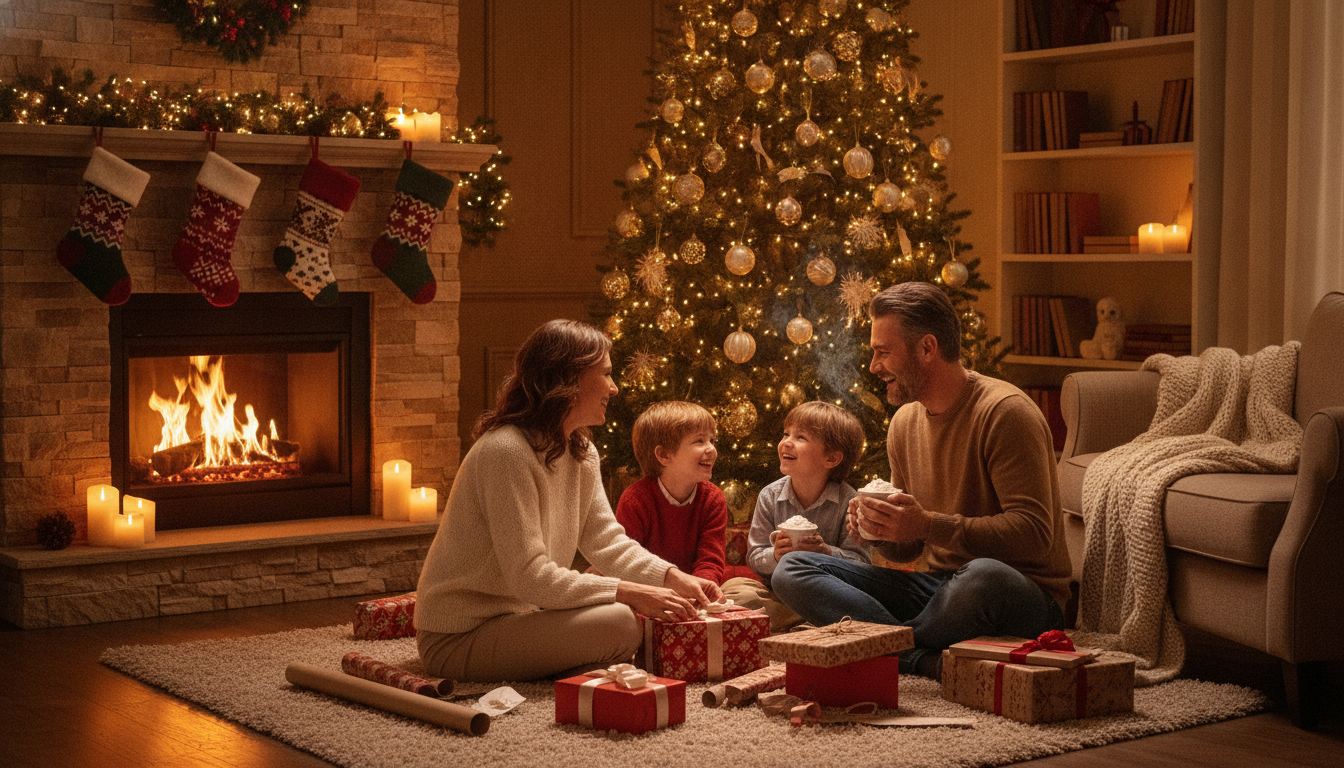
Ask any adult to name their most vivid childhood Christmas memory, and they'll almost never describe a gift. They'll describe a moment: the smell of a particular cookie baking, the sound of a certain song, the ritual of piling onto the couch in new pajamas to watch a movie they'd seen a dozen times before. That's the quiet power of family Christmas traditions — they don't just fill the calendar. They become the architecture of a childhood.
Research in family psychology consistently shows that predictable rituals give children a profound sense of security and belonging, especially during the holiday season when school routines dissolve and the pace of life accelerates. When children know what to expect — this is the night we bake, this is the book we read, this is the movie we always watch — they feel grounded even when everything else feels a little chaotic.
Rituals are the connective tissue of family life. They don't have to be elaborate to be powerful — they just have to be repeated with intention and love.
The good news for parents is that traditions don't need to be expensive, elaborate, or Pinterest-perfect. A simple act repeated every year — watching the same movie, baking the same cookies, reading the same book on the same night — carries enormous emotional weight for children as they grow up. The repetition is the point. The consistency is the magic.
Creating your own family Christmas traditions also gives you the freedom to reflect your unique values. Whether that's faith, generosity, creativity, or simply the radical act of slowing down to enjoy each other's company, your traditions become a living expression of what your family believes December is for. And starting new ones is far easier than most parents expect: pick one or two ideas this year, repeat them next December, and before long they'll feel like they've always been part of your family story.
⭐ Key Takeaway
- Traditions don't need to be expensive or elaborate — repetition is what makes them meaningful.
- Predictable rituals give children a sense of security during the busy holiday season.
- Starting small is the secret: try one new tradition this year and build from there.
Christmas Traditions at a Glance: Organized by Time and Cost
One of the biggest barriers to starting new traditions is the feeling that you don't have enough time or money to do them justice. The table below cuts through that by organizing popular Christmas traditions for families into four realistic categories. Whether you have 20 minutes and an empty wallet, or an open Saturday and a little budget to spare, there's something here for every family in every season of life.
| Category | Time | Cost | Tradition Ideas |
|---|---|---|---|
| Quick & Free | Under 30 min | $0 | Write letters to Santa; carol in the neighborhood; make paper snowflake chains; read a Christmas picture book aloud; stargaze and retell the Christmas story |
| Quick & Low-Cost | Under 30 min | Under $20 | Bake and decorate sugar cookies; make a paper chain advent calendar; buy one new ornament to mark a family milestone; donate a toy to a local charity drive |
| Longer & Free | 1–2 hours | $0 | Drive around to look at Christmas lights; host a holiday movie marathon; make handmade cards for grandparents; volunteer at a local food bank or community event |
| Longer & Splurge | 1–2+ hours | $20+ | Cut your own Christmas tree at a farm; attend a live Nutcracker or holiday concert; book a Santa visit at a local venue; take a holiday train ride |
The most sustainable approach is to anchor your December with one or two traditions from each row — a quick, free ritual you can do almost any evening, and a bigger experience you plan for once or twice across the month. That combination gives the season both a steady rhythm and a handful of genuine highlights without overwhelming the family calendar.
Advent Traditions to Count Down to Christmas
The four weeks of Advent are a gift to parents: a built-in framework for spreading the magic of Christmas across the whole month rather than cramming everything into a single frantic week. A handful of simple Advent traditions can transform December from a blur into something that feels intentional and savored. The oldest of them is St. Nicholas Day on December 6: shoes go out the night before and are found filled with a clementine, chocolate coins, and one small gift.
The Advent Calendar
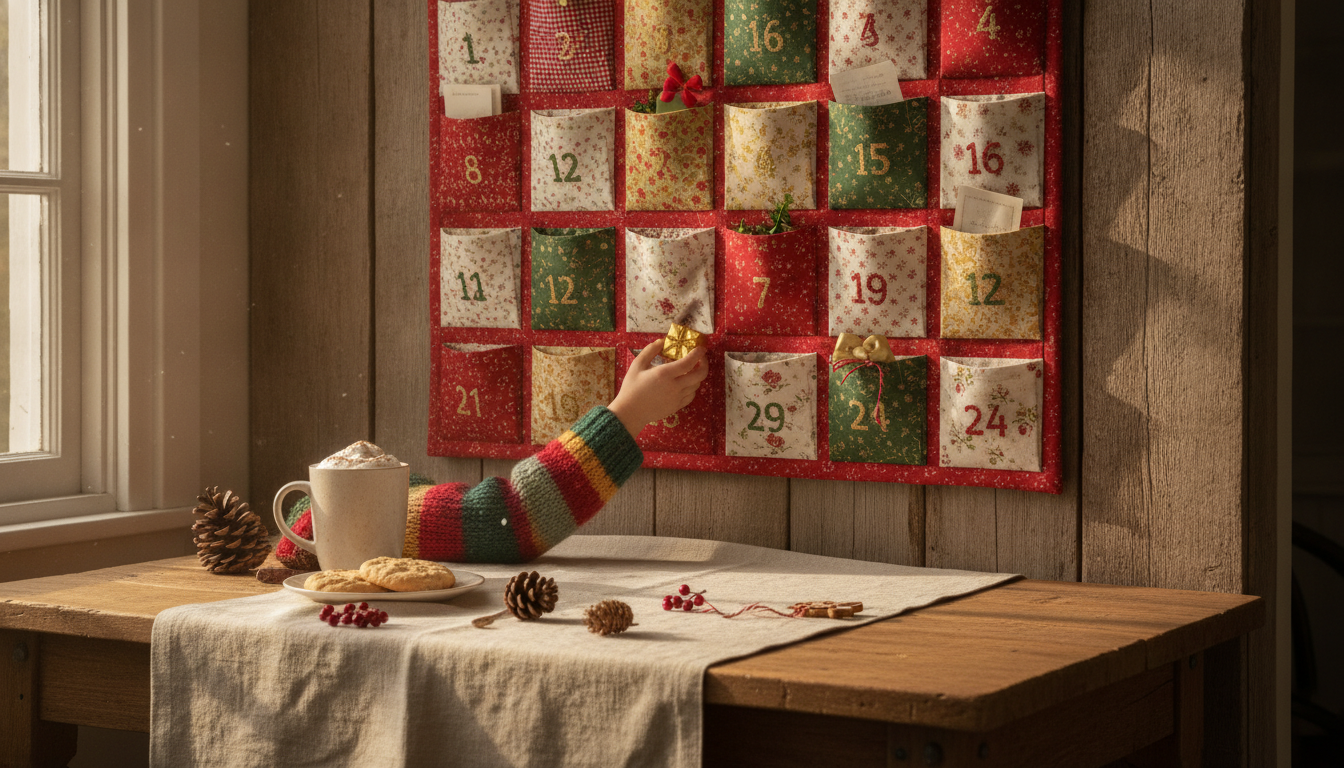
An Advent calendar is one of the easiest countdown traditions to start, and it scales beautifully with your family's interests and budget. A store-bought chocolate calendar works perfectly well. A DIY envelope calendar filled with tiny activity notes — "tonight we drive around to look at lights" or "tonight we call Grandma" — costs almost nothing and builds anticipation in a way that a piece of chocolate simply can't. Reusable fabric calendars filled with small treats or family challenge cards are a wonderful investment that can last for years.
If you love the idea of a book-based countdown, a book Advent calendar is one of the most beloved traditions in reading families: wrap 24 Christmas or winter-themed picture books, number them, and open one each evening. It's a tradition that builds your holiday library over the years while also giving children something to look forward to every single night. (More on this in the reading section below.)
The Family Advent Bucket List
Post a simple list on the fridge at the start of December — 10 to 15 activities your family wants to do before Christmas — and let the kids check things off as you go. This approach helps parents spread activities across the whole month rather than panicking in the final week, and it gives children a sense of agency and anticipation. Keep the list realistic: two or three activities per week is plenty.
A Kindness Advent Calendar
A "random acts of kindness" Advent calendar — where each day the family completes one small generous act, like leaving cookies for a neighbor, donating canned goods, or writing a thank-you note to a teacher — is one of the most powerful traditions you can start with young children. It teaches them, in a concrete and age-appropriate way, that Christmas is as much about giving as receiving. Start small: even five or six kindness acts across December make an impression that lasts.
Christmas Eve Traditions Your Family Will Cherish
Christmas Eve is often the most emotionally charged night of the season — and that charge can go in either direction. Children are vibrating with excitement, bedtime feels impossible, and the gap between anticipation and actual sleep can feel like a chasm. Having a set of predictable Christmas Eve rituals is one of the most effective tools a parent has: it channels that excitement into something meaningful, gives the evening a shape, and creates the kind of memories that adult children carry with them for the rest of their lives.
The Christmas Eve Box
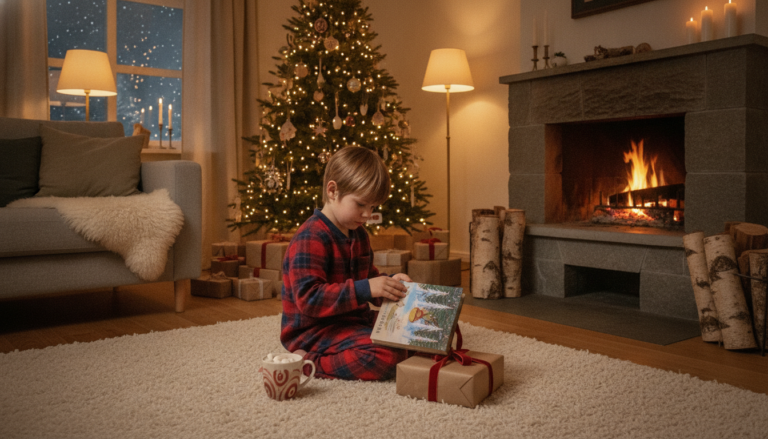
The Christmas Eve box has become one of the most beloved modern holiday traditions for families with young children. The concept is simple: a small wrapped box or basket, given to children on December 24th, containing everything you need for a perfect cozy night in. Classic contents include new pajamas, a Christmas picture book, a packet of hot cocoa mix, a holiday movie, and perhaps a small ornament or a bag of popcorn. If you're looking for inspiration on what to include, this complete guide to Christmas Eve box ideas walks you through everything from budget-friendly fills to special keepsake additions.
The beauty of the Christmas Eve box is that it turns the hardest part of the evening — the waiting — into its own celebration. Suddenly, Christmas Eve isn't just the night before Christmas. It's its own event.
The Classic Bedtime Read-Aloud
Reading 'Twas the Night Before Christmas aloud as a family — ideally after the kids are in their pajamas, the lights are low, and the hot cocoa has been drunk — is a tradition that costs absolutely nothing and creates a sense of ceremony around bedtime that children remember for decades. The ritual of gathering, of the same words read in the same order on the same night every year, is exactly the kind of predictable magic children hold onto.
Cookies for Santa, Carrots for the Reindeer
Setting out cookies and milk for Santa (and carrots for the reindeer) is a classic that even older children enjoy participating in, often with a knowing wink that keeps the magic alive for their younger siblings. Give children a concrete job: choosing which cookies to put out, arranging the plate, writing a note. Giving them a role in the ritual is what makes it stick.
A Candlelight Christmas Eve Dinner
A simple Christmas Eve candlelight dinner — even if it's your regular meal served by candlelight with a holiday playlist in the background — elevates the evening and signals to children that tonight is different, worth savoring slowly. You don't need a special menu. You just need the candles, the music, and the intention. That combination is enough to make an ordinary Tuesday feel like something your family will talk about for years.
Book and Reading Traditions to Start This Christmas
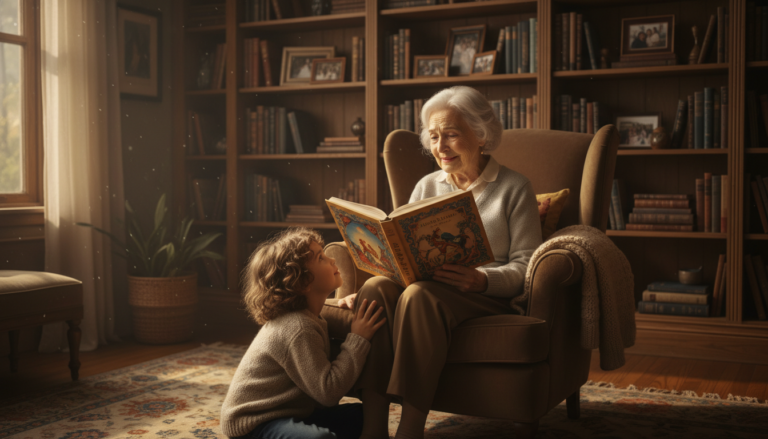
If there's one category of Christmas tradition that pays dividends far beyond December, it's reading. Books are portable, affordable, endlessly repeatable, and they grow with your child in ways that toys simply don't. A Christmas reading tradition started this year can still be going strong when your children are teenagers — and the books themselves become artifacts, passed down and re-read across generations.
If your family already runs an Elf on the Shelf, the two traditions stack neatly: the elf simply arrives each morning holding the night's book. Our guide to easy Elf on the Shelf ideas has a full section on running it that way, plus setups sorted by how long they actually take. If the elf is new this year, our list of Elf on the Shelf names sorts 155 options by style and by the age of the child.
The 24 Books of Christmas
The 24 Books of Christmas tradition involves wrapping 24 Christmas or winter-themed picture books and placing them under the tree or in a basket, then unwrapping and reading one together each night in December. It's one of the most popular holiday reading traditions in the United States right now, and for good reason: it combines the excitement of unwrapping something with the warmth of a shared read-aloud, and it builds a holiday library that gets richer every year. Our detailed guide on how to build a book Advent calendar covers exactly how to source 24 books affordably, how to wrap and number them, and which titles to prioritize.
A Curated Stack of Holiday Classics
If 24 books feels like too much of a commitment for this year, start with a handful of beloved titles and read them in the same order every December. A strong starting stack might include The Polar Express by Chris Van Allsburg, How the Grinch Stole Christmas by Dr. Seuss, The Snowman by Raymond Briggs, and Bear Stays Up for Christmas by Karma Wilson. Reading the same books in the same order each year creates a powerful sense of ritual — children begin to anticipate their favorites and quote lines before you've even opened the cover.
For a comprehensive, age-by-age guide to the best holiday read-alouds — from preschool picture books all the way to chapter books for older kids — the Christmas read-alouds guide for families and classrooms is an excellent starting point.
A Library Trip in Late November
Visiting your local library together in late November to choose a stack of Christmas books is a free, low-key tradition that also builds a genuine love of reading and gives children real agency in what the family will enjoy together. Let each child pick two or three books they're excited about. The ownership they feel over those choices makes them far more invested in the reading sessions that follow.
The Jolabokaflod: Iceland's Book Flood Tradition
One of the most beautiful reading traditions in the world comes from Iceland, where the entire country exchanges books on Christmas Eve and spends the night reading. Known as Jólabókaflóð — the Christmas Book Flood — it's a tradition that translates beautifully to American family life. Give each family member a book on Christmas Eve, then spend the evening reading together. If this tradition speaks to you, there's a wonderful guide to running Jolabokaflod at home with kids that covers everything you need to know.
A Christmas Reading Nook
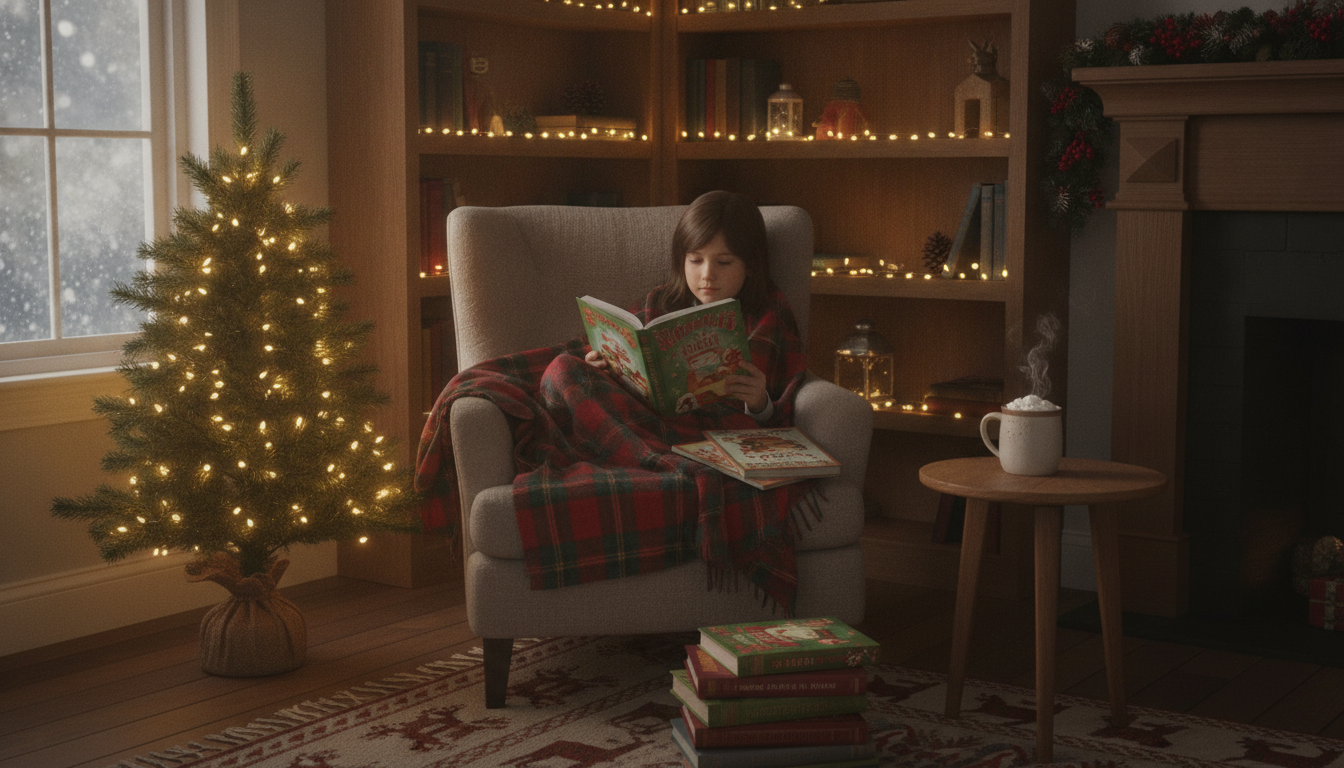
Creating a dedicated Christmas reading nook — a corner of the living room with extra blankets, a string of fairy lights, and a basket of holiday books — gives children an inviting space to read independently throughout December and reinforces the idea that this is a season for slowing down and savoring stories. It doesn't need to be elaborate. A basket, a blanket, and a string of lights is all it takes.
A Personalized Christmas Storybook
For a truly one-of-a-kind reading tradition, consider giving your child a personalized Christmas storybook that puts them at the center of the adventure. These AI-generated books are tailored to your child's name, appearance, and personality — making the reading experience deeply personal and the book itself a keepsake worth returning to year after year. If you want to make one part of this year’s December, you can start from our personalized book gifts or browse the wider Christmas gift range.
Traditions That Teach Generosity and Gratitude
The most lasting Christmas traditions aren't just about receiving — they're about teaching children that the season is equally defined by what we give. The following ideas range from simple kitchen-table rituals to community-level acts of generosity, and all of them help children develop the emotional intelligence and moral imagination that will serve them long after the decorations come down.
Making Room for New Gifts
Involving children in choosing a toy or book to donate before Christmas — sometimes framed as "making room for new gifts" — teaches the natural connection between receiving and giving without making it feel punitive. Let the child choose what to donate. The ownership of that decision is what gives it moral weight. Pair the donation with a trip to drop it off in person, if possible, so the act feels real and complete rather than abstract. Families who want the giving side and the receiving side to stay in proportion often pair this with the 4 gift rule, which caps each child at four presents: something they want, something they need, something to wear, and something to read.
Adopting a Family or Angel Tree
Participating in an Angel Tree program or adopting a family through a local charity lets children experience the full arc of generosity: choosing a gift for someone their own age, wrapping it, dropping it off, and imagining the recipient's joy on Christmas morning. This tradition has an outsized impact on children's developing sense of empathy, because it turns an abstract idea about kindness into something a child can actually picture and do.
The Family Gratitude Jar
Keep a simple jar on the dinner table throughout December. Each evening, family members drop in a slip of paper naming something they're grateful for from that day. Read the slips aloud on Christmas Eve or New Year's Day as a reflection on the year. It's a tradition that costs nothing, takes two minutes a day, and produces a beautiful artifact of your family's inner life that children treasure as they grow older.
Baking for the Neighbors
Baking extra cookies or making a simple homemade treat to deliver to neighbors, teachers, mail carriers, or elderly people on your street is a tradition that costs very little but makes an outsized impression on both the giver and the receiver. Let children do the delivering. Watching a neighbor's face light up when a seven-year-old appears at the door with a plate of cookies is one of those formative experiences that shapes a child's understanding of community for life.
The Family Year-in-Review Letter
Writing a short "year in review" letter together as a family — even just a paragraph per child about their highlights from the year — and sending it to grandparents or close relatives is a tradition that becomes a cherished archive of childhood over the years. Keep a copy for yourself each year. In twenty years, that collection of letters will be one of the most precious things you own. For grandparents looking for a complementary gift idea, a thoughtful grandkids Christmas gift guide pairs beautifully with this tradition.
Frequently Asked Questions About Christmas Traditions for Families
How do I start a new Christmas tradition without it feeling forced?
Start small and frame it as something you're "trying this year" rather than a permanent commitment. If the family enjoys it, repeat it next December and it will naturally begin to feel like "your thing." The tradition earns its place through repetition, not announcement. There's no need to make a big deal of it the first time — just do it, enjoy it, and see what happens.
What if my kids are different ages and have different interests?
The best family traditions have layers. A cookie-decorating session can be a sensory activity for a toddler, a creative project for an eight-year-old, and a social event for a teenager who invites a friend. Choose traditions with flexible participation rather than ones that require everyone to engage in exactly the same way. The shared presence matters more than identical engagement.
How do I handle traditions when we're traveling or our schedule is disrupted?
Identify which one or two traditions are truly non-negotiable for your family and protect those. Let the rest flex. A tradition doesn't have to happen on the exact same day to carry meaning — reading 'Twas the Night Before Christmas on December 22nd instead of December 24th still counts. What matters is the intention and the togetherness, not the calendar date.
How many traditions are too many?
If December starts to feel like a to-do list rather than a celebration, you have too many. Aim for a handful of anchoring traditions — one or two per week — rather than trying to do something special every single day. Quality and presence matter far more than quantity. The goal is a December that feels full, not frantic.
Can we mix traditions from different cultural or family backgrounds?
Absolutely — in fact, blended traditions are often the most meaningful because they honor multiple parts of a family's identity. If one partner grew up with tamales on Christmas Eve and the other with a Yule log, doing both creates a richer, more layered celebration that children will carry forward with pride. The same principle applies to families celebrating multiple holidays: many families who celebrate both Christmas and Hanukkah find that a Hanukkah read-aloud tradition sits beautifully alongside their Christmas rituals. Our Hanukkah traditions guide walks through all eight nights, with a small theme for each.
What's a good tradition to start with a baby or toddler?
Start with something sensory and simple: a daily read-aloud from a board book, hanging one special ornament together, or a candlelit bath on Christmas Eve. Babies and toddlers won't remember the specific activity, but they will absorb the warmth and calm of the ritual — and by the time they're three or four, they'll be asking for it by name. A personalized storybook featuring your baby's name is a particularly lovely first Christmas keepsake that doubles as a reading tradition starter.
Wrapping It All Up: Building Your Family's December Rhythm
The most important thing to remember about Christmas traditions for families is that they don't need to be perfect to be powerful. The cookie that burns, the carol sung slightly off-key, the Christmas Eve read-aloud interrupted by a toddler who needs a drink of water — these aren't failures. They're the texture of real family life, and they're exactly what your children will remember and love most.
Start with one or two ideas from this guide. Try them this December. Repeat them next year. Before long, your children will be the ones reminding you that it's time for the tradition — and that's when you'll know it has taken root.
The magic of Christmas traditions isn't in the execution. It's in the showing up, year after year, together. That's the whole thing. That's all of it.
And if the list this year runs past the family — your child’s teacher included — our guide to Christmas gift ideas for teachers sorts the options by budget.
Ready to Build Your Family's Christmas Traditions This December?
Pick one idea from this guide, try it this year, and watch it become the moment your kids talk about for years to come. Start with a book Advent calendar, a personalized Christmas storybook, or a cozy Christmas Eve box — any one of them is enough to begin.



7 Comments
Comments are closed.