Your Child Just Stopped at a Word They've Never Seen. Here's What to Do.
A warm, practical guide for parents on decoding words — the skill that turns unfamiliar print into language a child can understand and use.
What Is Decoding in Reading, Exactly?
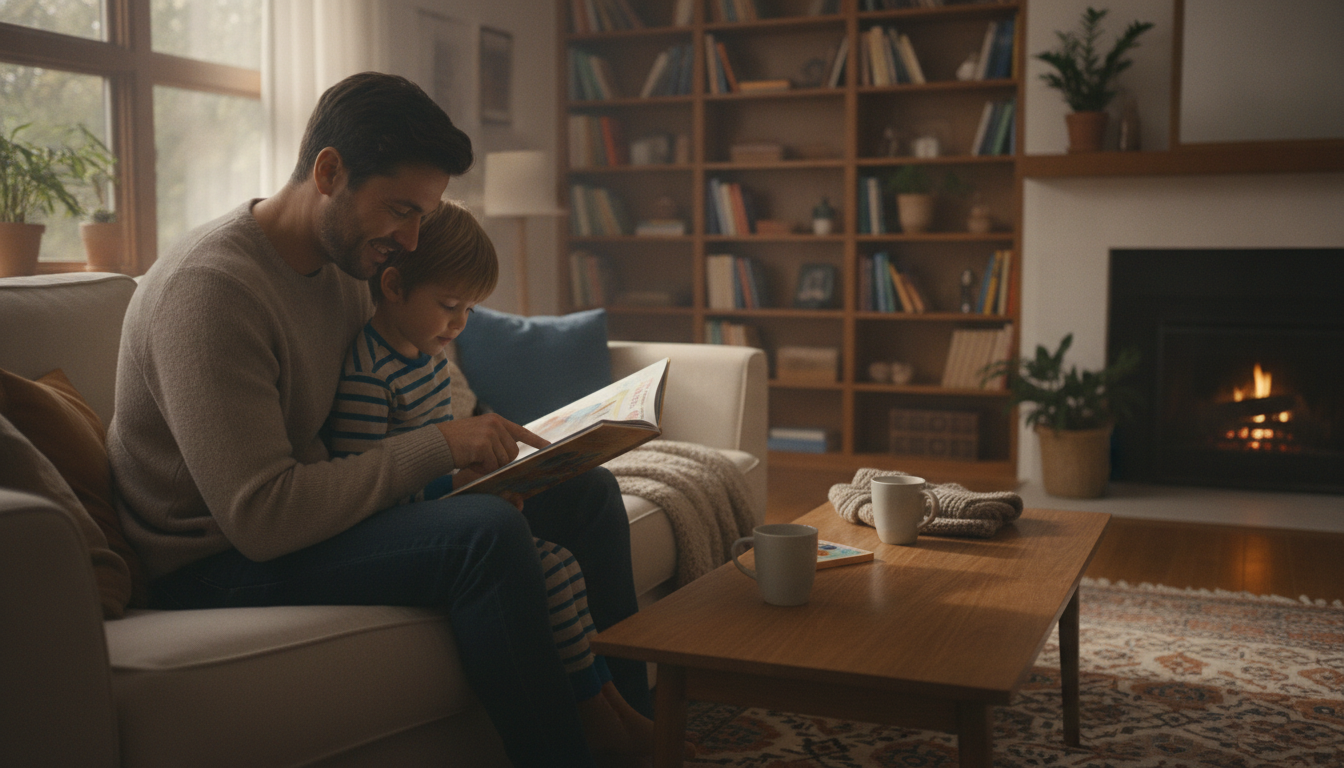
Picture this: your child is reading aloud, moving steadily through a page, and then — silence. They've hit a word they've never seen before. Their eyes go still. Maybe they look up at you. What happens next matters more than you might think.
Decoding words — in plain English, the ability to look at a printed word and figure out how to say it — is the engine underneath all early reading. When a child decodes, they are translating written symbols (letters) into sounds, and then blending those sounds into a word they can recognize and understand.
Decoding is different from memorising whole words by sight. It gives a child a tool they can use on any new word, not just the ones they have seen before. You might also hear teachers use the phrase word attack skills — this simply means the collection of strategies a child uses when they hit an unfamiliar word and need to work it out.
The formal term "decoding" comes from the idea that written language is a code. Letters stand for sounds, and learning to read means learning to crack that code. Once a child has cracked it, they have access to every word they will ever encounter in print — not just the ones an adult has shown them.
Understanding the stages of reading development can help you see where decoding fits into the bigger picture — it's one of the earliest and most foundational skills, and everything that comes after builds on it.
"Decoding is not a reading strategy among many — it is the prerequisite for all the others. A child who can decode an unfamiliar word can, in principle, read anything."
What Sounding Out Words Actually Involves
Sounding out words — the most basic decoding strategy — means saying the sound each letter (or group of letters) represents, then running those sounds together to form the word. Children typically learn letter sounds before letter names, because sounds are what they need for decoding. The alphabet song is charming, but knowing that "b says /b/" is what does the actual work.
The part that often trips children up is blending — holding sounds in memory long enough to merge them. Turning /k/ /a/ /t/ into "cat" takes real mental effort, and it improves with practice. It is also the step that most parents skip too quickly, moving on before the child has had a genuine chance to run the sounds together into a recognizable word.
Children reach the point where sounding out feels automatic across a wide age range. Arriving there earlier or later than another child means nothing on its own. The goal of practicing sounding out words is not to sound out every word forever — it is to do it enough times that the brain eventually recognizes the word instantly, without effort. That instant recognition is called reading fluency, and it is what makes reading feel effortless rather than laborious.
Quick reminder
- Letters represent sounds — not letter names — so "b says /b/" is more useful than "b is called bee."
- Blending is the hard part: give your child a beat of patience before jumping in.
- Sounding out is a means to an end — the end is automatic word recognition.
Three Situations, and What Actually Helps in Each One
Not every stuck word calls for the same response. Here are the three situations you will encounter most often, and what the evidence of classroom practice suggests actually works in each one.
Situation One
The word follows regular letter-sound patterns — words like "cat," "stop," or "drum"
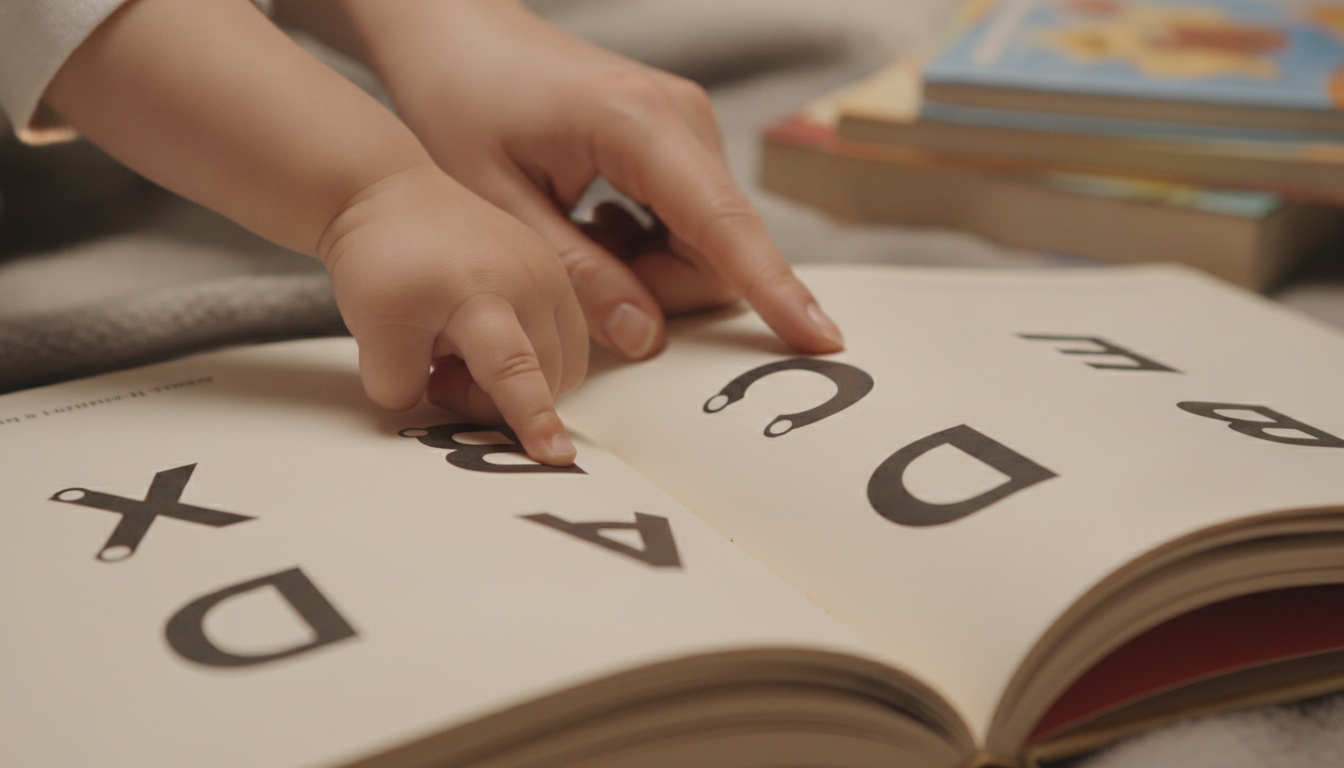
This is exactly the right moment to say "sound it out." Point under each letter in turn and let your child say each sound slowly. Then ask them to say the whole word fast. That blending step — running the sounds together — is where the magic happens, so give it a beat of patience before you step in. If they blend correctly and land on a real word, celebrate the process: "You looked at every single letter — that's exactly what readers do."
Situation Two
The word is irregular and cannot be fully sounded out — words like "said," "was," "of," "one," or "come"
Do not ask your child to sound it out. These words break the rules, and asking a child to apply phonics — the system of letter-sound relationships — to a word that ignores phonics teaches them, at a deep level, that the system cannot be trusted. Instead, say the word for them, then name the odd part out loud: "This one is tricky — the A-I in 'said' sounds like E." That small explanation keeps the code intact and gives your child something to hold onto the next time they meet the same word. You might find the guide to sight words for kindergarten useful here — it explains which words children are typically expected to recognize by memory and why.
Situation Three
The child is stuck and starts guessing from the picture or the first letter
Cover the picture and go back to the letters. Guessing from context feels clever in the moment, but it stops working the instant the pictures disappear — which is exactly what happens in chapter books and beyond. The letters are the reliable information; pictures are decoration. A gentle "let's look at the word" is enough to redirect without making the moment feel like a correction.
Across all three situations, your tone is the thing your child will remember most. A calm "let's look at the letters together" keeps the moment feeling like a puzzle, not a test. If none of the above is working and your child is consistently distressed by unfamiliar words, the most useful step is a conversation with their classroom teacher, who can see the full picture of how their reading is developing.
Decoding Strategies Worth Keeping in Your Back Pocket
Beyond the three core situations above, there are a handful of practical techniques that work well at home. None of them require any specialist knowledge — just a finger, some patience, and the willingness to make it feel low-stakes.
| Technique | What you say | When it helps most |
|---|---|---|
| Chunk it | "Can you see a word hiding inside?" | Longer words with familiar endings like -ing, -ed or -er |
| Cover and reveal | "Let's do the first bit first." | Words long enough that the whole thing looks overwhelming |
| Say it slow, say it fast | "Now say it fast, like a real word." | Whenever the sounds come out but the word does not |
| Check it makes sense | "Did that sound right to you?" | The word was read but the sentence came out odd |
| Praise the attempt | "I love how you looked at every letter." | Every time, and especially when the word came out wrong |
Chunk it
For longer words, encourage your child to look for smaller pieces they already know. "Can you see a word hiding inside?" works well for compound words and words with familiar endings like -ing, -ed, or -er. Breaking a word like "jumping" into "jump" and "ing" is far less daunting than attacking all seven letters at once.
Cover and reveal
Use your finger to cover the end of a long word and decode just the first chunk, then slide your finger along to reveal the next part. This stops children from being overwhelmed by the whole word at once and teaches them that longer words have a logical structure — they are just shorter words joined together or stretched with prefixes and suffixes.
Say it slow, say it fast
After sounding out each part, always follow up with "now say it fast like a real word." This is the blending step, and skipping it leaves children with a string of sounds rather than a word. The slow-to-fast movement is what converts decoding into recognition, and it is the step most often rushed.
Check it makes sense
Once a child has decoded a word, ask: "Does that sound like a word you know?" This connects decoding to meaning and catches errors where a child has blended correctly but landed on a non-word. It also teaches children to monitor their own reading — a habit that pays off enormously as texts get harder. This is closely related to reading comprehension: decoding gets you to the word; checking it makes sense connects the word to meaning.
Praise the attempt, not just the answer
"I love how you looked at every letter" reinforces the behavior you want, regardless of whether the word came out right. Children who feel safe making attempts — and who know that effort is what gets praised — are far more likely to keep trying when things get hard.
Five strategies to remember
- Chunk it — find the smaller pieces hiding inside a longer word.
- Cover and reveal — tackle a long word one section at a time.
- Say it slow, say it fast — always finish with the blending step.
- Check it makes sense — connect the decoded word back to meaning.
- Praise the attempt — effort is the behavior you want to grow.
The Honest Truth About Reading at Home
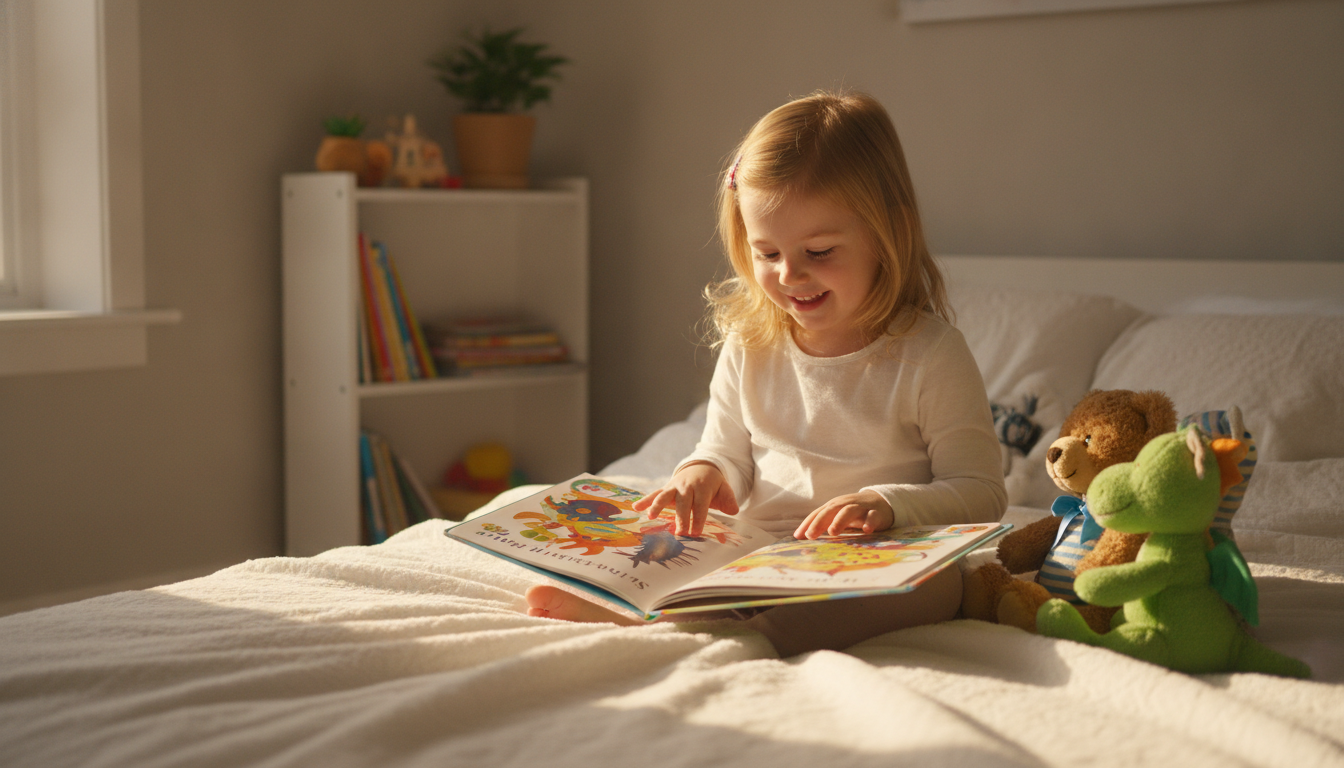
Reading with your child at home is reading practice — and practice genuinely matters — but it is not the same as reading instruction, and it does not replace the phonics teaching happening at school. That distinction is worth holding onto, because it takes pressure off both of you.
Your child's teacher is working through a structured sequence of letter-sound patterns in a deliberate order. At home, you are helping your child apply what they are learning — not design the curriculum. You don't need to know what comes next in the sequence. You just need to be there, calm, and pointing at the letters.
The most powerful thing home reading does is build volume — the sheer number of words a child encounters and decodes over time. Volume is how decoding becomes automatic. It is less about any single session and more about the accumulation of many small sessions across months and years.
Rereading is underrated. A child who reads the same book three times is getting three times the decoding practice on those exact words, and rereading a favorite builds fluency faster than always reaching for something new. Personalized stories from LoveToRead — stories a child chooses to reread because their own name and world are in them — are a practical way to build that rereading volume at home without any negotiation about whether to read tonight.
If you feel something is genuinely wrong with how your child is progressing, talk to their teacher. A teacher who sees your child reading every day is the right first conversation — they can assess what is happening in context and point you toward the right next step.
The goal at home is not to teach reading from scratch. It is to be a warm, patient presence while your child practices the skills their teacher is building — one page at a time.
If you're wondering whether your child is on track for reading at all, the guide to reading readiness explains what to look for and, importantly, why the range of normal is much wider than most parents expect.
Frequently Asked Questions
My child skips words they don't know and keeps reading. Should I stop them?
Yes, gently. Skipping unfamiliar words is a habit that gets harder to break over time. Pause, point to the word, and work through it together — even if it interrupts the story's flow. The short interruption is worth it.
How long should we spend on one stuck word before I just tell them?
About ten seconds of genuine effort is enough. If they are not getting there, give them the word, name any tricky part, and move on. Prolonged struggling without success is discouraging, not instructive. The goal is to keep reading feeling manageable.
My child can sound out words in isolation but falls apart in a real sentence. Is that normal?
Very common. Reading in a sentence adds the job of holding meaning in memory at the same time as decoding — it is genuinely harder. It gets easier with practice. Keep reading together regularly, and celebrate the moments when it clicks.
Should I correct every mistake, or let some go?
Correct mistakes that change the meaning of the sentence, because those affect comprehension. If your child reads "home" for "house," that is worth a gentle correction. If they add a small word like "the" where it isn't written, it usually does not need flagging. Save your corrections for the ones that matter.
My child is 7 and still struggles with very simple words. When should I worry?
Children reach reading milestones across a wide range of ages, and being at the slower end on its own is not a cause for alarm. If you are concerned, the right step is a conversation with their teacher, who can assess what is happening in context. They are the right first call — not the internet.
Are there ways to make decoding practice feel less like work?
Absolutely. Choosing books that genuinely interest your child makes a significant difference — a child who wants to know what happens next has a reason to push through a hard word. The guides to making reading fun and books for reluctant readers are good places to start if motivation is the sticking point.
Keep the Momentum Going, One Page at a Time
Every word your child works through today is one they will read without thinking tomorrow. That is not a metaphor — it is literally how the brain builds reading skill. Each time a child decodes a word successfully, the neural pathway for that word gets a little stronger. Do it enough times, and the word becomes instant. Do it across hundreds of words, and reading becomes fluent.
You don't need to be a reading expert to help. You need to know which three situations call for different responses, keep a handful of simple strategies in your back pocket, and — most importantly — stay calm when the moment arrives. A child who feels safe getting stuck is a child who will keep trying.
The letters are always there on the page. Your job is simply to help your child trust them.
Keep the Momentum Going, One Page at a Time
Every word your child works through today is one they will read without thinking tomorrow. You don't need to be a reading expert — you just need to be there, patient, and pointing at the letters.






One Comment
Comments are closed.