Books for Reluctant Readers: A Practical Guide for Frustrated Parents
Your child can read. They just won't. Here's what actually helps — and what makes things worse.
Let's Name the Frustration First
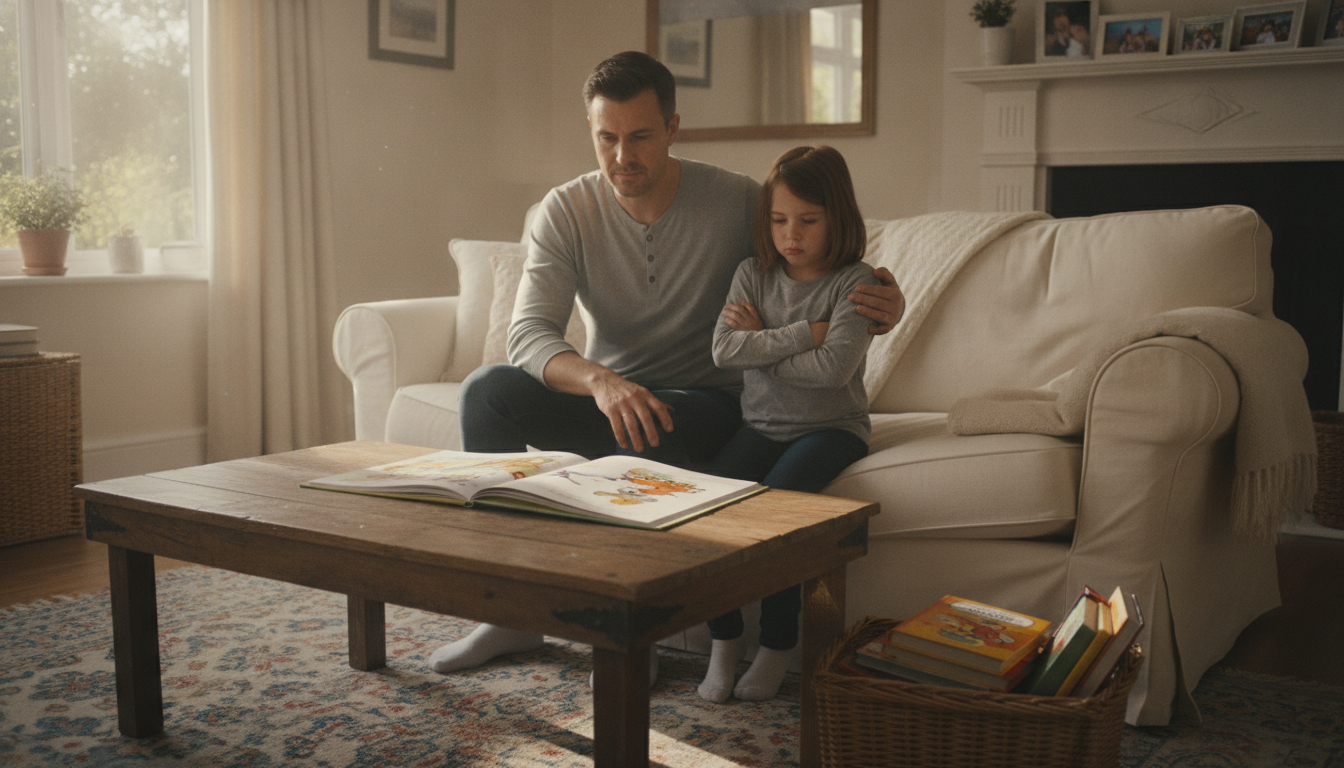
You know your child is capable. Their teacher confirmed it. You've watched them decode restaurant menus, read captions on YouTube videos, and navigate video game instructions without blinking — all without being asked. And yet getting them to sit down with a book feels like negotiating a peace treaty in a foreign language.
That frustration is completely valid, and you are not alone. This is one of the most common conversations that happens in school libraries and at pickup lines across the country. Parents who clearly love their kids, who clearly care about their futures, who have tried everything they can think of — and are hitting a wall.
Reading reluctance is not a character flaw — in kids or in parents. It is a solvable problem, and the solution usually starts with changing the approach rather than changing the child.
The goal of this guide is not to shame your child or turn reading into a battle. It's to give you a realistic, practical toolkit — real titles, honest strategies, and a few things to stop doing — so you can lower the temperature at home and actually make some progress.
Why Kids Go Off Reading
A child who loved books at age five can completely lose interest by age eight or nine. This is extremely common, and it usually has a clear cause if you look for it.
School reading programs that tie books to tests, points, or level restrictions can drain the joy out of reading faster than almost anything else. When a child stops choosing and starts performing, the whole experience shifts. Reading becomes something that gets graded, not something that gets enjoyed.
Then there's the competition. When kids discover gaming, streaming, and social media, books have to compete for attention — and a book that feels like homework will always lose to something that feels like fun. That's not a moral failing; it's basic human nature.
Sometimes the cause is a single bad experience: one book that was too hard, too boring, or assigned at exactly the wrong moment. Kids are good at generalizing. One awful reading experience can quietly become "I don't like reading" — a label they then carry around and defend.
Peer culture matters enormously at certain ages too. If none of their friends are talking about books, reading can start to feel solitary in a way that feels like a social cost. Kids want to belong. If belonging means screens, that's where they'll go.
The Most Important Distinction: Reluctant vs. Struggling
Before we go any further, this distinction matters more than any book recommendation on this page.
Know Which Child You Have
- A reluctant reader is a child who can decode words accurately and fluently but is choosing not to engage with books. The skill is there; the motivation is not. That is what this guide addresses.
- A struggling reader is a child who finds the physical act of reading genuinely effortful — sounding out words is slow and tiring, they lose their place frequently, they avoid reading because it is hard work, not just unpleasant.
If your child squints, tilts their head, skips lines, reads the same line twice, complains of headaches after reading, or gets exhausted after just a few minutes with a book, that is a different situation entirely — and a better book list is not the answer.
If the problem is simply that they run out of steam rather than that reading is uncomfortable, that is stamina, not motivation, and it is built differently. Our guide to building reading stamina walks through realistic starting minutes by age and how to grow them without a fight.
If reading itself feels physically or cognitively effortful for your child, the right first step is to request an evaluation through your child's school or to speak with your pediatrician. A specialist can assess for vision issues, dyslexia, or other processing differences that respond well to targeted support. This guide cannot help with that — and trying to push through with more books may make things worse.
This guide is written for the child who reads the cereal box at breakfast without being asked but rolls their eyes when you suggest picking up a chapter book. If that's your kid, keep reading.
| What you see at home | Points to a reluctant reader | Points to a struggling reader |
|---|---|---|
| Reading accuracy | Reads fluently when it is something they picked — menus, captions, game text | Slow and halting, sounds out words you know they know |
| Stamina | Could go a long time on something they chose | Tires within a few minutes; may complain of headaches |
| What they avoid | Books specifically. Text on a screen is fine | All text, including screens, signs and packaging |
| Physical signs | None | Squints, tilts head, skips or re-reads lines, loses their place |
| What helps | Everything in this guide | An evaluation through school or a conversation with your pediatrician |
This table is for orientation, not diagnosis. If anything in the right-hand column sounds like your child, start with an evaluation rather than a book list.
What Actually Works
Let Them Choose
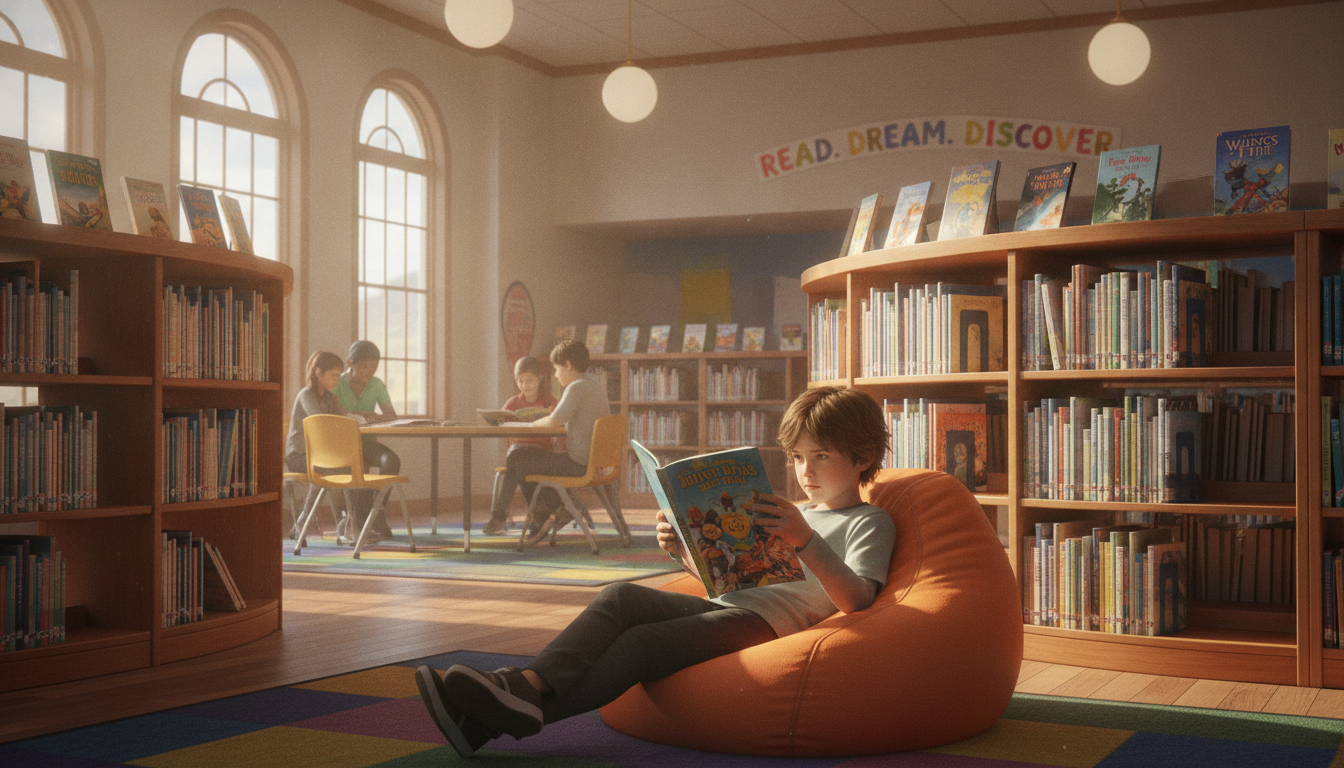
A book a child picks off a shelf themselves — even if you think it's beneath them or silly — will get read. A book you hand them because it's "good for them" probably won't. Step back and let them browse. Take them to a library or bookstore and give them genuine freedom. Resist the urge to steer.
Graphic Novels Count as Reading. Full Stop.
The visual-verbal integration required to read a graphic novel is real literacy work. A child reading a graphic novel is tracking narrative, interpreting dialogue, reading facial expressions, and following sequential logic. Dismissing it because there are pictures is one of the fastest ways to lose a reluctant reader's trust — and one of the most common mistakes well-meaning adults make.
Series Are Your Best Friend
When a child finishes a book and knows there are seven more waiting with the same characters, the activation energy to start the next one is almost zero. A series removes the dreaded "now what?" moment that stops so many reluctant readers cold. Finding one series your child connects with is worth more than finding fifty individual titles.
Nonfiction and Record Books Count Too
A child who will happily read a page about the world's largest spider or the fastest land animal is reading. It all counts, and it all builds the habit and the vocabulary. Don't gatekeep the format.
Audiobooks Are Reading
Listening to a well-narrated book builds vocabulary, comprehension, and a love of story. If your child will listen but not read, start there and don't apologize for it. The goal is a relationship with stories — and audiobooks build that relationship just as genuinely as print.
Read Aloud to Them
Read aloud to your child at a level above what they'd choose themselves. Hearing a great story read well reminds kids that books can be exciting — and it keeps your relationship with books warm and collaborative rather than adversarial. This works at every age, including middle school. Don't stop just because they got older.
Shorten the Ask
Ten minutes a night is a win. You are not trying to create a scholar overnight; you are trying to rebuild a habit. Start small and let it grow on its own. A child who reads for ten minutes every night is reading more than a child who reads for an hour on Sunday and nothing the rest of the week.
The Right Books by Type: Only Titles That Deliver
These are the titles that actually work in practice — not books that sound impressive, but books that reluctant readers actually finish.
For Kids Who Need Laughs and Low Stakes
Dog Man and Captain Underpants by Dav Pilkey were practically engineered for reluctant readers — short chapters, comic panels, and humor that kids feel is genuinely theirs, not handed down from adults. Diary of a Wimpy Kid by Jeff Kinney works the same way for slightly older kids who want to feel seen. These books have brought more non-readers back to books than almost anything else on this list.
For Kids Who Love Animals, Action, or Gross Facts
The Bad Guys by Aaron Blabey is fast-paced, funny, and genuinely hard to put down. Who Would Win? by Jerry Pallotta scratches the nonfiction itch with head-to-head animal matchups that kids will argue about with their friends. Guinness World Records is worth keeping on the coffee table — it is not a novel, and that is exactly why some kids will read it cover to cover.
For Early or Younger Reluctant Readers
Fly Guy by Tedd Arnold and Elephant and Piggie by Mo Willems give a genuine sense of accomplishment — short, funny, and satisfying in a single sitting. Narwhal and Jelly by Ben Clanton and Press Here by Hervé Tullet are also excellent low-pressure entry points that feel more like play than reading. If you have a younger child just beginning to build the reading habit, our roundup of books for 4-year-olds is a helpful companion resource.
For Kids Who Want to Feel Smart and Funny at the Same Time
Big Nate by Lincoln Peirce and InvestiGators by John Patrick Green both deliver humor with enough plot to keep pages turning. Smile by Raina Telgemeier is a graphic memoir that resonates especially with kids navigating middle school feelings — many reluctant readers finish it in one afternoon, then immediately ask what else Raina Telgemeier has written.
For Kids Who Want Adventure or History
Magic Tree House by Mary Pope Osborne is a reliable gateway series — short chapters, real history, and enough adventure to keep a hesitant reader going. Nathan Hale's Hazardous Tales turns American history into graphic novel drama that kids actually want to read. The Last Kids on Earth by Max Brallier mixes zombies, humor, and a surprisingly relatable hero into one of the most bingeable middle-grade series around.
| If your child… | Start with | Format | Roughly |
|---|---|---|---|
| Wants to laugh and not think too hard | Dog Man / Captain Underpants — Dav Pilkey | Graphic novel | Ages 7–10 |
| Wants fast and hard to put down | The Bad Guys — Aaron Blabey | Graphic novel | Ages 7–10 |
| Is older and wants to feel seen | Diary of a Wimpy Kid — Jeff Kinney | Illustrated novel | Ages 8–12 |
| Loves animals, facts or a good argument | Who Would Win? — Jerry Pallotta; Guinness World Records | Nonfiction | Ages 7–11 |
| Is just rebuilding the habit | Fly Guy — Tedd Arnold; Elephant and Piggie — Mo Willems | Early reader | Ages 4–8 |
| Wants it to feel like play, not reading | Press Here — Hervé Tullet; Narwhal and Jelly — Ben Clanton | Picture / early graphic | Ages 4–9 |
| Wants humor with an actual plot | Big Nate — Lincoln Peirce; InvestiGators — John Patrick Green | Graphic / illustrated | Ages 7–11 |
| Is navigating middle-school feelings | Smile — Raina Telgemeier | Graphic memoir | Ages 9–13 |
| Will read if there is an adventure | Magic Tree House — Mary Pope Osborne | Chapter book | Ages 6–9 |
| Wants zombies and jokes | The Last Kids on Earth — Max Brallier | Illustrated novel | Ages 8–12 |
| Likes history but not textbooks | Nathan Hale’s Hazardous Tales | Graphic nonfiction | Ages 8–13 |
Age bands are rough publisher guidance, not rules. A nine-year-old who wants Elephant and Piggie is still reading.
What NOT to Do
Some of the most well-intentioned strategies backfire badly. Here are the ones worth stopping.
Don't use bribes tied to page counts or minutes. Extrinsic rewards teach kids to read for the reward. The moment the reward stops, so does the reading. You want them to find the internal reward — the story itself. Bribes can get you short-term compliance and long-term aversion.
Don't turn reading logs into punishment. If your child associates sitting down with a book with filling out a form or being quizzed afterward, they will dread both the book and the form. Reading logs have their place in school; at home, they often do more harm than good.
Don't ban graphic novels or "easy" books. The goal right now is to rebuild the habit and the pleasure. You can raise the bar later. Snatching away the one thing they'll willingly read is counterproductive — and it sends a message that their taste doesn't matter.
Don't force level-appropriate books. Reading level assessments are tools for teachers in classrooms, not rules for home reading. A child reading below their assessed level by choice is still reading, and that matters far more than the number on a label.
Don't make every reading session a teaching moment. Stopping to quiz them on vocabulary or ask comprehension questions turns pleasure reading into a test. Save that energy for homework time. Right now, the only goal is that they finish the page wanting to read the next one.
A Word on Personalization — One Hook Among Many
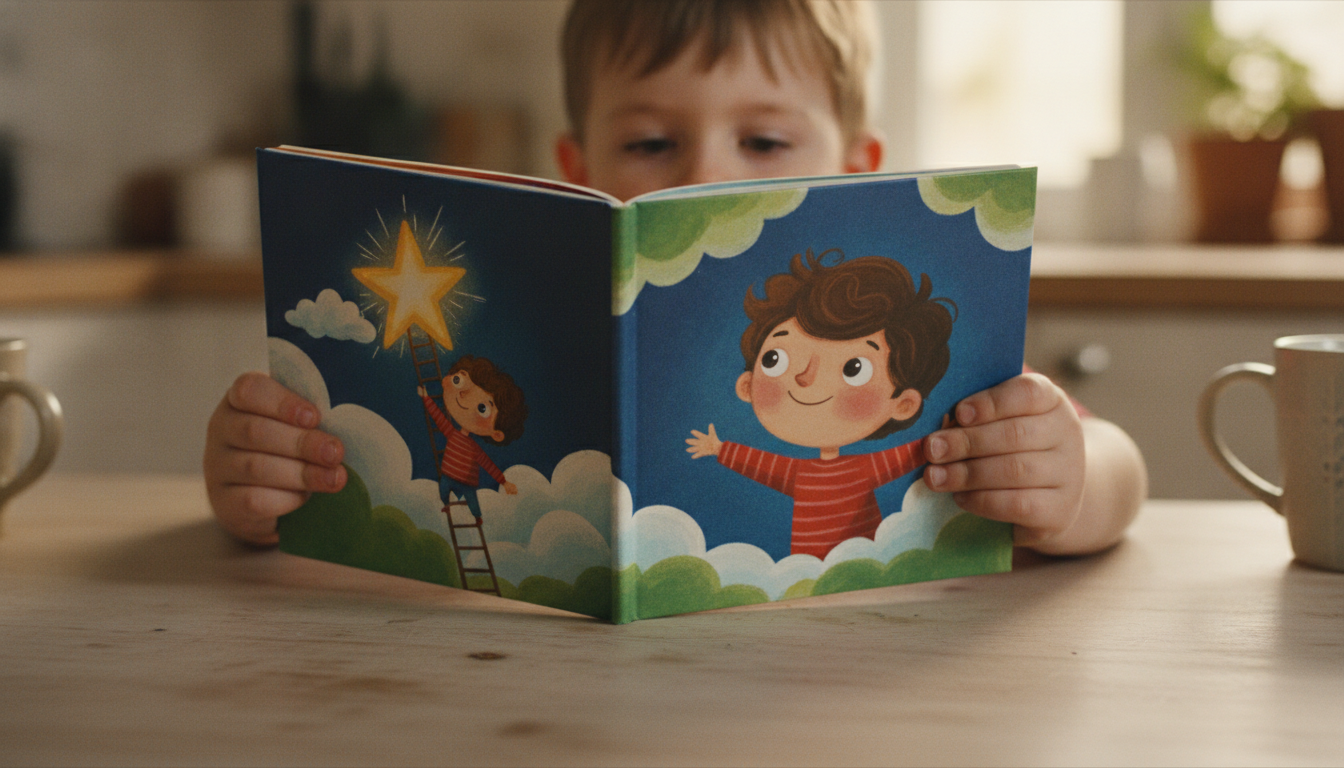
One option worth knowing about is a personalized storybook — a story written with your child as the main character, using their name and sometimes details about their life. For some kids, especially younger ones or those who feel invisible in the books they encounter, this can be a genuine spark.
It's worth being honest about what personalization can and can't do. Seeing their name in a book does not fix a book the child finds boring. If the story itself doesn't hold their attention, the name on the cover won't save it. Personalization is a hook, not a guarantee — and treating it as a magic solution sets everyone up for disappointment.
That said, for the right child at the right moment — particularly a child who says "books aren't about people like me" — a well-made personalized story can open a door. You can read more about how this works in our guide to personalized storybooks for kids and fostering a love of reading.
Think of personalization as one tool in a full toolkit, not a silver bullet. Pair it with the other strategies in this guide — letting them choose, keeping sessions short, validating graphic novels — and you're more likely to see real change than if you rely on it alone.
If your child loves making up their own stories as much as (or more than) reading them, that's a strength worth nurturing too. Our guide on how to encourage storytelling in kids has practical ideas for channeling that creative energy into something they'll actually enjoy.
Setting Realistic Expectations
Rebuilding a reading habit takes weeks, not days. If your child was off books for a year, one great book recommendation is unlikely to flip a switch overnight — but it can start a slow, steady turn in the right direction. That is worth something.
Your job right now is not to raise a child who loves every book. Your job is to keep the door open, reduce the pressure, and make sure books remain a normal, low-stakes part of your home rather than a battleground. That is a more achievable goal — and it's the one that actually leads somewhere.
What Counts as a Win
- A kid who finishes one Dog Man book has read a book.
- A kid who listens to a Magic Tree House audiobook on a car trip has spent time with a story.
- A kid who reads the entire Guinness World Records entry on the longest fingernails has read nonfiction.
- All of it counts. All of it builds the habit.
Plenty of kids who go through a reluctant phase do come out the other side — especially when the adults around them stay warm, stay patient, and resist the urge to turn every book into a lesson. Your consistency and your calm matter more than any single title on this list.
If you're also thinking about building a broader reading environment at home — not just finding the right book but creating the right conditions — our guide on how to enhance children's literacy covers the bigger picture in practical, jargon-free terms.
Ready to Find the Right Book for Your Child?
Every reluctant reader is different. Start with one title from this list, keep the pressure low, and give it time. The right book at the right moment can change everything — and you don't have to figure it out alone.
3 Comments
Comments are closed.