Eight Nights, Eight Stories: Your Hanukkah Read-Aloud Guide for 2026
From the first candle on Friday, December 4 through the eighth night on Friday, December 11, make every evening of Hanukkah 2026 a little more magical with the perfect book in your lap and a child at your side.
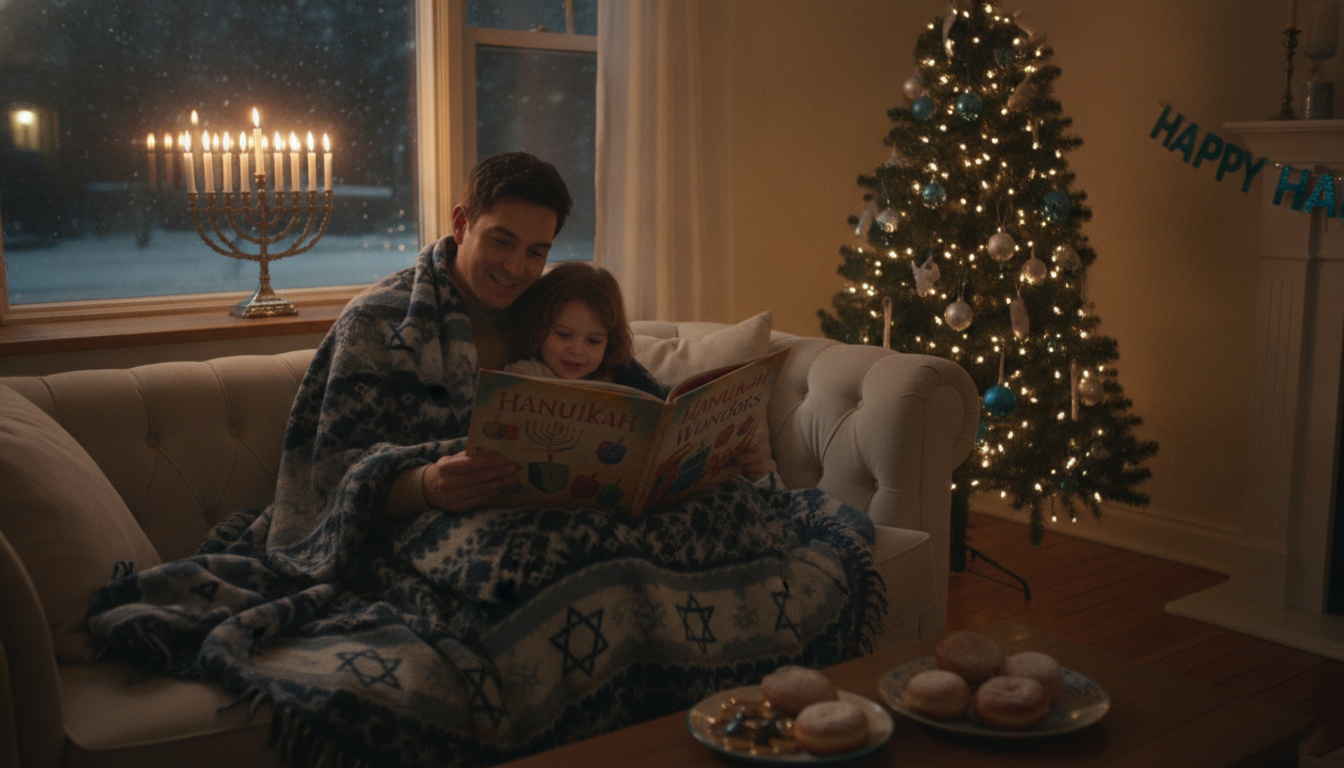
Why Books Belong at the Hanukkah Table
Hanukkah is, at its core, a story. The miracle of the oil that burned for eight days, the courage of the Maccabees who refused to abandon their faith, the resilience of a community determined to reclaim what was theirs — all of it is narrative. Which means that of all the holiday rituals your family might adopt, reaching for a picture book each night is perhaps the most natural one of all. For the rest of the rituals around the book, from the blessings and gelt to the modern themed-nights idea, see our family guide to Hanukkah traditions.
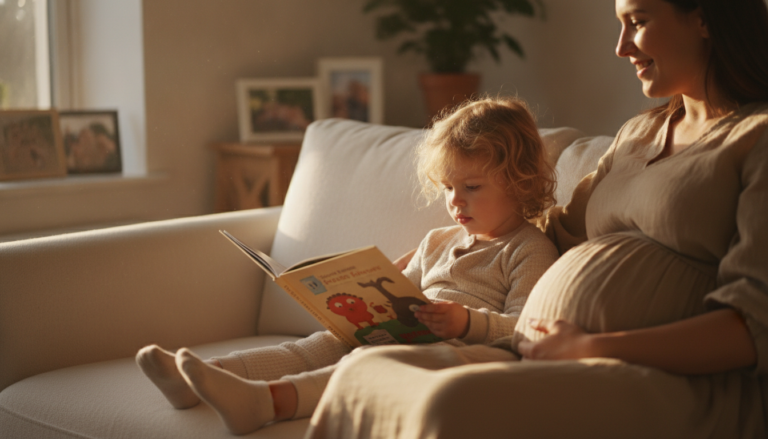
Reading aloud gives families a natural pause between the candle lighting and the latkes. It is a breath in the middle of the bustle — a moment when the phone goes face-down, the television stays off, and the only thing that matters is the voice reading and the small body leaning in to listen. Children who grow up with that ritual carry it with them. Ask any adult about their most vivid holiday memories and a surprising number involve not a gift, but a moment of togetherness — a lap, a blanket, a voice.
Books reinforce the values at the heart of Hanukkah — bravery, hope, light in the darkness — in language children can absorb and revisit long after the candles have burned down.
There is also a practical magic to the eight-night structure. Unlike a single Christmas Eve story or a one-time Diwali tale, Hanukkah gives you eight separate opportunities to explore different facets of the holiday through different books. You can move from the historical to the humorous, from the solemn to the silly, from the Ashkenazi grandmother's kitchen to a Sephardic family's table in Morocco. That variety — one new story each night — builds anticipation in a way that feels genuinely festive.
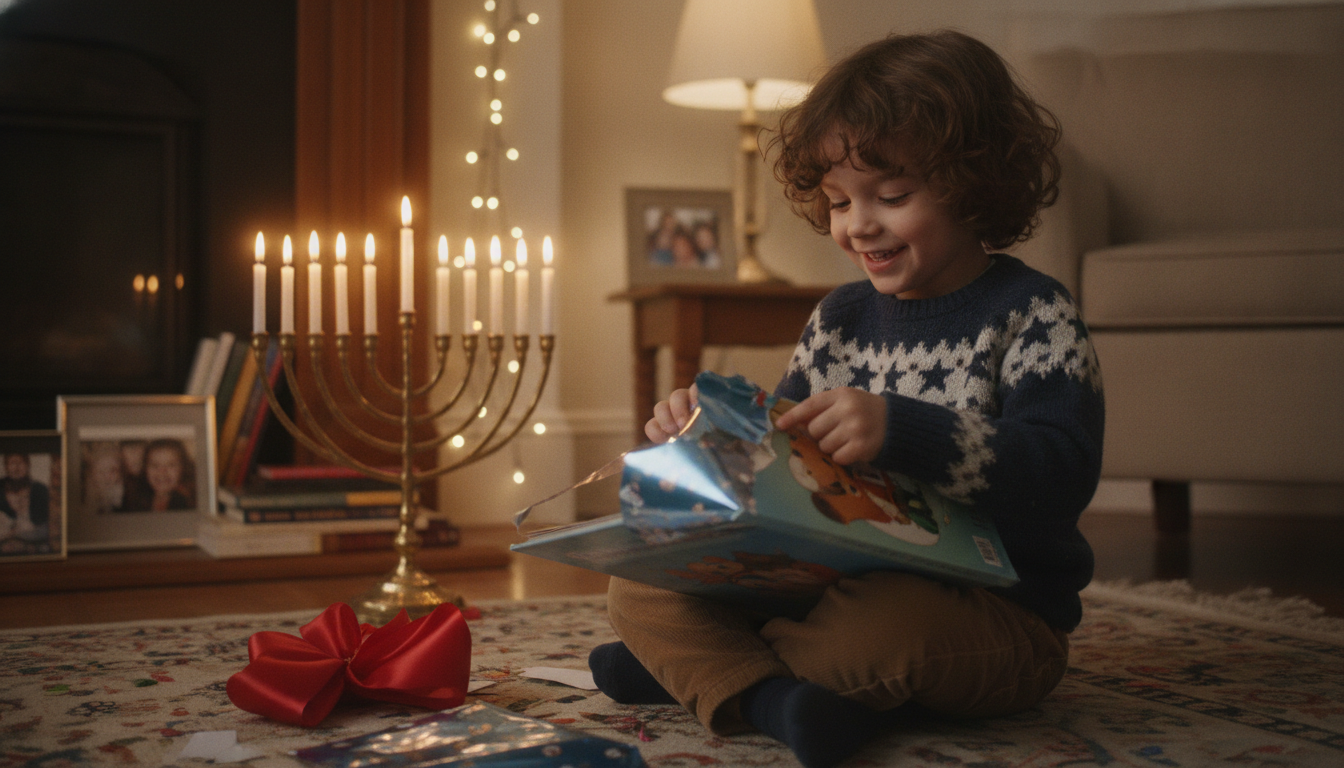
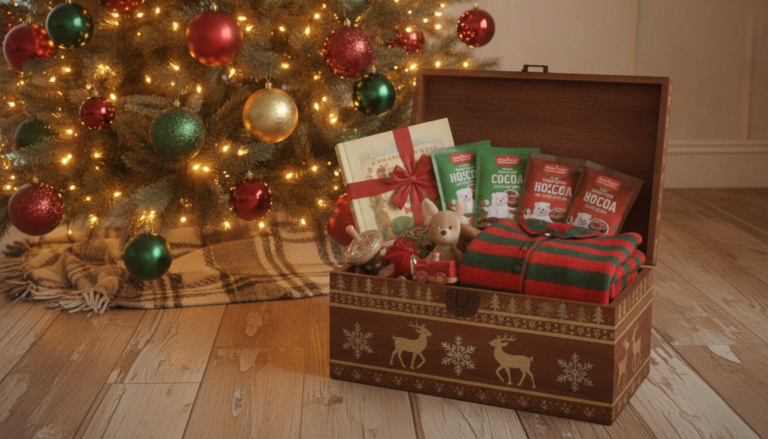
One tradition worth trying: wrap each book in blue and silver paper and stack them in a basket near the menorah. Let children unwrap their "book gift" before bed. This simple ritual transforms reading from a quiet habit into a Hanukkah celebration in its own right — and a growing Hanukkah book collection becomes one of the most cherished family heirlooms you can build, dog-eared pages and all. If you love this kind of intentional, book-centered holiday tradition, you might also enjoy Jólabókaflóð, Iceland's Christmas Eve book flood tradition, which is built on exactly the same beautiful idea.
Matching Hanukkah Books to Your Child's Age: A Quick-Reference Guide
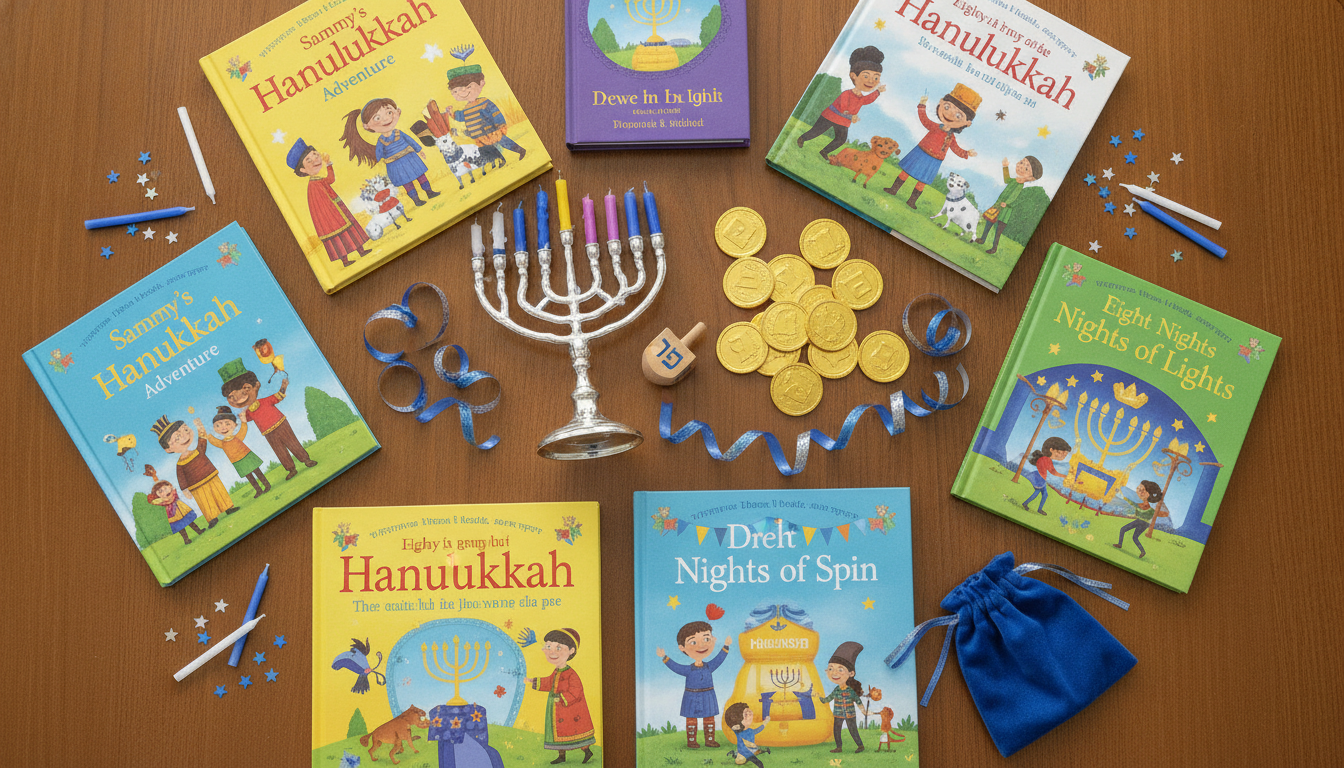
Not all Hanukkah books are created equal — and the right book for a two-year-old is a very different object from the right book for a seven-year-old. The table below gives you a fast reference for matching your child's developmental stage to the kinds of Hanukkah picture books that will genuinely hold their attention and stretch their understanding.
| Age Range | Book Type | What to Look For |
|---|---|---|
| 0–2 (Babies & Young Toddlers) |
Board books | High-contrast illustrations, single words or short phrases, lift-the-flap or tactile elements; introduces menorah, dreidel, and "light" in a concrete, sensory way |
| 2–4 (Older Toddlers & Preschoolers) |
Rhyming picture books | Clear, repetitive structure; bright expressive artwork; a single relatable event (making latkes with Grandma, spinning a dreidel for the first time) |
| 4–6 (Kindergarten & Early Grade 1) |
Narrative picture books | Simple story arc with a beginning, middle, and end; humor balanced with heart; one main character with a small problem to solve; one or two Hebrew or Yiddish words with context clues |
| 6–8 (Early Readers) |
Longer picture books & easy readers | Age-appropriate historical story of Hanukkah; diverse Jewish families and communities; invites conversation about identity and what the holiday means beyond gifts |
| 8 and up (Confident Readers) |
Illustrated chapter books & anthologies | Jewish folktales, historical fiction, stories exploring identity and belonging; nuanced treatment of the meaning of miracles; rich, layered illustration or full prose chapters |
Keep in mind that these are guidelines, not rules. A confident four-year-old who loves a good story may be ready for a six-year-old's book, and a seven-year-old who wants to snuggle up with the board book they loved at two is doing something completely healthy. Follow your child, not the age label on the back cover.
Your Eight-Night Read-Aloud Plan for Hanukkah 2026
Hanukkah 2026 begins at sundown on Friday, December 4 and concludes on Saturday, December 12. Here is a thematic read-aloud plan for all eight nights — use it as a flexible framework rather than a rigid prescription, and swap in whatever titles your library has available. One scheduling note for 2026: both the first night and the eighth night fall on a Friday, so families who observe Shabbat will be lighting the Hanukkah candles before the Shabbat candles on those two evenings — worth planning your read-aloud a little earlier in the day on December 4 and December 11.
Night 1 — Friday, December 4
The Origin Story Night
Open the holiday with a classic retelling of the Hanukkah story — the miracle of the oil, the rededication of the Temple, the bravery of the Maccabees — told in vivid, accessible language. This sets the foundation for all eight nights and gives even the youngest children a framework for everything that follows. Look for a title that uses warm, expressive illustration to bring the ancient story into a modern living room.
Night 2 — Saturday, December 5
The Family Traditions Night
Saturday night often means extended family — grandparents, cousins, the full table. Choose a cozy, sensory-rich book about family Hanukkah traditions, one that features food smells, warm kitchens, and beloved grandparent characters. These books mirror the energy in the room and help children feel that what they are living right now is the stuff of stories worth telling.
Night 3 — Sunday, December 6
The Dreidel Night
Pick a funny, rhyming dreidel book — or a story in which a child learns the rules of the game for the very first time. Then pair the reading with an actual dreidel spin before bed. The story leaps off the page when children can immediately act out what they just heard. Gelt (chocolate coins) distributed by the handful make this the night everyone votes their favorite.
Night 4 — Monday, December 7
The Every-Age Night
Midweek is the perfect night to honor every child in the family at once. Read a shorter board book for the youngest sibling and a companion easy-reader for older kids. Letting each child have a book pitched exactly at their level — and watching the older child "help" the younger one with their board book — is one of the sweetest Hanukkah moments you can engineer.
Night 5 — Tuesday, December 8
The Food Night
Celebrate the culinary heart of Hanukkah with a picture book centered on latkes or sufganiyot (jelly doughnuts). Read it before or while you cook together — let the story and the sizzle of the pan happen simultaneously. Books about food-centered holidays have a particular power: the sensory experience of cooking anchors the story in the body as well as the mind, and children remember both.
Night 6 — Wednesday, December 9
The Identity Night
Choose a book that centers a Jewish child navigating the December holiday season at school or in a diverse neighborhood — perhaps celebrating Hanukkah while friends celebrate Christmas, or explaining the menorah to a curious classmate. These stories validate children's real experiences and open up rich, unhurried conversations about identity, belonging, and the joy of being different in a beautiful way.
Night 7 — Thursday, December 10
The Wide World Night
The penultimate night is perfect for a longer, more adventurous story — a Jewish folktale, a historical fiction picture book, or a story rooted in a cultural tradition different from your own family's background. Sephardic, Mizrahi, Ethiopian, or Latino Jewish stories broaden the world of the holiday and show children that the Jewish people are beautifully, gloriously diverse.
Night 8 — Friday, December 11
The Last Candle Night
Save the most beloved, emotionally resonant book in your collection for this night. Choose something that captures the bittersweet, luminous feeling of the final candle burning down — a story that leaves every person in the room feeling warm, seen, and full of light. Let the reading end in silence for a moment before anyone speaks. That pause is the whole point.
Eight Verified Titles to Anchor the Plan
The plan above is deliberately theme-first, because library availability varies enormously by branch. If you would rather start from a concrete list, these are widely-held, in-print picture books mapped to the same eight themes. Author and illustrator credits below were checked against publisher and library listings — holiday book lists are notoriously prone to mangled titles, so verify anything you order from a third-party list.
| Night | Title | Why it fits |
|---|---|---|
| 1 — Origin story | The Story of Hanukkah David A. Adler, illus. Jill Weber | A straight, clear retelling of the Maccabees and the oil, pitched at picture-book length |
| 2 — Family traditions | All-of-a-Kind Family Hanukkah Emily Jenkins, illus. Paul O. Zelinsky | A crowded, warm family house on the first night — the exact energy of a full holiday table |
| 3 — Dreidel | Your library's dreidel shelf | Dreidel books turn over constantly and vary by branch; this is the one night to just take what is on the shelf and spin afterward |
| 4 — Every age at once | Latke, the Lucky Dog Ellen Fischer, illus. Tiphanie Beeke | A shelter dog adopted at Hanukkah — short enough for a toddler, funny enough for a six-year-old |
| 5 — Food | Hanukkah Bear Eric A. Kimmel, illus. Mike Wohnoutka | Latkes drive the entire plot; read it while the pan is going |
| 6 — Identity and belonging | The Ninth Night of Hanukkah Erica S. Perl, illus. Shahar Kober | A family new to a building, helped by neighbors — opens the conversation about being new or different |
| 7 — The wider world | Maccabee!: The Story of Hanukkah Tilda Balsley, illus. David Harrington | Rousing rhyming text; the loudest, most performable book on this list |
| 8 — The last candle | Hershel and the Hanukkah Goblins Eric A. Kimmel, illus. Trina Schart Hyman | A Caldecott Honor folktale and the one most families come back to year after year — save it for last |
💡 Quick Planning Tip
Reserve your eight Hanukkah books at the public library by mid-November at the latest — holiday titles go fast. Make a list of your first and second choices for each night so you have backup options ready. If you are also planning a year-round family reading habit, Hanukkah is a wonderful anchor point to build around.
Reading Aloud with Toddlers vs. Early Readers: What Actually Works
The mechanics of a successful read-aloud look very different depending on whether your child is two or seven. Getting this right is less about the book you choose and more about how you hold the experience.
With Toddlers (Ages 1–3)
Abandon the idea of reading every word on the page. With very young children, the book is really just a prop for shared attention. Point to pictures and name what you see. Make the sound of the sizzling latke. Imitate the wobble of a spinning dreidel. Follow your child's gaze rather than the text — if they are fixated on the blue of the menorah flame, spend thirty seconds talking about blue things. The goal is shared joy and connection, not comprehension of the full narrative.
Toddlers also benefit enormously from repetition. Do not hesitate to read the same Hanukkah board book three nights in a row — or every night of the holiday. Each re-reading deepens familiarity, builds vocabulary, and makes a child feel competent and secure as they begin to "read along" from memory. That moment when a two-year-old finishes your sentence — "Spin, little dreidel, spin, spin, ___!" — is one of the small miracles of early childhood.
For more on how to make the most of picture book time with very young children, the research-backed technique of dialogic reading is worth exploring — it transforms any picture book into a genuine conversation.
With Early Readers (Ages 5–7)
Early readers are ready to be co-participants in the story rather than passive listeners. Invite them to read alternating pages with you. Ask them to predict what will happen next before you turn the page. Challenge them to find all the Hebrew words on a spread before you read it aloud together. These small participatory games keep engagement high and quietly build decoding confidence at the same time.
Pause at emotionally charged moments and ask open-ended questions: "How do you think the Maccabees felt when they realized they only had enough oil for one night?" or "If you were that child, what would you have done?" These micro-conversations — lasting thirty seconds or three minutes, depending on the child — are where the deepest learning happens and where the most meaningful holiday memories are made.
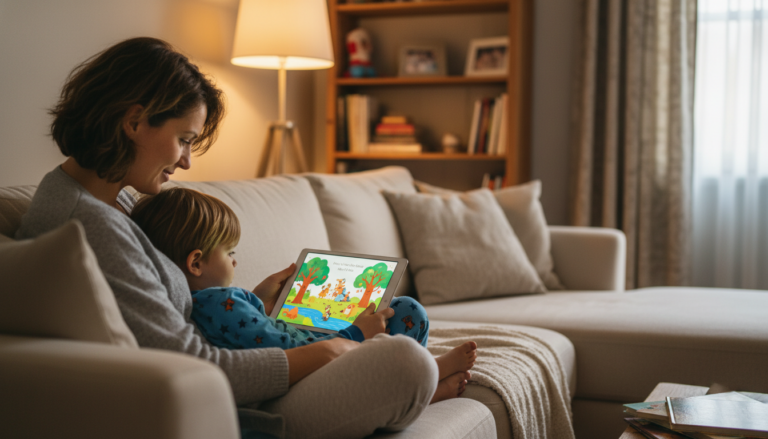
Regardless of age, keep the read-aloud atmosphere relaxed and screen-free. Dim the overhead lights, let the menorah provide the ambiance, and resist the urge to check your phone. Twenty minutes of undivided reading together is one of the greatest gifts you can give a child during the holiday season.
If your early reader is starting to resist read-alouds in favor of reading independently — a wonderful sign — try reading the first half of a longer Hanukkah story aloud together and then letting them finish it on their own. This bridges the gap between shared reading and independent reading in a way that feels like a privilege rather than an assignment. Building that independent reading habit is something we explore in depth in our guide to how to build reading stamina in children.
Tips for Building Your Family's Hanukkah Book Collection
A Hanukkah book collection is not something you build in a single year. The most beloved family collections grow gradually, one or two titles per holiday season, until by the time your children are teenagers there is a basket of twenty books that each carry a specific memory — the year the dreidel book made everyone laugh until they cried, the year the last-night book made Mom cry for a different reason entirely.
- Start small and intentional. Choose two or three titles per year that genuinely reflect your family's values, humor, and cultural background. Resist the urge to buy eight books at once — curated is better than comprehensive.
- Visit your library in mid-November. Before the holiday rush hits, reserve Hanukkah titles so you can preview books before purchasing. This also ensures access to a wide range even on a tight budget — your library's collection is almost certainly larger than any single bookstore's holiday shelf.
- Prioritize books by Jewish authors and illustrators. These titles often carry an authenticity of detail — the specific smell of a grandmother's kitchen, the exact way a dreidel wobbles before it falls — that makes the stories feel genuinely lived-in rather than commercially produced for a seasonal market.
- Include at least one book each season from a different Jewish cultural tradition. Sephardic, Ethiopian, Yemenite, and Latino Jewish stories show children the beautiful breadth of Jewish identity worldwide. The Association of Jewish Libraries publishes annual award lists for outstanding Jewish children's literature and is an excellent starting point.
- Wrap the books in blue and silver paper. Stack them in a basket near the menorah so children can unwrap one each night. This ritual elevates the book from a reading assignment to a true Hanukkah gift — and makes the act of opening a book feel as festive as opening any other present under the holiday lights.
If you are looking for a gift that goes beyond a single season, a personalized book featuring your child as the main character makes an extraordinary addition to any Hanukkah book basket — it is the kind of gift that gets re-read year after year.
Frequently Asked Questions About Hanukkah Books for Kids
When should I start reading Hanukkah books with my child?
You can introduce simple board books about light and candles from infancy. Even babies benefit from the rhythm of your voice and the warmth of the shared experience, and starting early builds a lifelong association between reading and the holiday. There is no such thing as too young to be read to.
Are there Hanukkah books available in both English and Hebrew or Yiddish?
Yes — many contemporary publishers offer bilingual editions, and a growing number of picture books incorporate Hebrew blessings, Yiddish expressions, or both, with helpful pronunciation guides and glossaries for families who are still learning. These bilingual books are a wonderful way to introduce children to the sounds and rhythms of Hebrew or Yiddish in a low-pressure, joyful context.
What if my child only wants to read the same book every single night?
That is completely normal and developmentally healthy, especially for toddlers and preschoolers. Repetition is how young children internalize language and story structure. Follow their lead and trust that the love of reading you are nurturing matters far more than variety. The eight-night plan is a guide, not a mandate — if your two-year-old wants the latke book every night, the latke book it is.
How do I find Hanukkah books that reflect our specific family background?
Search for books by authors who share your heritage, ask your synagogue librarian or Jewish community center for recommendations, and look for curated lists from the Association of Jewish Libraries, which publishes annual Sydney Taylor Book Award lists for outstanding Jewish children's literature. Your local independent bookstore's children's buyer is also often a goldmine of specific, thoughtful recommendations.
Can Hanukkah books be enjoyed by children from non-Jewish families?
Absolutely. Stories about light, courage, family, and belonging are universal, and reading Hanukkah books with children of any background is a wonderful way to build cultural literacy, empathy, and an appreciation for the diversity of human celebration. Just as our guide to Diwali stories for kids opens the Festival of Lights to all families, Hanukkah books welcome every reader to the menorah's glow.
Where can I find Hanukkah books if my local bookstore has a limited selection?
Your public library is the first stop — request titles through interlibrary loan if your branch doesn't carry them. Online retailers that specialize in Jewish books, as well as the Sydney Taylor Book Award website, maintain curated lists updated each year. For families who want to go further, independent Jewish booksellers often stock titles that never make it to big-box stores.
Conclusion: The Light That Lasts
Hanukkah lasts eight nights — but the stories you read during those eight nights have a way of lasting much longer. The child who falls asleep on the seventh night still thinking about the Maccabees, or who wakes up on the morning of the eighth night already excited to unwrap the last blue-and-silver package, is building a relationship with books and with their heritage that will outlast any toy, any game, any gift that requires batteries.
The plan laid out here is a starting point. Adapt it freely. Swap books in and out based on what your library has available, what your children are obsessed with this year, and what feels right for your family's particular version of the holiday. The only non-negotiable is the act itself: a book, a child, a candle, and enough time to read without rushing.
✨ Your Eight-Night Checklist
- Reserve library books by mid-November
- Wrap books in blue and silver paper before December 4
- Stack the basket near the menorah so it's part of the ritual
- Keep screens away during read-aloud time
- Follow your child's lead — repetition is always okay
- Save your most beloved book for the final night
- Let the last candle and the last page be the ending you remember
If this guide has sparked your interest in building a richer year-round reading life with your children, our guide on how to inspire kids to read is a practical next step — full of strategies that work beyond the holiday season and into the everyday.
Make This Hanukkah the One They Remember
Print out your eight-night reading plan, head to the library, wrap those books in blue and silver, and let the glow of the menorah and the turn of a page do the rest. From the first candle on December 4 to the eighth on December 11, 2026 — happy reading, and happy Hanukkah.
Want one more book in the basket that no library has? You can make a personalized storybook with your own child as the main character, or try one of our free stories first.

4 Comments
Comments are closed.